
How Brake Maintenance Impacts Vehicle Safety
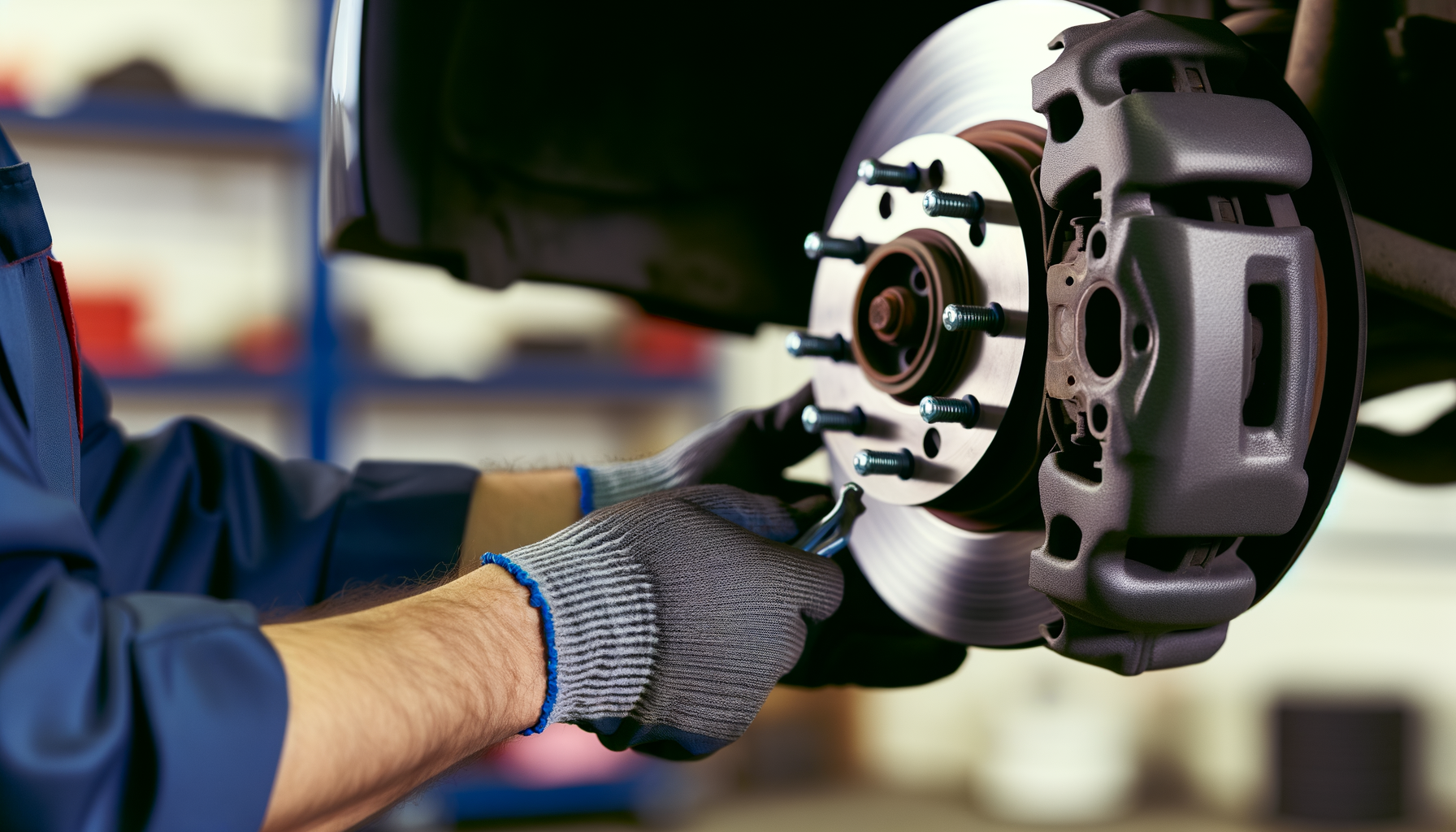
Proper brake maintenance directly impacts vehicle safety by ensuring optimal stopping power, preventing brake failure, and maintaining control during emergency situations. Regular brake inspections can reduce accident risk by up to 40% and prevent costly repairs.
Why Are Brakes Your Vehicle's Most Critical Safety System?
Your vehicle's braking system is the only thing standing between you and potential catastrophe when you need to stop suddenly. Unlike other car components that might cause inconvenience when they fail, brake failure can result in serious accidents, injuries, or death. The physics are simple: a 3,000-pound vehicle traveling at highway speeds carries enormous kinetic energy that must be safely dissipated through friction. When your brakes aren't functioning properly, that energy has nowhere to go except into whatever obstacle you encounter. Modern vehicles rely on complex hydraulic systems, brake pads, rotors, and electronic safety features that all must work in perfect harmony. A failure in any component can compromise your ability to stop effectively, making regular brake maintenance not just recommended, but absolutely essential for road safety.
What Are the Warning Signs of Brake Problems?
Recognizing brake problems early can prevent dangerous situations and costly repairs. Your vehicle communicates brake issues through several unmistakable signs:
- Squealing or grinding noises when braking, indicating worn brake pads or damaged rotors
- Vibration in the steering wheel or brake pedal during braking, suggesting warped rotors
- Soft or spongy brake pedal feel, which may indicate air in brake lines or brake fluid leaks
- Vehicle pulling to one side when braking, showing uneven brake wear or caliper problems
- Dashboard brake warning lights, including ABS or brake system alerts
- Burning smell after heavy braking, which could indicate overheated brakes or brake fluid leaks
- Longer stopping distances than usual, suggesting overall brake system degradation
How Does Neglected Brake Maintenance Affect Safety?
Neglecting brake maintenance creates a cascade of safety risks that compound over time. Worn brake pads don't just reduce stopping power—they damage rotors, leading to more expensive repairs and compromised braking performance. When brake fluid isn't changed regularly, moisture accumulates in the system, causing corrosion and reducing the fluid's boiling point. This can lead to brake fade during heavy use, where your brakes become less effective when you need them most. Statistics from the National Highway Traffic Safety Administration show that brake-related issues contribute to approximately 22% of all traffic accidents. Many of these accidents could be prevented with proper maintenance. Additionally, neglected brakes can cause uneven tire wear, affect your vehicle's alignment, and put extra stress on other safety systems like ABS and electronic stability control.
What Does Proper Brake Maintenance Include?
Comprehensive brake maintenance involves multiple components and regular inspections:
- Visual inspection of brake pads, rotors, and brake lines every 6 months or 12,000 miles
- Brake fluid replacement every 2-3 years or according to manufacturer specifications
- Brake pad replacement when thickness reaches 3mm or manufacturer's minimum specification
- Rotor resurfacing or replacement when they show wear, warping, or damage beyond specifications
- Brake line and hose inspection for leaks, cracks, or corrosion that could cause system failure
- Caliper service to ensure proper operation and prevent sticking or uneven brake application
- Electronic brake system diagnostics to verify ABS and stability control functions are working properly
How Often Should Brake Components Be Serviced?
Brake maintenance schedules vary based on driving conditions, vehicle type, and manufacturer recommendations, but general guidelines help ensure optimal safety. Brake pads typically need replacement every 25,000 to 70,000 miles, depending on your driving style and conditions. City driving with frequent stops wears brakes faster than highway driving. Brake fluid should be replaced every 2-3 years regardless of mileage, as it absorbs moisture over time and becomes less effective. Brake rotors may last 50,000 to 80,000 miles with proper care, but they should be inspected regularly for wear and warping. Many mechanics recommend brake inspections every time you have your oil changed, allowing early detection of problems. Severe driving conditions—such as mountainous terrain, frequent towing, or stop-and-go traffic—require more frequent brake service. Keep detailed maintenance records and follow your vehicle manufacturer's specific recommendations for optimal safety and performance.
Essential Brake Safety Checklist
Use this checklist to monitor your brake system's health:
- Check brake fluid level monthly and top off if needed
- Listen for unusual noises when braking
- Feel for vibration or pulsing in the brake pedal
- Notice any changes in stopping distance
- Schedule professional brake inspection every 12,000 miles
- Replace brake pads before they reach minimum thickness
- Address brake warning lights immediately
- Keep records of all brake maintenance and repairs
Why Is Professional Brake Service Important?
While some car maintenance can be DIY projects, brake work requires professional expertise and specialized tools. Brake systems involve high-pressure hydraulics, precise tolerances, and safety-critical components that must be installed correctly. Professional technicians have the equipment to properly bleed brake lines, measure rotor thickness accurately, and test brake system performance. They can also identify problems that aren't obvious to untrained eyes, such as internal brake fluid leaks or worn brake hardware. Modern vehicles often have complex electronic brake systems integrated with ABS, traction control, and stability management that require diagnostic equipment to service properly. Additionally, professional brake service typically comes with warranties and guarantees, providing peace of mind that the work was done correctly. The small additional cost of professional service is insignificant compared to the risks of improper brake repair, which could result in brake failure and serious accidents.
Brake maintenance isn't just about preventing breakdowns—it's about ensuring you can stop when someone's life depends on it. I've seen too many preventable accidents that could have been avoided with proper brake care.
Mike Rodriguez, ASE Certified Master Technician
How Do Driving Habits Affect Brake Longevity and Safety?
Your driving style directly impacts both brake longevity and safety performance. Aggressive driving with hard braking generates excessive heat that can cause brake fade, warp rotors, and accelerate brake pad wear. Conversely, smooth driving with gradual braking keeps brake components cooler and extends their life significantly. Anticipating stops and leaving adequate following distance allows for gentler braking, reducing wear and maintaining better control. Riding the brakes, especially on long downhill grades, can overheat the system and reduce braking effectiveness when you need it most. Using engine braking when possible—downshifting in manual transmissions or using lower gear settings in automatics—helps preserve your brakes during mountain driving. Regular highway driving actually helps keep brake rotors clean and prevents rust buildup that can occur with infrequent use. Understanding these relationships helps you drive in ways that maintain brake effectiveness while extending component life.
What Brake Upgrades Enhance Safety?
While proper maintenance is most important, certain brake upgrades can improve safety performance:
- High-performance brake pads with better heat dissipation and stopping power
- Upgraded brake fluid with higher boiling points for better performance under stress
- Stainless steel brake lines that don't expand under pressure like rubber lines
- Performance rotors with better heat management for consistent braking
- Brake cooling ducts for vehicles used in demanding conditions like mountain driving
Frequently Asked Questions
How long do brake pads typically last?
Brake pads typically last 25,000 to 70,000 miles depending on driving conditions and habits. City driving with frequent stops wears pads faster than highway driving.
Can I drive with squeaky brakes?
Squeaky brakes indicate worn pads or other issues that need immediate attention. While you may be able to drive short distances, continuing to drive risks brake failure and expensive rotor damage.
How much should brake repair cost?
Basic brake pad replacement typically costs $150-400 per axle, while full brake service including rotors can range from $300-800. Prices vary by vehicle type and location.
What happens if brake fluid isn't changed?
Old brake fluid absorbs moisture, leading to corrosion, reduced boiling point, and potential brake failure. It should be replaced every 2-3 years regardless of mileage.
Are expensive brake parts worth the cost?
Quality brake components often provide better performance, longer life, and improved safety. However, OEM-equivalent parts usually offer excellent value for most drivers' needs.
How can I tell if my rotors need replacement?
Rotors need replacement when they're warped (causing vibration), worn beyond minimum thickness, cracked, or have deep grooves that can't be resurfaced safely.
Find a Trusted Brake Specialist
Don't compromise on brake safety by choosing an unknown mechanic. Tools like Linked By Six help you discover which brake specialists your friends and colleagues already trust, connecting you with proven professionals before you even start searching.
Brake maintenance is fundamental to vehicle safety, affecting not just your ability to stop but your control in emergency situations. Regular inspections, timely repairs, and professional service ensure your braking system performs when lives depend on it. By understanding warning signs, following maintenance schedules, and choosing qualified technicians, you protect yourself, your passengers, and other road users. Remember that brake maintenance is an investment in safety—the cost of proper care is always less than the potential consequences of brake failure. Stay vigilant about brake health, address problems promptly, and never compromise on this critical safety system.