
Essential Home Maintenance Items Every Homeowner Must Track
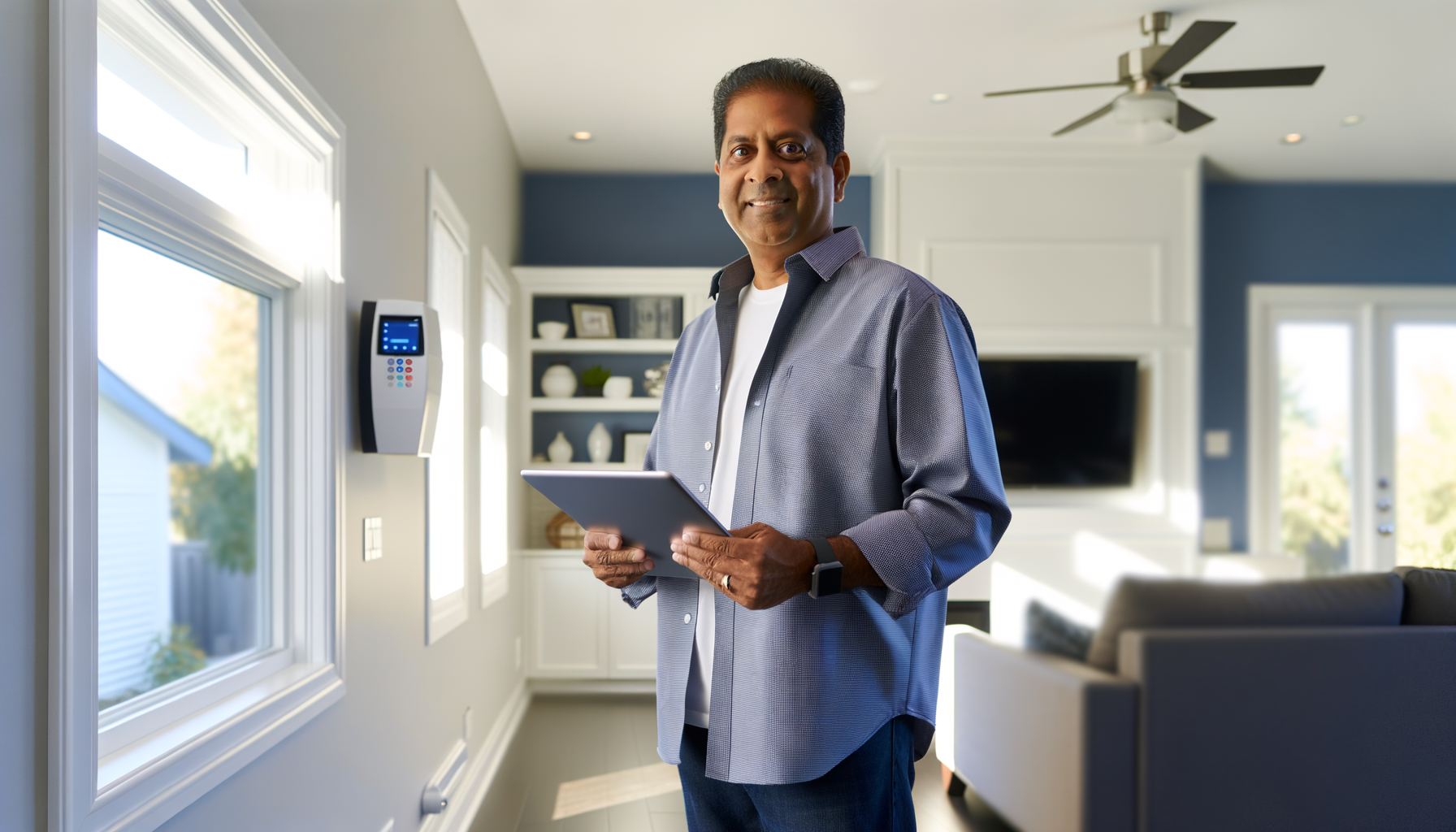
Homeowners should track HVAC maintenance, appliance warranties, roof inspections, plumbing checks, electrical systems, exterior maintenance, and major component replacement dates. Proper tracking prevents costly repairs, extends equipment life, and maintains home value through systematic preventive care and timely professional servicing.
Why Does Home Maintenance Tracking Matter?
Your home represents one of your largest investments, yet many homeowners operate reactively—waiting for systems to fail before taking action. Smart homeowners understand that systematic tracking transforms costly emergency repairs into manageable, planned expenses. When you monitor maintenance schedules, warranty periods, and system performance, you catch problems early when they're less expensive to fix. This proactive approach can save thousands of dollars annually while extending the life of major home systems. Beyond financial benefits, proper tracking ensures your family's safety and comfort by preventing unexpected system failures during extreme weather or critical times.
What HVAC Systems Require Regular Tracking?
Your heating and cooling systems are among your home's most expensive components, making them critical to track:
- Filter replacement dates (monthly to quarterly depending on system and household factors like pets or allergies)
- Annual professional tune-ups for both heating and cooling systems, ideally scheduled before peak seasons
- Ductwork cleaning every 3-5 years or when you notice reduced airflow and efficiency
- Thermostat calibration and smart thermostat software updates to maintain optimal performance
- Energy efficiency metrics to identify when systems are declining and approaching replacement time
How Do You Track Major Appliance Lifecycles?
Major appliances have predictable lifespans, and tracking their age helps you plan for replacements before emergency failures. Water heaters typically last 8-12 years, while refrigerators average 10-15 years. Document purchase dates, warranty periods, and maintenance schedules for each appliance. Keep records of service calls, as frequent repairs often signal approaching end-of-life. Track energy consumption patterns—rising utility bills despite similar usage often indicate declining efficiency. Create a replacement fund based on expected lifespans, setting aside money monthly so major appliance purchases don't strain your budget. This forward-thinking approach lets you research options and find deals rather than making rushed, expensive emergency purchases.
What Structural Elements Need Regular Monitoring?
Your home's structural integrity depends on monitoring these key components:
- Roof inspections every 2-3 years and after major storms to catch issues before they cause interior damage
- Gutter cleaning and inspection twice yearly to prevent water damage and foundation issues
- Foundation checks for cracks, settling, or moisture issues that could indicate serious structural problems
- Siding and exterior paint condition to protect against weather damage and maintain curb appeal
- Window and door seals to maintain energy efficiency and prevent moisture intrusion
- Deck and outdoor structure safety inspections to prevent accidents and maintain structural integrity
What Plumbing and Electrical Systems Should You Monitor?
Plumbing and electrical systems require different tracking approaches due to their hidden nature and safety implications. For plumbing, monitor water pressure changes, unusual sounds, slow drains, and water heater performance indicators. Track professional drain cleaning, water heater flushing, and pipe inspections. Document any leaks or water damage incidents, as patterns may indicate underlying issues. Electrical systems need professional inspections every 10-15 years in older homes, or when you notice flickering lights, frequent breaker trips, or outlets that don't work properly. Keep records of electrical work, panel upgrades, and GFCI testing. Both systems benefit from knowing the age and type of materials—older galvanized pipes and outdated electrical panels often need proactive replacement rather than reactive repairs.
Essential Maintenance Tracking Categories
- HVAC systems: filters, tune-ups, ductwork, and efficiency metrics
- Major appliances: purchase dates, warranties, service records, and replacement planning
- Roofing: inspection dates, repairs, gutter maintenance, and weather damage
- Plumbing: water heater maintenance, leak history, pipe age, and pressure monitoring
- Electrical: panel age, outlet functionality, professional inspection dates, and safety upgrades
- Exterior: siding condition, paint schedules, window seals, and weatherproofing
- Landscaping: irrigation systems, tree health, drainage, and seasonal maintenance
- Safety systems: smoke detectors, carbon monoxide detectors, and security equipment
How Often Should You Review Your Maintenance Records?
Effective maintenance tracking requires regular review and planning cycles. Conduct quarterly reviews to assess upcoming maintenance needs and budget for seasonal tasks. Annual reviews should evaluate system performance, update replacement timelines, and plan major projects. Use these reviews to identify patterns—are certain systems requiring frequent repairs that might indicate replacement time? Spring reviews focus on preparing for summer cooling loads and outdoor project season, while fall reviews prepare heating systems and weatherization. Monthly spot checks ensure you don't miss time-sensitive items like filter changes or seasonal preparation tasks. This systematic review process transforms maintenance from reactive scrambling into proactive planning, reducing stress and costs while maintaining your home's value and your family's comfort.
What Tools Help Streamline Maintenance Tracking?
Modern homeowners have numerous tools to simplify maintenance tracking beyond traditional paper calendars. Smartphone apps designed for home maintenance can send automated reminders, store photos and documents, and track expenses. Many smart home devices automatically monitor system performance and alert you to issues. Digital calendars with recurring events ensure you never miss seasonal tasks. Cloud storage keeps warranty documents, service records, and photos accessible from anywhere. Some homeowners prefer simple spreadsheets that can be customized for their specific needs and shared with family members. The key is choosing a system you'll actually use consistently. Whether high-tech or low-tech, the best tracking system is one that fits your lifestyle and keeps you organized without creating additional stress.
The homeowners who maintain detailed maintenance records not only save money on repairs but also see significantly higher property values when they sell. Buyers pay premiums for well-documented, properly maintained homes.
Lisa Rodriguez, Real Estate Professional
Frequently Asked Questions
How long should I keep home maintenance records?
Keep maintenance records for the entire time you own your home, plus tax records for major improvements. These documents prove proper care to buyers, support warranty claims, help contractors understand system history, and provide tax benefits for qualifying improvements.
What's the most important maintenance item to track first?
Start with HVAC maintenance tracking, as heating and cooling systems are expensive to replace and significantly impact comfort and energy costs. Filter changes, annual tune-ups, and efficiency monitoring provide the biggest return on tracking investment.
Should I track maintenance costs for budgeting purposes?
Yes, tracking maintenance costs helps you budget accurately for future expenses and identify when repairs exceed replacement value. Most homes require 1-3% of their value annually in maintenance, but tracking reveals your home's specific patterns and needs.
How do I know when to replace versus repair home systems?
Replace when annual repair costs exceed 50% of replacement cost, when systems are beyond their expected lifespan, or when efficiency drops significantly. Your maintenance records help identify these patterns before emergency failures force expensive rushed decisions.
What maintenance records do buyers want to see?
Buyers value HVAC service records, roof maintenance history, major appliance documentation, and evidence of proactive care. Well-documented maintenance suggests the home was properly cared for and helps buyers plan their own future expenses and maintenance schedules.
Start Tracking with Confidence
Ready to protect your home investment with proper maintenance tracking? Don't forget that finding reliable service providers is just as important as scheduling maintenance. Tools like Linked By Six automatically show you which contractors and repair professionals your friends and neighbors trust, taking the guesswork out of finding quality help for your home maintenance needs.
Effective home maintenance tracking transforms homeownership from stressful reactive repairs to manageable proactive planning. By systematically monitoring your HVAC systems, appliances, structural elements, and safety equipment, you protect your investment while ensuring your family's comfort and safety. The key is starting with a system you'll actually use, whether that's a simple calendar or sophisticated app. Remember that good maintenance records not only save money and prevent emergencies but also demonstrate your home's value to future buyers. Your future self will thank you for the time invested in proper tracking today—both in money saved and peace of mind gained.