
Essential Grooming Routines for Every Pet Breed
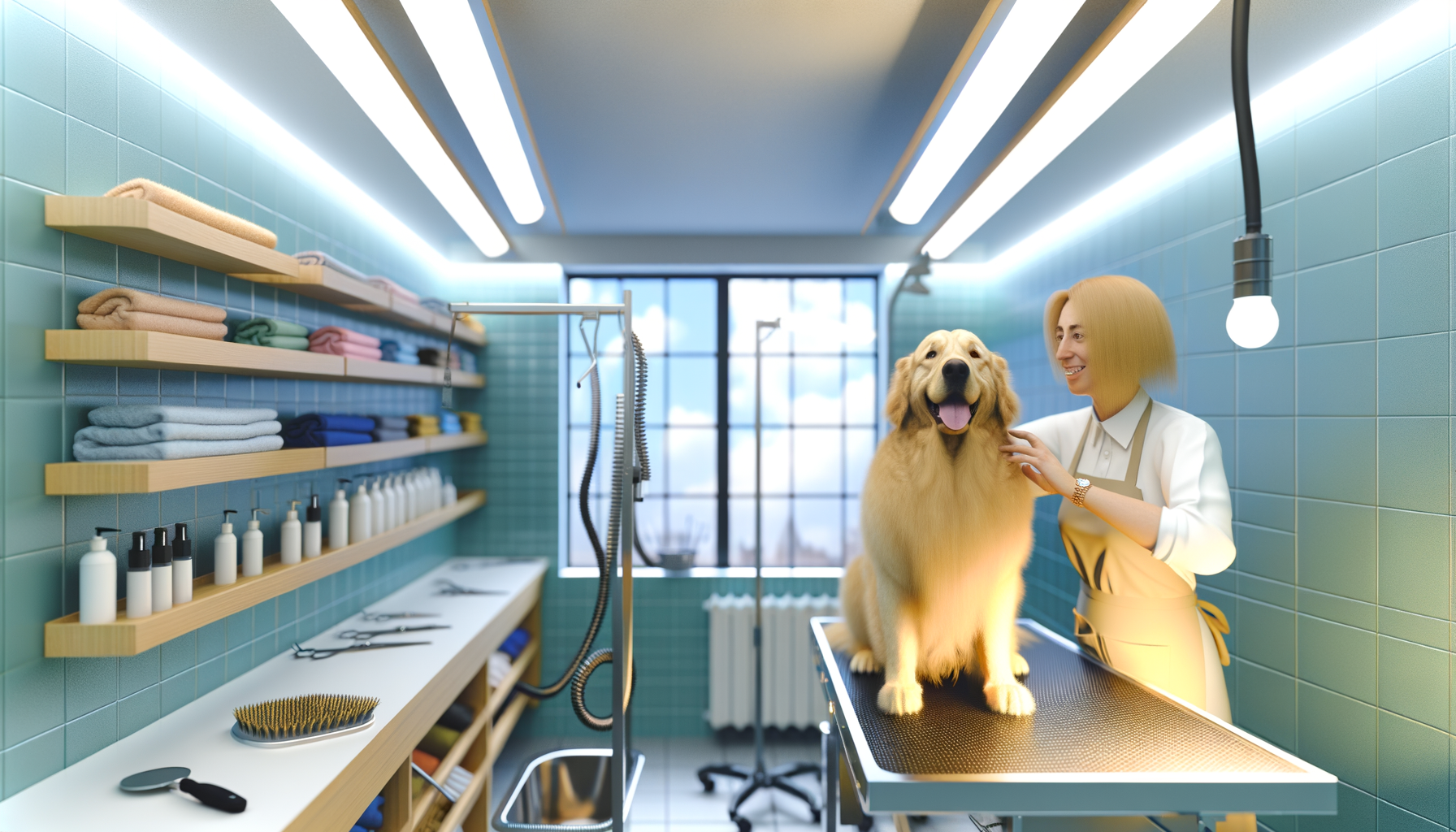
Different pet breeds require specific grooming routines based on coat type, length, and texture. Long-haired breeds need daily brushing, short-haired pets require weekly maintenance, and double-coated breeds need seasonal deep grooming to prevent matting and maintain healthy skin.
Why Does Breed Matter for Grooming?
Each pet breed was developed for specific purposes, resulting in distinct coat characteristics that determine grooming needs. A Border Collie's weather-resistant double coat serves different functions than a Poodle's continuously growing curly hair or a Persian cat's long, silky fur. Understanding these differences prevents common grooming mistakes that can lead to skin irritation, matting, or even behavioral issues. Breed-specific grooming isn't just about appearance—it's essential for your pet's health, comfort, and emotional well-being. The wrong approach can cause stress during grooming sessions and create negative associations that make future care more difficult.
How Often Should Long-Haired Breeds Be Groomed?
Long-haired breeds like Golden Retrievers, Afghan Hounds, and Persian cats require the most intensive grooming schedules:
- Daily brushing (5-10 minutes) to prevent tangles and remove loose fur before it mats
- Weekly thorough combing sessions (20-30 minutes) working through all layers of coat
- Bi-weekly baths with breed-appropriate shampoo to maintain coat health and manageability
- Monthly professional grooming for trimming, nail care, and deep conditioning treatments
- Seasonal coat maintenance including undercoat removal during shedding periods
What Do Short-Haired Breeds Really Need?
Short-haired breeds like Beagles, Boston Terriers, and Siamese cats have simpler but still important grooming requirements. Their coats may look low-maintenance, but they still shed considerably and benefit from regular care. Weekly brushing with a rubber curry brush or grooming mitt removes dead hair and distributes natural oils throughout the coat, promoting shine and skin health. Monthly baths are typically sufficient unless they get dirty or develop skin conditions. Many owners underestimate the grooming needs of short-haired pets, but consistent care prevents excessive shedding around the home and helps you spot skin issues, lumps, or parasites early.
Which Breeds Need Professional Grooming?
Some breeds require professional expertise due to specific coat characteristics and grooming techniques:
- Poodles and Doodle mixes - Curly coats that mat easily and need specialized cutting techniques
- Terrier breeds - Hand-stripping required to maintain proper coat texture and color
- Show breeds - Breed-standard grooming patterns that require professional training
- Senior pets or those with mobility issues - Need gentle handling and adapted techniques
- Aggressive or anxious pets - Benefit from experienced groomers with behavior management skills
- Breeds with specific health considerations - Such as breathing issues in flat-faced breeds
How Do Cat Grooming Needs Differ from Dogs?
Cats have unique grooming requirements that differ significantly from dogs. Most cats are excellent self-groomers, but they still benefit from human assistance, especially long-haired breeds like Maine Coons and Ragdolls. Cats typically require gentler handling and shorter grooming sessions to prevent stress. Their skin is more delicate than dogs', requiring softer brushes and careful technique around sensitive areas like the belly and legs. Indoor cats often need more grooming assistance than outdoor cats because they're less active and may not wear down their nails naturally. Senior cats or overweight cats may struggle to groom hard-to-reach areas and need daily help maintaining cleanliness and preventing matting.
What Should Your Grooming Kit Include?
Essential tools vary by breed, but every pet owner needs these basics:
- Slicker brush for removing loose fur and preventing mats
- Metal comb for working through tangles and checking for parasites
- Nail clippers appropriate for your pet's size
- Pet-specific shampoo (never use human products)
- Towels designated for pet use only
- Ear cleaning solution and cotton balls
- Toothbrush and pet toothpaste for dental care
- Treats for positive reinforcement during grooming sessions
When Should You Start Grooming Routines?
Early introduction to grooming is crucial for lifelong cooperation and stress-free maintenance. Puppies and kittens should begin gentle grooming experiences as early as 8-12 weeks old, focusing on positive associations rather than thorough cleaning. Start with brief sessions (2-3 minutes) that include gentle touching of paws, ears, and mouth while offering treats and praise. Gradually increase duration and introduce tools one at a time. Adult pets new to grooming need patient, gradual introduction with lots of positive reinforcement. Never force a frightened pet through grooming procedures, as this creates lasting negative associations that make future care more difficult and stressful for everyone involved.
The biggest mistake I see pet owners make is waiting until their pet needs grooming to start the routine. By then, mats have formed, nails are overgrown, and the pet is stressed. Regular maintenance prevents problems and makes grooming a bonding experience.
Dr. Jennifer Martinez, Veterinary Dermatologist
What Are the Signs Your Pet Needs Professional Help?
Sometimes home grooming isn't enough. Watch for these indicators:
- Mats that can't be brushed out gently - forcing them can hurt your pet and damage skin
- Strong odors that persist after bathing - may indicate skin conditions or ear infections
- Excessive scratching, licking, or skin irritation - requires professional assessment
- Overgrown nails that click on floors or curve toward paw pads
- Difficulty seeing due to hair covering eyes - affects safety and comfort
- Behavioral changes during grooming - increased aggression or extreme fear responses
How Can You Make Grooming Enjoyable?
Successful grooming depends on creating positive experiences that your pet anticipates rather than dreads. Use high-value treats that only appear during grooming sessions, creating positive associations with the activities. Keep sessions short and end on a positive note, even if you haven't completed everything you planned. Pay attention to your pet's body language and stress signals—panting, trembling, or trying to escape indicate you need to slow down or take breaks. Make grooming part of your regular bonding routine rather than something that only happens when your pet looks messy. Many pets learn to enjoy the individual attention and gentle massage-like motions of brushing when introduced properly.
Frequently Asked Questions
How often should I brush my Golden Retriever?
Golden Retrievers need daily brushing (5-10 minutes) to prevent mats and reduce shedding. During seasonal coat changes, increase to twice daily sessions focusing on the undercoat.
Can I shave my double-coated dog in summer?
No, shaving double-coated breeds removes their natural temperature regulation system. Instead, brush out loose undercoat and ensure they have shade and water during hot weather.
Why does my cat need grooming if they clean themselves?
Cats benefit from human grooming assistance, especially long-haired breeds prone to matting. Senior or overweight cats may struggle to reach all areas effectively.
When should I start grooming my puppy?
Begin gentle grooming experiences at 8-12 weeks old with brief, positive sessions. Focus on touching paws, ears, and mouth while offering treats and praise.
How do I know if my pet needs professional grooming?
Professional help is needed for persistent mats, strong odors after bathing, overgrown nails, or if your pet shows extreme stress during home grooming sessions.
What's the difference between grooming tools for different coat types?
Long coats need pin brushes and dematting combs, short coats benefit from rubber curry brushes, and curly coats require slicker brushes and metal combs for thorough care.
Find Trusted Pet Groomers in Your Area
Finding a skilled groomer who understands your pet's specific breed needs is crucial for their health and happiness. Tools like Linked By Six can show you which local pet groomers your friends and neighbors already trust—see real connections and experiences before you book. This helps you find professionals who have proven success with your specific breed and grooming requirements.
Understanding your pet's breed-specific grooming needs is essential for their health, comfort, and your relationship together. Whether you have a high-maintenance Poodle requiring professional styling or a short-haired cat needing weekly brushing, consistent care prevents problems and creates positive bonding experiences. Start early, use appropriate tools for your pet's coat type, and don't hesitate to seek professional help when needed. Remember that grooming is about more than appearance—it's a vital part of pet health care that helps you monitor your companion's overall well-being while strengthening your bond through regular, gentle care.