
How to Find a Trusted Mechanic in a New City
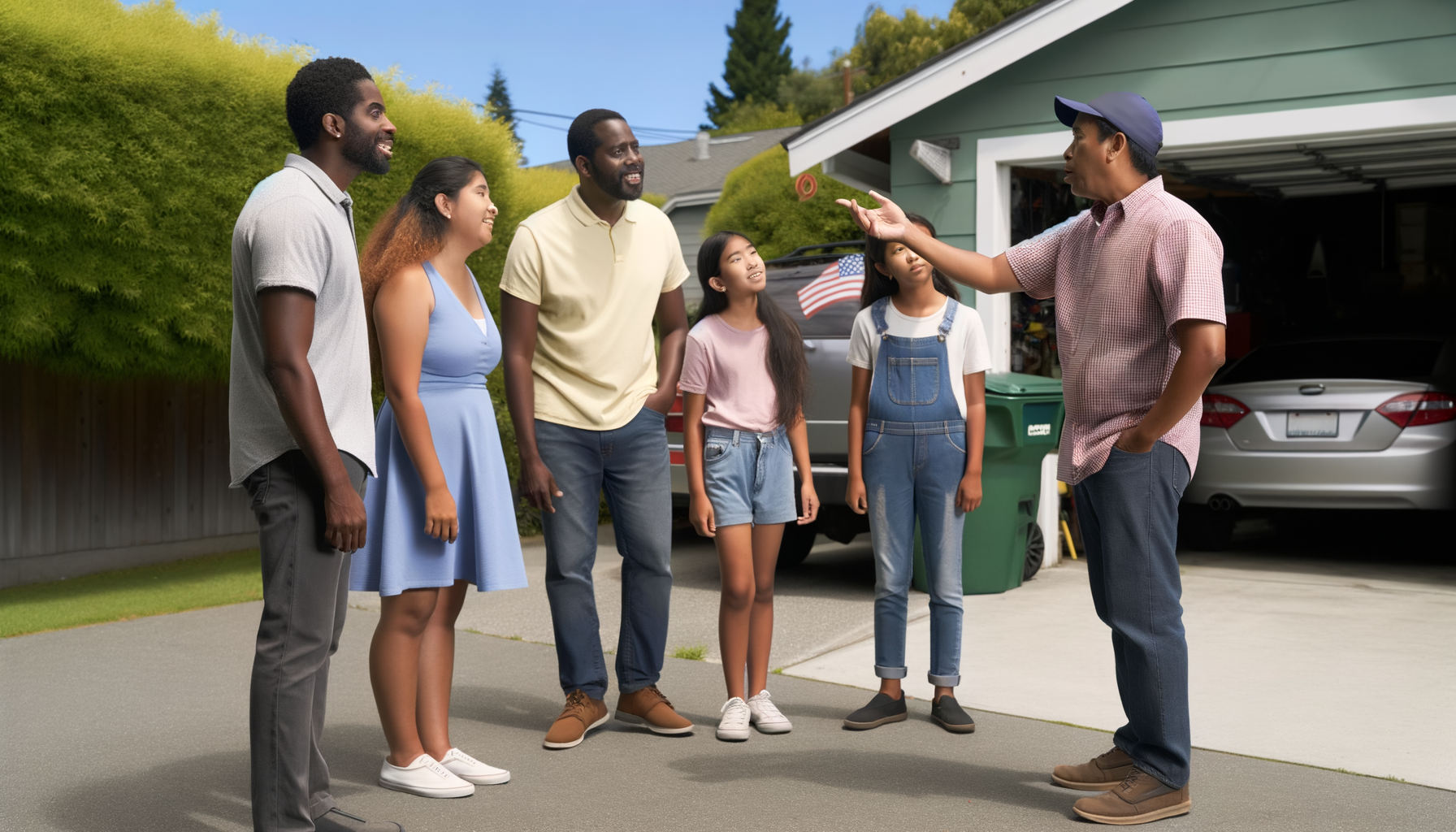
The best way to find a reliable mechanic in a new city is through personal recommendations from locals. Start by asking neighbors, coworkers, and community members about their trusted service providers, then verify credentials and visit shops before needing emergency repairs.
Why Personal Networks Matter Most for Car Services?
When you're new to a city, your car becomes even more critical for navigating unfamiliar territory, making work commutes, and exploring your new environment. Unlike online reviews that can be manipulated or lack context, personal recommendations from locals carry the weight of real experience and ongoing relationships. People who live in your area understand the specific challenges of local driving conditions, seasonal maintenance needs, and which shops consistently deliver quality work at fair prices. Your neighbors and coworkers have skin in the game – they're recommending services they personally trust with their own vehicles and budgets.
Who Should You Ask for Mechanic Recommendations?
Cast a wide net when seeking recommendations, as different people may have experience with various types of car services:
- Immediate neighbors who deal with the same local driving conditions and weather patterns
- Coworkers who commute similar routes and understand your daily driving needs
- Local real estate agents who work with many residents and hear consistent feedback
- Auto parts store employees who see which shops do quality work and which create repeat problems
- Insurance agents familiar with local repair shops and claim histories
- Community group members on neighborhood social media or local forums
Essential Questions to Ask When Getting Recommendations
- How long have you been using this mechanic, and for what types of services?
- Have they handled both routine maintenance and unexpected repairs well?
- Do they provide clear estimates and explain work before starting?
- Have you ever had any disputes or unsatisfactory experiences?
- Do they specialize in your car's make or have experience with similar vehicles?
- How do their prices compare to other shops you've tried?
- Do they complete work on schedule and communicate about delays?
- Would you trust them with expensive repairs, not just oil changes?
How to Evaluate Recommended Mechanics Before You Need Them?
Once you have several recommendations, take proactive steps to evaluate potential mechanics before facing an emergency. Visit shops during normal business hours to observe their operations, cleanliness, and customer interactions. A well-organized shop with clean work areas and modern equipment often indicates professionalism and investment in quality service. Notice how staff interact with current customers – are they patient with questions, transparent about pricing, and respectful of people's time? Ask about their experience with your specific vehicle make and model, as some shops specialize in certain brands or types of cars.
What Red Flags Should You Watch For?
Even with personal recommendations, stay alert for warning signs that a service provider might not be the right fit. Be cautious of mechanics who pressure you into expensive additional services during routine maintenance, especially without clear explanations of why the work is necessary. Shops that can't provide written estimates, refuse to show you damaged parts, or seem dismissive of your questions may not prioritize customer relationships. Pay attention to consistency between what people told you to expect and your actual experience – significant discrepancies might indicate the shop's standards have changed or that the recommendation wasn't based on recent experience.
Steps to Build a Relationship with Your New Mechanic
Establishing a good relationship with your chosen mechanic pays dividends in better service and peace of mind:
- Introduce yourself as a new resident and mention who recommended them – this establishes immediate credibility
- Bring your vehicle's maintenance records to help them understand its history and your commitment to proper care
- Be upfront about your budget constraints and ask them to prioritize repairs by safety and urgency
- Ask questions about maintenance schedules specific to local conditions like weather, road salt, or air quality
- Provide feedback on their service and express appreciation when they do good work
- Refer other newcomers to the area when you're satisfied with their service
How to Handle Car Emergencies Before Establishing Relationships?
Sometimes car trouble strikes before you've had time to research and build relationships with local service providers. In emergency situations, your insurance company's roadside assistance or AAA can recommend approved shops in your area. These providers typically have basic vetting procedures and established relationships with reputable businesses. However, use these emergency services as temporary solutions while you continue building your network of trusted local providers. Keep the business cards or contact information from emergency services that treat you well – they might become your regular providers.
What About Specialized Services Beyond Basic Mechanics?
Your car care network should extend beyond just a general mechanic to include these specialized providers:
- Tire shops for seasonal changes, repairs, and replacements specific to local road conditions
- Auto body shops for collision repair, paint work, and dealing with weather-related damage
- Transmission specialists for complex drivetrain issues that general mechanics might not handle
- Electrical system experts for modern car computer and sensor problems
- Air conditioning specialists crucial in hot climates or for older vehicle systems
- Detailing services to protect your car's finish from local environmental factors
How to Maintain Relationships When Moving Frequently?
If your lifestyle involves frequent relocations, develop a system for quickly establishing car service relationships in each new location. Keep detailed records of what services work well for your vehicle, including specific part numbers, service intervals, and maintenance preferences that you can share with new providers. Create a template of questions to ask potential mechanics that reflects lessons learned from previous experiences. Consider joining national organizations or clubs related to your car's make that can provide local chapter recommendations in new cities.
I've moved six times in ten years, and the fastest way I've found to get quality car service is always through coworkers. They know the local driving conditions, they've tried multiple shops, and they understand what it's like to need reliable transportation in our specific area.
Mike Chen, Sales Manager
Frequently Asked Questions
How quickly should I find a mechanic after moving?
Start asking for recommendations immediately after moving, and establish a relationship within your first month. Don't wait for car trouble to force hasty decisions under pressure.
Should I stick with chain shops or find independent mechanics?
Both can be excellent choices. Focus on personal recommendations and quality relationships rather than business type. Many people successfully use both for different services.
What if I get conflicting recommendations for different shops?
Visit multiple recommended shops for simple services like oil changes. This gives you firsthand experience to evaluate which fits your needs and communication style best.
How do I handle warranty work when I move?
Contact your car manufacturer or warranty provider for authorized dealers in your new area. Many warranties require specific providers, but you can still build relationships for non-warranty work.
Is it worth maintaining relationships with mechanics in my old city?
Only if you visit frequently or they provide exceptional specialized services unavailable locally. Generally, focus on building strong local relationships for convenience and emergency availability.
Take Action
Before your next car service need arises, reach out to three people in your new community today. Ask your closest neighbor, a trusted coworker, and someone from a local community group about their car service recommendations.
Finding reliable car service in a new city doesn't have to be a gamble with online reviews or expensive trial and error. By tapping into local knowledge through personal networks, you gain access to proven service providers who understand your area's specific needs. The time invested in building these relationships pays dividends in better service, fair pricing, and peace of mind. Remember that the best service providers are often discovered through the extended networks of people who share your daily driving environment and understand what reliable transportation means to your new life in the city.