
7 Essential Questions to Ask Before Hiring Pool Service
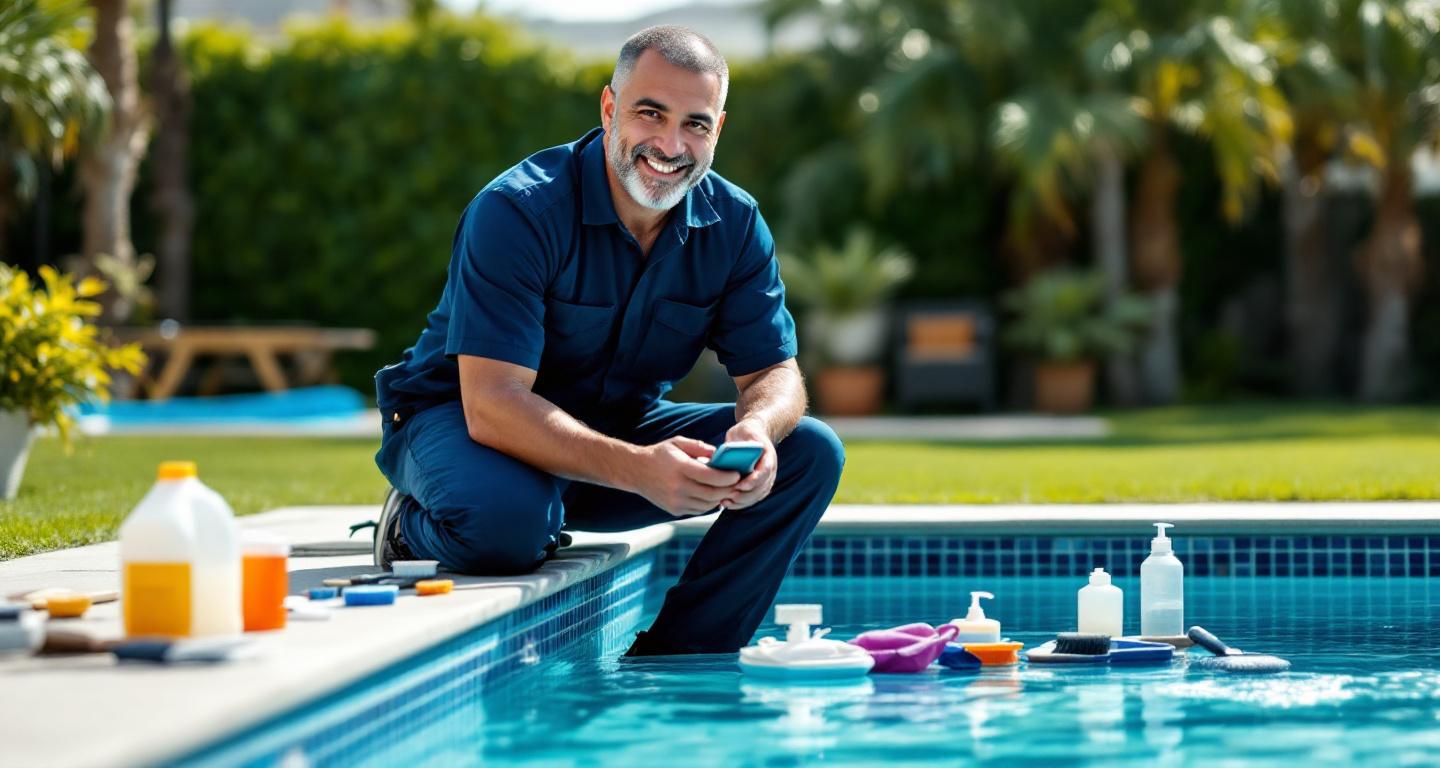
Ask pool service providers about licensing, insurance, service frequency, chemical types used, equipment maintenance, emergency response times, and pricing structure. Request references and verify their water chemistry certification to ensure professional, reliable pool maintenance.
Why Do These Questions Matter for Pool Service?
Pool maintenance involves complex water chemistry, expensive equipment, and potential safety hazards. The wrong service provider can damage your pool equipment, create unsafe swimming conditions, or leave you with costly repairs. Unlike many services where mistakes are easily fixed, pool chemistry errors can take weeks to correct and may harm swimmers' health. Professional pool technicians understand the delicate balance of pH levels, chlorine, alkalinity, and other chemicals that keep your pool safe and sparkling. They also know how to spot early signs of equipment problems before they become expensive failures. By asking the right questions upfront, you ensure your pool receives expert care that protects both your investment and your family's safety.
What Licensing and Insurance Should They Have?
Professional pool service requires specific credentials and protection. Always verify these qualifications:
- Current business license in your city and state - verify this independently through local licensing boards
- General liability insurance with minimum $1 million coverage to protect against property damage
- Workers' compensation insurance if they have employees working on your property
- Pool operator certification from organizations like the National Swimming Pool Foundation (NSPF)
- Chemical handler's license if required in your state for pool chemical application
How Often Will They Service Your Pool?
Service frequency directly impacts water quality and equipment longevity. Most residential pools need weekly service, but this varies based on usage, weather, and surrounding environment. Ask specifically what their standard service includes: skimming debris, brushing walls and steps, vacuuming, emptying skimmer and pump baskets, testing and balancing water chemistry, and checking equipment operation. Find out if they offer flexible scheduling during different seasons - many pools need more frequent attention during heavy use periods or after storms. Clarify what happens if they miss a scheduled visit and whether they provide make-up service. Also ask about their policy during holidays, vacations, and extreme weather conditions when pool access might be limited.
What Chemicals and Products Do They Use?
Chemical quality affects both water safety and your pool's surfaces. Ask these specific questions:
- What brand of chemicals do they use and why do they prefer that brand?
- Do they use liquid chlorine, tablets, or saltwater systems - and what's best for your pool?
- How do they handle pH balancing and alkalinity adjustments?
- What algaecides and clarifiers do they stock for problem situations?
- Do they provide eco-friendly or low-chemical options if requested?
- How do they store and transport chemicals safely?
- Can they provide material safety data sheets for all chemicals used?
What Equipment Maintenance Do They Provide?
Pool equipment represents a significant investment, and proper maintenance extends its lifespan dramatically. Ask if equipment inspection is included in regular service or requires additional fees. Find out specifically what they check: pump operation and pressure readings, filter condition and cleaning schedule, heater operation and safety features, automatic cleaner function, and timer settings. Clarify who handles equipment repairs - do they perform the work, recommend trusted repair companies, or leave you to find help independently? Ask about their policy on recommending equipment upgrades or replacements, and whether they mark up parts or charge only labor. Understanding their approach to equipment maintenance helps you budget for ongoing pool ownership costs.
Questions About Pricing and Contracts
Get complete pricing transparency before signing any agreement:
- Monthly service fee for standard weekly maintenance
- Additional charges for chemical balancing or extra visits
- Seasonal pricing differences (if any) between summer and winter
- Extra fees for post-storm cleanup or algae treatment
- Equipment repair markup policies and labor rates
- Contract length requirements and cancellation terms
- Payment schedule and accepted payment methods
- Price increase policies and advance notice requirements
How Do They Handle Emergencies and Problems?
Pool emergencies can't wait for the next scheduled visit. Green water from algae blooms, equipment failures, or contamination issues require immediate attention. Ask about their emergency response policy: do they offer same-day or next-day problem visits, and what additional fees apply? Find out how they communicate with customers about pool issues - do they call, text, or leave written reports? Ask if they provide water testing between visits if you're concerned about chemistry balance. Clarify their policy on weekend or holiday emergency calls, especially during peak swimming season. Also ask how they handle situations where your pool requires multiple visits to resolve persistent problems, such as recurring algae or equipment malfunctions.
The best pool service companies treat your pool like it's their own. They proactively communicate problems, explain their solutions in terms you understand, and help you make informed decisions about repairs and upgrades.
Jennifer Walsh, Pool Industry Professional with 15 years experience
What References and Experience Can They Provide?
Experience matters significantly in pool service because every pool presents unique challenges based on its age, equipment, location, and usage patterns. Ask how long they've been servicing pools in your specific area - local experience means they understand regional water conditions, weather patterns, and common equipment issues. Request references from current customers, preferably those with similar pools to yours. Ask if you can see examples of pools they've maintained long-term, particularly any they've helped recover from serious problems like equipment failures or severe algae blooms. Find out if they specialize in certain types of pools (saltwater, natural, commercial) or equipment brands. A company that's successfully maintained pools in your neighborhood for years demonstrates the consistency and reliability you need for ongoing service.
Frequently Asked Questions
How much should pool service cost per month?
Most residential pool service costs $80-150 monthly for weekly cleaning and chemical balancing. Prices vary by region, pool size, and service frequency. Always get written quotes from multiple providers.
Should pool service include chemicals in the price?
Many services include basic chemicals in monthly fees, but clarify exactly what's covered. Large chemical corrections, algae treatments, or specialty products often cost extra.
How long should I commit to a pool service contract?
Seasonal contracts (6-8 months) are common and reasonable. Avoid long-term contracts until you've tested their service quality. Monthly agreements offer more flexibility initially.
What certifications should pool technicians have?
Look for NSPF (National Swimming Pool Foundation) certification, state-required pool operator licenses, and chemical handler permits. Certified technicians understand water chemistry and safety protocols better.
Do I need to be home during pool service visits?
Most pool service happens while you're away. Ensure they have reliable property access and clear communication methods to report any issues or concerns.
What should I do if my pool service consistently misses visits?
Document missed visits and communicate concerns immediately. Reliable service is essential for pool health. Consider switching providers if problems persist after addressing them directly.
Find Trusted Pool Service in Your Area
Skip the guesswork and find pool service companies your neighbors already trust. Tools like Linked By Six show you which local providers your friends and community members recommend, helping you make informed decisions with confidence.
Choosing the right pool service provider protects your investment and ensures safe, enjoyable swimming all season long. By asking detailed questions about licensing, service frequency, chemical practices, equipment maintenance, and pricing, you can confidently select a provider who will keep your pool in excellent condition. Remember that the cheapest option isn't always the best value - focus on finding a licensed, insured, and experienced company that communicates clearly and stands behind their work. A great pool service provider becomes a trusted partner in maintaining your backyard oasis for years to come.