
8 Essential Questions to Ask Your HVAC Technician
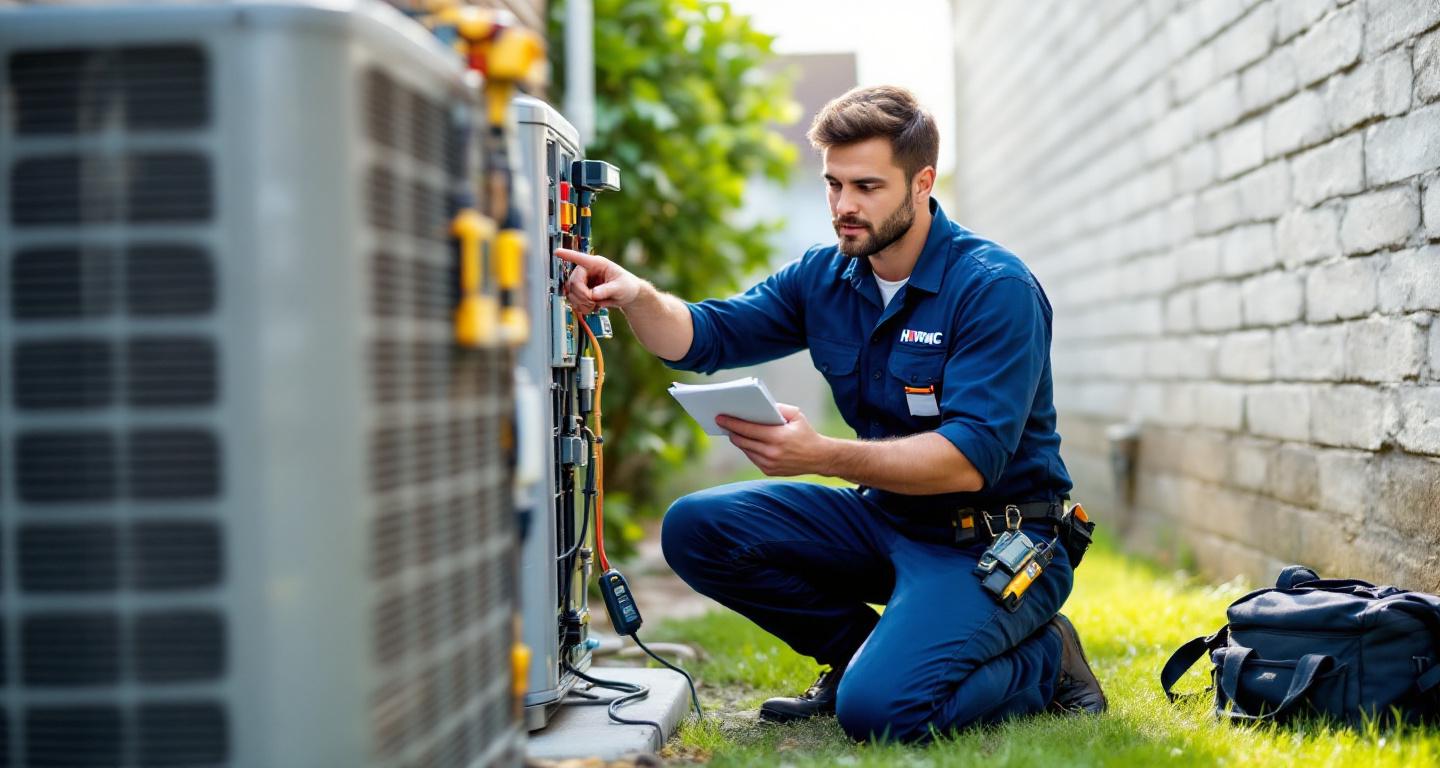
Ask your HVAC technician about their licensing and insurance, diagnostic findings, repair options with costs, warranty coverage, and maintenance recommendations. These questions ensure you receive quality service and make informed decisions about your heating and cooling system.
Why Do the Right Questions Matter for HVAC Service?
Your HVAC system represents a significant investment in your home's comfort and value. When something goes wrong, you're often dealing with urgent situations—sweltering heat in summer or freezing temperatures in winter. This urgency can lead to hasty decisions that cost you thousands of dollars or result in subpar repairs. The questions you ask your HVAC technician serve as your shield against unnecessary expenses and shoddy workmanship. A qualified, honest technician will welcome your questions and provide clear, detailed answers. If someone becomes evasive or pressures you to make immediate decisions, that's your signal to seek a second opinion. Remember, legitimate HVAC professionals want informed customers because it leads to better outcomes for everyone involved.
What Credentials Should I Verify First?
Before any work begins, establish that your technician has the proper qualifications to service your system safely and legally:
- Ask to see their current HVAC license and verify it matches your state's requirements for the type of work needed
- Request proof of liability insurance and workers' compensation coverage to protect yourself from potential accidents
- Inquire about manufacturer certifications, especially if your system is still under warranty or requires specialized knowledge
- Ask about their experience with your specific HVAC brand and model, as some systems require particular expertise
What Exactly Is Wrong With My System?
A trustworthy HVAC technician should be able to explain the problem in terms you understand, not just technical jargon designed to confuse you. Ask them to show you the problematic component and explain how it affects your system's overall performance. Request details about what caused the issue—was it normal wear and tear, lack of maintenance, or an installation problem? Understanding the root cause helps you prevent similar issues in the future. Don't hesitate to ask for a written diagnostic report that outlines their findings. This documentation becomes valuable if you need a second opinion or if problems persist after the repair. A professional technician will appreciate your interest in understanding your system better.
What Are My Repair and Replacement Options?
Avoid technicians who present only one solution. Ask about all available options:
- What's the difference in cost and longevity between repairing the current component versus replacing it?
- Are there alternative solutions that might be more cost-effective for your specific situation?
- If replacement is recommended, why is repair not viable, and can you see the damaged parts?
- What are the pros and cons of different replacement options, including energy efficiency ratings?
- How do the costs and benefits change if you address related components at the same time?
Can You Provide a Detailed Written Estimate?
Verbal estimates leave too much room for misunderstanding and disputes. Request a detailed written estimate that breaks down labor costs, parts costs, and any additional fees. The estimate should specify the exact parts being used, including brand names and model numbers. Ask about the timeline for completion and whether the price could change based on discoveries during the work. Understand their payment terms—reputable companies typically don't require full payment upfront. If additional work becomes necessary, ask them to contact you for approval before proceeding. This written documentation protects both you and the contractor and ensures everyone has clear expectations about the scope and cost of the work.
What Warranties and Guarantees Do You Provide?
Warranty coverage varies significantly between contractors and can save you thousands in future repairs:
- What warranty do you provide on your labor, and how long does it last?
- What manufacturer warranty comes with replacement parts, and who handles warranty claims?
- Are there any actions on my part that could void the warranty?
- Do you guarantee the repair will solve the specific problem I'm experiencing?
- What happens if the same issue occurs again within the warranty period?
How Can I Prevent Future Problems?
An excellent HVAC technician serves as your system's healthcare provider, offering preventive advice to avoid future breakdowns. Ask about the recommended maintenance schedule for your specific system and what you can do yourself versus what requires professional service. Inquire about air filter types and replacement frequency, as this simple task significantly impacts system performance and longevity. Request information about warning signs that indicate developing problems, so you can address issues before they become expensive emergencies. Ask if they offer maintenance agreements or service plans that could save you money and ensure regular care for your system. Understanding your system's needs helps you budget for future maintenance and extends its operational life.
Red Flags to Watch For During Your Consultation
- Technician cannot provide proof of licensing or insurance
- Refuses to explain the problem in understandable terms
- Pressures you to make immediate decisions or sign contracts on the spot
- Provides only verbal estimates without written documentation
- Cannot answer questions about warranties or guarantees
- Recommends expensive replacements without showing you the damaged components
- Asks for full payment upfront before work begins
- Cannot provide local references or has no online presence
When Should You Get a Second Opinion?
Certain situations warrant additional consultation before proceeding with HVAC work. If the repair estimate exceeds 50% of your system's replacement cost, getting another assessment makes financial sense. When a technician recommends replacing a relatively new system or suggests that multiple major components need immediate replacement, seek confirmation from another professional. Trust your instincts—if something feels off about the technician's demeanor, explanations, or pricing, there's no harm in getting another perspective. For complex issues involving ductwork modifications, electrical upgrades, or structural changes, having multiple expert opinions helps ensure you're making the best decision for your home and budget. The cost of a second diagnostic fee often pays for itself through better decision-making.
Frequently Asked Questions
How much should I expect to pay for an HVAC diagnostic visit?
Most HVAC diagnostic visits cost between $75-200, depending on your location and the complexity of the issue. Many companies will apply this fee toward repair costs if you hire them.
Is it normal for an HVAC technician to find additional problems during a repair?
Yes, it's common to discover related issues once a system is opened up. However, reputable technicians will contact you for approval before addressing any problems beyond the original scope of work.
What HVAC repairs should I never attempt myself?
Never attempt repairs involving refrigerant, electrical connections, gas lines, or major component replacement. These require specialized training and tools, and DIY attempts can be dangerous and void warranties.
How do I know if my HVAC system needs replacement rather than repair?
Consider replacement if your system is over 15 years old, requires frequent expensive repairs, or if repair costs exceed 50% of replacement cost. Energy efficiency improvements may also justify replacement.
Should I get multiple quotes for HVAC work?
Yes, especially for repairs over $500 or any replacement recommendations. Multiple quotes help you understand fair pricing and ensure you're getting the best solution for your situation.
What's the difference between emergency and regular HVAC service rates?
Emergency service typically costs 50-100% more than regular rates due to after-hours availability. Unless it's truly urgent, scheduling during regular business hours saves money.
Find Trusted HVAC Professionals
Don't leave HVAC repairs to chance. Tools like Linked By Six automatically show you which local HVAC contractors your friends and colleagues have used and trusted—see verified connections before you search. Skip the guesswork and find professionals with real accountability through your network.
The right questions transform you from a vulnerable homeowner into an informed consumer who can confidently navigate HVAC repairs and maintenance. Remember that professional technicians welcome questions because they want you to understand and feel comfortable with the proposed work. Your HVAC system is too important and expensive to trust to anyone who can't provide clear, honest answers about their credentials, diagnosis, options, and warranties. When you find a technician who patiently addresses your concerns and provides transparent information, you've likely found someone worth building a long-term service relationship with. This investment in asking the right questions upfront can save you thousands of dollars and countless headaches down the road.