
7 Essential Questions Pet Owners Ask Before Choosing Services
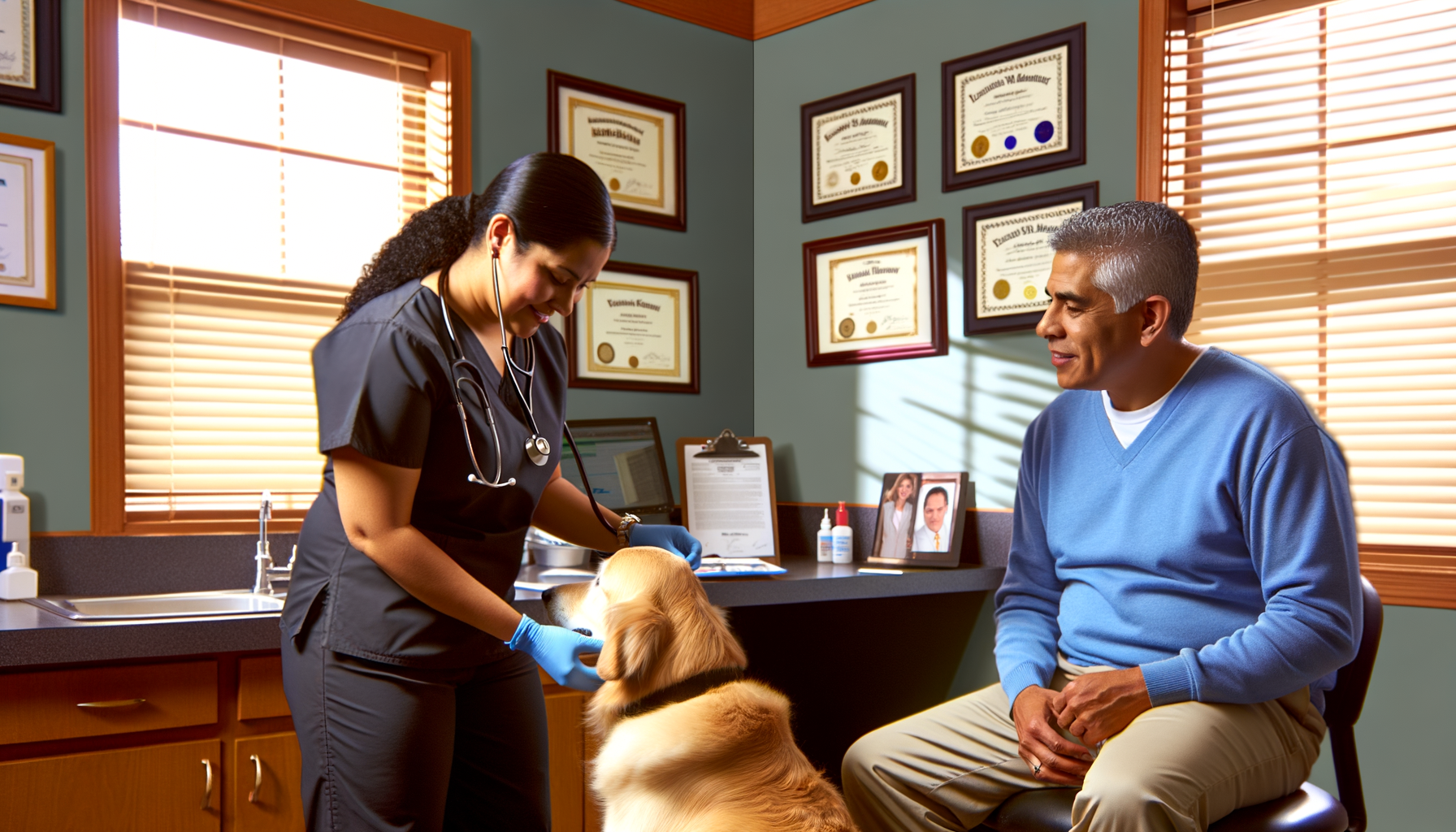
Pet owners typically ask about credentials, experience with their pet's breed, emergency protocols, pricing transparency, facility cleanliness, and staff qualifications. The most critical questions focus on safety measures, communication practices, and how providers handle stressed or anxious animals during care.
Why Do Pet Owners Need Different Questions for Different Services?
Pet services span a wide spectrum of care levels and expertise requirements. A dog walker needs different qualifications than a veterinary surgeon, yet both directly impact your pet's wellbeing. Understanding which questions matter most for each service type helps you focus on the criteria that truly affect your pet's safety and happiness. Veterinary services require questions about medical training and emergency protocols, while grooming services need focus on handling techniques and stress reduction methods. Pet sitting and boarding services demand questions about supervision, exercise routines, and emergency contacts. Each service category has unique risk factors and quality indicators that experienced pet owners learn to evaluate.
What Are the Top 7 Questions Every Pet Owner Should Ask?
These universal questions apply across all pet service categories and help establish baseline trust and competency:
- What are your credentials and how long have you been providing this service? Look for specific certifications, licenses, and years of hands-on experience.
- Can you provide references from current clients with similar pets? Recent references indicate consistent service quality and client satisfaction.
- What is your policy for handling emergencies or unexpected situations? Clear emergency protocols demonstrate professional preparedness and responsibility.
- How do you communicate with pet owners about their pet's care and any concerns? Regular communication builds trust and keeps you informed about your pet's wellbeing.
- What safety measures do you have in place to prevent accidents or escapes? Specific safety protocols show attention to risk management and pet security.
- How do you handle pets that become stressed, anxious, or aggressive during care? Experience with behavioral challenges indicates skill in managing difficult situations safely.
- What exactly is included in your pricing, and what additional costs might arise? Transparent pricing prevents surprise charges and helps you budget appropriately for care.
How Do Veterinary Service Questions Differ from Other Pet Care?
Veterinary services require the most intensive questioning because they directly impact your pet's health and potentially their survival. Beyond basic credentials, ask about their experience with your pet's specific breed, age, and any existing conditions. Inquire about their diagnostic equipment, surgical facilities, and relationships with emergency clinics for after-hours care. Understanding their approach to preventive care, pain management, and treatment options helps you gauge their medical philosophy and expertise. Questions about staff turnover, continuing education, and specialization areas reveal the clinic's commitment to maintaining high standards. Don't hesitate to ask about their success rates with procedures your pet might need and how they handle complications or unexpected findings during treatment.
What Should Pet Owners Ask About Grooming and Boarding Facilities?
Grooming and boarding services require questions focused on animal handling, facility conditions, and daily care routines:
- Can I tour the facilities where my pet will be kept or groomed? Physical inspection reveals cleanliness standards, space adequacy, and overall conditions.
- How many pets do you handle at one time, and what is your staff-to-animal ratio? Lower ratios typically mean more individual attention and better supervision.
- What products do you use, and do you have alternatives for pets with sensitive skin or allergies? Quality products and flexibility show attention to individual pet needs.
- How do you separate different sized animals and manage aggressive or fearful pets? Proper separation and behavioral management prevent injuries and reduce stress.
- What happens if my pet becomes ill or injured while in your care? Clear protocols for health issues demonstrate professional responsibility and preparedness.
- How much exercise and social interaction will my pet receive daily? Adequate physical activity and attention are crucial for pet wellbeing during extended stays.
How Can Pet Owners Evaluate the Quality of Answers They Receive?
The quality of responses often matters more than the specific answers themselves. Professional service providers should answer questions confidently, provide specific details rather than vague assurances, and show willingness to address your concerns thoroughly. Be wary of providers who give evasive answers, seem annoyed by questions, or pressure you to make immediate decisions. Quality providers often ask questions about your pet in return, showing genuine interest in providing appropriate care. They should be transparent about their limitations and honest about situations they cannot handle. Pay attention to how staff members interact with animals during your visit – their natural behavior with pets often reveals their true competence and compassion levels.
What Red Flags Should Trigger Additional Questions?
Watch for these warning signs that indicate you need to dig deeper with more specific questions:
- Facilities that smell bad, appear dirty, or have obvious safety hazards
- Staff who seem overwhelmed, understaffed, or unable to manage the animals in their care
- Providers who cannot or will not provide references from recent clients
- Unclear or constantly changing pricing with hidden fees discovered later
- No clear protocols for emergencies or medical situations
- Unwillingness to allow facility tours or meet staff members who will care for your pet
- Excessive focus on selling additional services rather than addressing your questions
- No insurance or bonding to protect against accidents or property damage
Why Do Personal Recommendations Matter More for Pet Services?
Pet services create deeply personal relationships because they involve caring for family members who cannot advocate for themselves. Personal recommendations from trusted sources carry extra weight because they come from people who understand your values and standards for pet care. These recommendations often include details about how providers handled specific situations, their communication style, and whether they truly care about animals or just see them as business transactions. Friends and family members can share honest feedback about pricing, reliability, and how their pets responded to different providers. They can also warn you about negative experiences that might not show up in online reviews. However, remember that every pet has different needs, so even glowing recommendations should be followed up with your own thorough questioning and evaluation process.
Frequently Asked Questions
How many service providers should I interview before making a decision?
Interview at least 2-3 providers to compare approaches, pricing, and comfort levels. This gives you perspective on industry standards and helps you identify the best fit for your pet's specific needs and your communication preferences.
Should I bring my pet to initial consultations with service providers?
Yes, when possible. Observing how your pet reacts to the provider and how the provider interacts with your pet gives valuable insights into compatibility and the provider's genuine comfort level with animals.
What should I do if a service provider refuses to answer certain questions?
Consider it a red flag and look elsewhere. Professional providers should welcome questions about their qualifications, facilities, and procedures. Evasiveness often indicates they have something to hide or lack proper standards.
How far in advance should I start researching pet service providers?
Start researching at least 2-3 weeks before you need services. This gives you time to interview multiple providers, check references, and schedule meet-and-greets without feeling pressured to make quick decisions.
Are online reviews sufficient for evaluating pet service providers?
No, online reviews should supplement but not replace personal questioning and facility visits. Reviews can highlight patterns of issues or excellence, but your specific pet's needs require personalized evaluation and direct communication.
What questions should I ask about a provider's insurance and liability coverage?
Ask about professional liability insurance, bonding, and what happens if your pet is injured or becomes ill in their care. Reputable providers carry appropriate insurance and have clear policies for handling accidents or emergencies.
Find Trusted Pet Service Providers
Skip the guesswork and discover which pet service providers your friends and neighbors already trust. Tools like Linked By Six automatically show you the veterinarians, groomers, and pet sitters that people in your network recommend, so you can start your search with providers who already have proven track records with pet owners you know and trust.
Choosing the right pet service providers requires asking thoughtful questions that go beyond basic qualifications and pricing. The most important questions focus on safety protocols, communication practices, and how providers handle the unique challenges that come with caring for animals. Remember that quality providers welcome your questions and often ask their own about your pet's specific needs and personality. Trust your instincts during consultations – if something feels off, investigate further or continue your search. Your pet depends on you to make informed decisions about their care, and taking time to ask the right questions upfront can prevent problems and ensure your furry family member receives the best possible treatment.