
7 Essential Questions to Ask Your Security System Installer
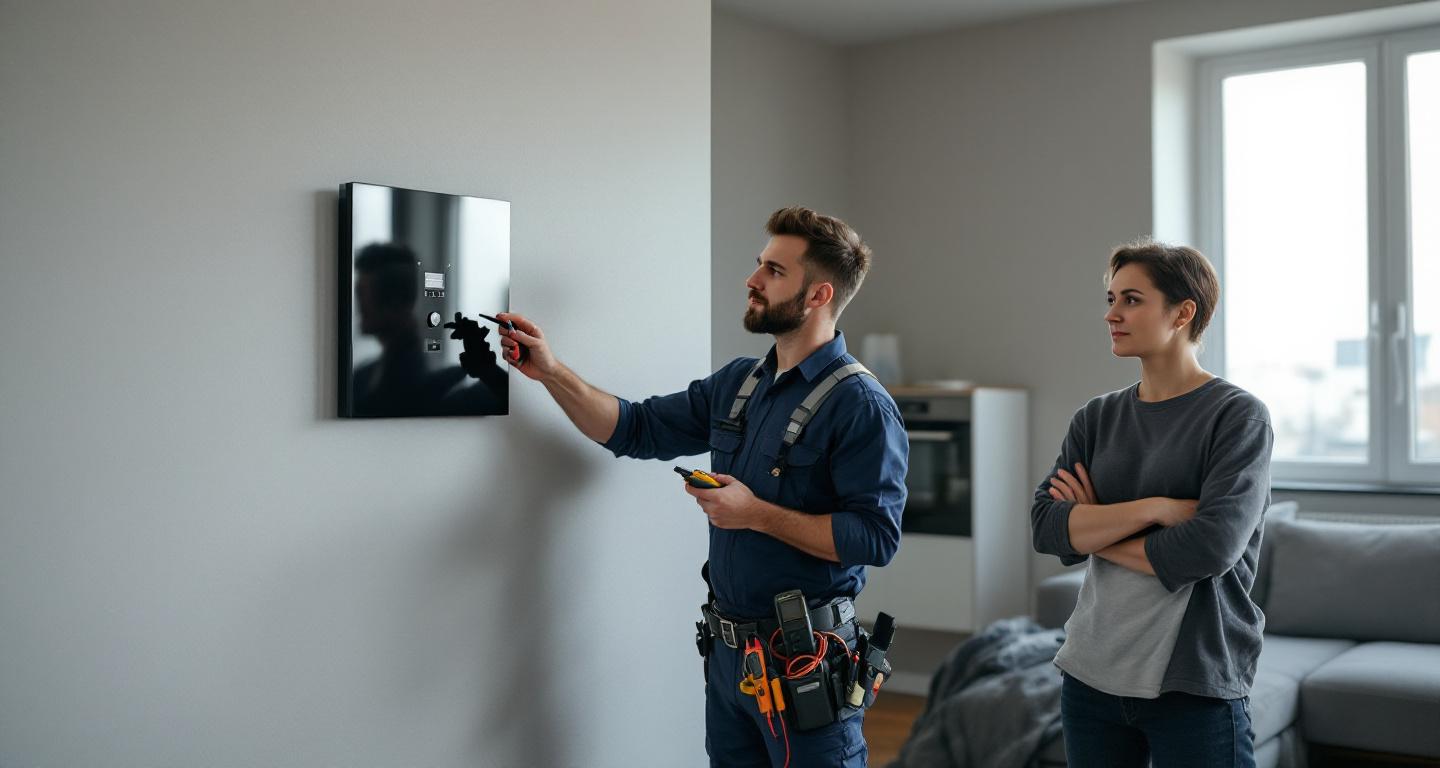
Ask about licensing, insurance, warranty terms, monitoring options, equipment specifications, installation timeline, and ongoing support. Verify credentials, understand total costs including monthly fees, and confirm they'll provide system training. These questions protect your investment and ensure professional service.
Why Do These Questions Matter for Your Security Investment?
Your home security system represents a significant investment in your family's safety and peace of mind. The quality of your installer directly impacts system performance, reliability, and your long-term satisfaction. Professional installers understand that educated customers make better decisions and have realistic expectations. They welcome detailed questions because it demonstrates your commitment to the process. The right installer will provide clear, detailed answers and never pressure you to make quick decisions. When someone has been recommended through trusted networks, they've already proven their ability to communicate effectively and deliver quality work. This foundation of trust makes the questioning process collaborative rather than adversarial.
What Credentials and Qualifications Should You Verify?
Before discussing system details, establish that you're working with legitimate professionals:
- Request their business license number and verify it's current with your state or local authority
- Ask for proof of liability insurance and workers' compensation coverage
- Inquire about industry certifications from organizations like ESA (Electronic Security Association)
- Confirm how long they've been in business and ask for local references
- Verify they're authorized dealers for the equipment brands they recommend
- Ask about background checks performed on their technicians who enter homes
How Should You Evaluate Equipment and Technology Options?
Understanding your system's components helps you make informed decisions and spot potential overselling. Ask about the specific brands and models they recommend, and why those particular products suit your situation. Professional installers can explain the differences between basic and premium equipment in terms you understand. They should discuss wireless versus hardwired options, battery life expectations, and upgrade possibilities. Smart home integration capabilities are increasingly important, so ask about compatibility with existing devices like thermostats, lighting, or voice assistants. Request information about the equipment's warranty coverage and what happens if components fail. Quality installers often prefer certain brands because of reliability and service support, and they can explain these preferences clearly.
What Monitoring and Response Questions Are Critical?
Your ongoing monitoring service is as important as the equipment itself:
- Where is the monitoring center located and is it staffed 24/7?
- What's the average response time for alarm signals?
- How do they handle false alarms and what are potential penalties?
- Can you self-monitor or use third-party monitoring services?
- What happens during power outages or internet disruptions?
- How do they verify emergencies before contacting authorities?
- What communication methods do they use (cellular, landline, internet)?
- Are there backup communication systems in place?
What Should You Know About Installation Process and Timeline?
Professional installers follow systematic processes and can provide realistic timelines. Ask about their installation schedule and how weather or other factors might affect timing. Understand what preparation work you need to complete before they arrive, such as clearing access areas or relocating furniture. Discuss how they protect your home during installation, including floor coverings and cleanup procedures. Ask about testing procedures and how long the complete installation and testing process takes. Quality installers will explain each step and ensure you understand how to operate basic functions before they leave. They should also discuss the break-in period for new systems and when full monitoring begins. Understanding the process helps you plan accordingly and sets appropriate expectations.
What Cost and Contract Terms Need Clarification?
Get complete financial clarity before signing anything:
- Total equipment costs itemized by component
- Installation fees and any additional service charges
- Monthly monitoring fees and contract length requirements
- Early termination fees and contract transfer options
- Costs for service calls, repairs, and system changes
- Price increases and contract renewal terms
- Payment methods accepted and any financing options
- Warranty coverage periods for equipment and labor
How Do You Ensure Ongoing Support and Maintenance?
Your relationship with the security company extends far beyond installation day. Ask about their customer service availability and typical response times for non-emergency issues. Understand their troubleshooting process and whether they provide phone support for basic questions. Discuss scheduled maintenance requirements and who performs routine system checks. Ask about software updates for smart security systems and whether these happen automatically or require service visits. Find out their policy for equipment upgrades and system expansions as your needs change. Quality companies maintain detailed service records and can provide system history when needed. They should also offer user training resources, whether through online materials, videos, or in-person sessions.
What Training and Documentation Will You Receive?
Proper training ensures you can effectively use your investment and avoid false alarms. Ask what training they provide during installation and whether they offer follow-up sessions. Request information about user manuals, quick reference guides, and online resources. Discuss how to add or delete user codes and whether you can make these changes yourself. Ask about smartphone app training if your system includes mobile access. Understanding basic troubleshooting helps you resolve minor issues without service calls. Professional installers create system documentation that includes zone maps, contact information, and important account details. This documentation proves invaluable for future service needs or if you decide to switch monitoring companies.
Frequently Asked Questions
Should I get quotes from multiple security installers?
Yes, comparing 2-3 detailed quotes helps you understand market pricing and service differences. Focus on total costs including equipment, installation, and monthly fees rather than just upfront prices.
How long should a security system installation take?
Typical installations take 3-6 hours depending on system complexity and home size. Larger systems with multiple zones or smart home integration may require a full day or multiple visits.
Can I negotiate security system prices and contracts?
Many companies offer flexibility on equipment packages, contract terms, and monitoring fees. Professional installers often have authority to adjust proposals to meet your budget and needs.
What happens if my security installer goes out of business?
Choose companies with established track records and ask about equipment portability. Most systems can be transferred to new monitoring services, though you may need professional assistance with the transition.
Should I buy security equipment online and hire someone to install it?
Professional installation typically includes warranty coverage, system integration, and ongoing support that DIY installations lack. The cost difference often justifies professional service for complex systems.
How do I verify a security installer's references?
Ask for recent local customers and contact them directly. Ask about installation quality, ongoing service, and whether they'd hire the company again. Check online reviews and Better Business Bureau ratings.
Find Trusted Security Installers in Your Network
Instead of starting your search from scratch, tools like Linked By Six show you which security companies your friends, neighbors, and colleagues have actually used and trusted. See real recommendations from your extended network before you even start calling for quotes.
Asking the right questions protects both your investment and your family's security. Professional installers welcome detailed discussions because they understand that informed customers make better partners in the security process. Focus on credentials, system capabilities, ongoing costs, and long-term support rather than just upfront pricing. Remember that the lowest bid rarely provides the best value when it comes to security systems. When you find installers through trusted networks, you're starting with professionals who have already demonstrated their ability to communicate clearly and deliver quality work. Take time to ask these questions thoroughly – your peace of mind depends on making an informed decision.