
7 Essential Questions to Ask a Pet Groomer
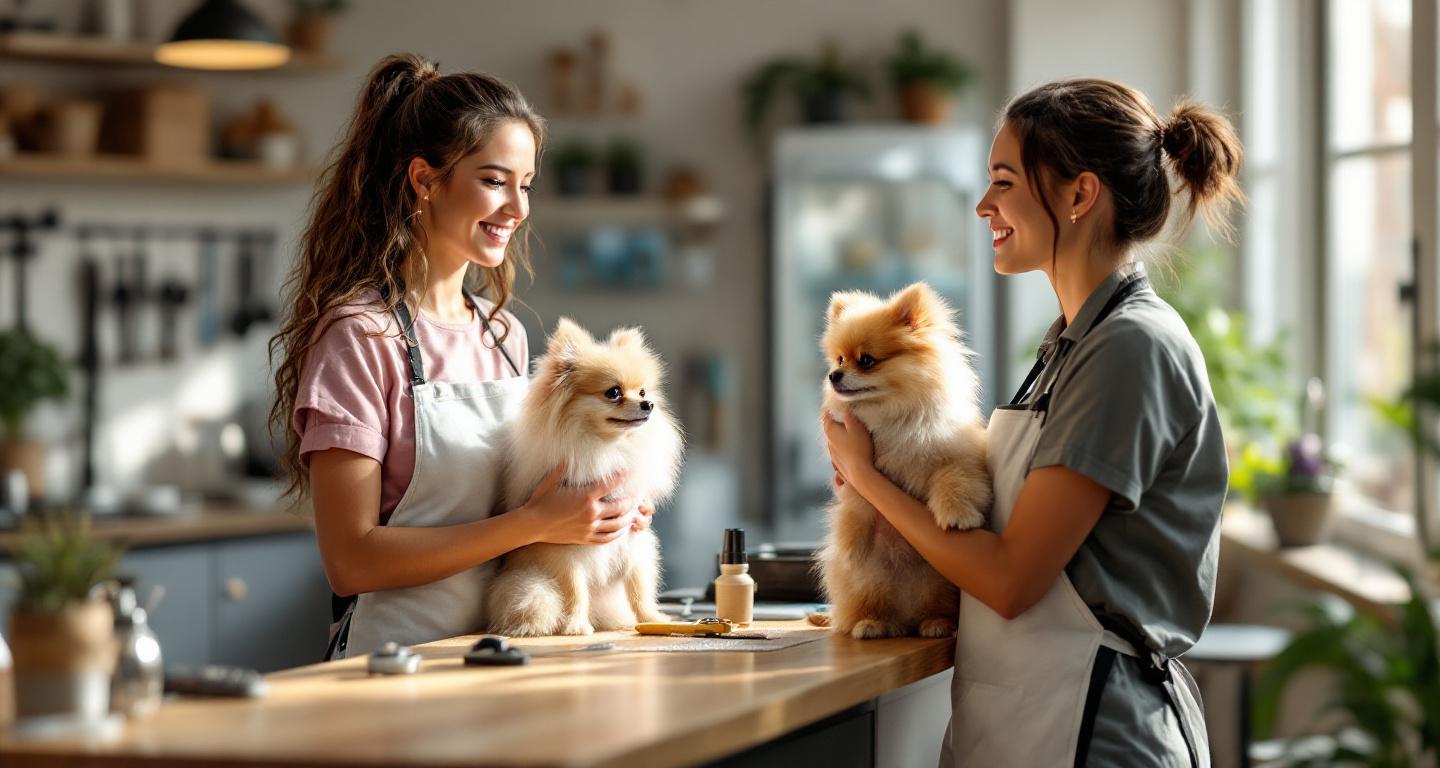
Ask about their certification, experience with your breed, safety protocols, pricing structure, handling of anxious pets, and what's included in services. Also inquire about their facility cleanliness standards and emergency procedures to ensure your pet receives safe, professional care.
Why Does Asking the Right Questions Matter?
Your pet's grooming experience can significantly impact their stress levels and overall well-being. A skilled groomer doesn't just make your pet look good—they ensure safety, comfort, and positive associations with grooming that last a lifetime. The right questions help you identify groomers who prioritize your pet's individual needs over quick turnover. Professional groomers welcome detailed questions because they understand that informed pet owners make the best clients. When you ask thoughtful questions, you're also signaling that you're a responsible pet owner who values quality care, which often results in better service.
What Training and Experience Should You Ask About?
A groomer's background directly impacts the quality and safety of service your pet receives. Here's what to explore:
- Ask about formal training or certification from recognized grooming schools or organizations like the National Dog Groomers Association
- Inquire about their experience with your specific breed, as different coats require specialized techniques and tools
- Find out how long they've been grooming professionally and whether they pursue continuing education
- Ask if they have experience handling pets with special needs, anxiety, or behavioral challenges
- Request information about any additional certifications in pet first aid or animal behavior
How Should You Evaluate Their Safety Protocols?
Safety should be your top priority when selecting a groomer. Ask about their restraint methods—professional groomers use minimal, humane restraints and never leave pets unattended on grooming tables. Inquire about their sanitization procedures between clients and how they handle tools and equipment. Find out what happens if your pet becomes stressed or aggressive during grooming, and whether they have protocols for medical emergencies. A reputable groomer will also ask about your pet's health conditions, medications, and any areas of sensitivity before beginning any service.
What Pricing and Service Questions Are Important?
Understanding costs upfront prevents surprises and helps you budget appropriately:
- Request a detailed breakdown of pricing for different services and what each includes
- Ask about additional fees for matting, difficult behavior, or extra-large pets
- Inquire about their cancellation policy and rescheduling procedures
- Find out if they offer package deals or loyalty programs for regular clients
- Ask how they handle pricing for pets that require extra time or special attention
- Clarify what happens if your pet needs additional services discovered during grooming
How Do They Handle Anxious or Difficult Pets?
Every pet has different comfort levels with grooming, and professional groomers should have strategies for various temperaments. Ask about their approach to calming anxious pets and whether they use positive reinforcement techniques. Find out if they're willing to do shorter sessions for pets who need to build up tolerance gradually. Some groomers offer "happy visits" where pets can visit the salon just for treats and socialization. Ask about their policy for pets who become too stressed—the best groomers will prioritize your pet's mental health over completing a service.
What Should You Look for During a Facility Tour?
A reputable groomer should welcome you to see their workspace. Use this checklist during your visit:
- Clean, well-organized grooming stations with proper ventilation
- Secure holding areas that are clean and appropriately sized
- Proper lighting and non-slip surfaces on grooming tables
- Clean, well-maintained grooming tools and equipment
- Separate areas for different stages of grooming process
- Emergency contact information and first aid supplies visible
- Professional licenses and certifications displayed
- Calm atmosphere without excessive noise or chaos
What Communication Style Works Best for You?
Grooming is an ongoing relationship, not a one-time transaction. Ask about their communication preferences and how they handle concerns or special requests. Find out if they're willing to send photos during longer grooming sessions or call if they discover any health issues like skin problems or ear infections. Some groomers maintain detailed records of each pet's preferences and any issues that arise. Ask about their policy for addressing dissatisfaction with services and how they handle requests for adjustments to your pet's cut or style.
How Can You Verify Their Reputation?
While online reviews provide some insight, personal recommendations from people whose judgment you trust carry more weight. Professional groomers often work closely with local veterinarians, pet stores, and dog trainers who can speak to their reputation within the pet care community. Ask the groomer for references from long-term clients, particularly those with pets similar to yours. You can also check with your veterinarian's office—they often know which groomers in the area provide quality care and maintain good relationships with the veterinary community.
The best groomers are partners in your pet's health and happiness. They should be as invested in your pet's well-being as you are, not just focused on getting through their appointment schedule.
Dr. Jennifer Walsh, Veterinary Behaviorist
Frequently Asked Questions
How far in advance should I book a grooming appointment?
Most quality groomers book 2-4 weeks in advance, especially for popular time slots. New client consultations may have shorter wait times, allowing you to meet the groomer and assess the facility before committing to regular appointments.
Should I stay during my pet's first grooming session?
Many groomers prefer owners leave after the initial consultation, as pets often behave better without their owners present. However, reputable groomers accommodate nervous pet parents and may allow brief visits for anxious pets.
What if my pet has never been groomed before?
Experienced groomers offer puppy introductions or first-time grooming packages with shorter sessions focused on positive experiences. Ask about their approach to introducing pets to grooming tools, sounds, and handling procedures gradually.
How often should I have my pet professionally groomed?
Frequency depends on your pet's breed, coat type, and lifestyle. Most dogs need professional grooming every 4-8 weeks, while cats may need it less frequently. Your groomer can recommend a schedule based on your pet's specific needs.
What should I do if I'm not satisfied with the grooming results?
Professional groomers should have a clear policy for addressing concerns. Contact them within 24-48 hours to discuss issues. Most reputable groomers will offer adjustments or partial refunds for legitimate concerns about their work.
Is it normal for pets to be tired after grooming?
Yes, grooming can be mentally and physically tiring for pets, especially longer sessions. However, excessive stress, lethargy, or behavioral changes may indicate the grooming experience was too stressful, and you should discuss alternatives with your groomer.
Find Trusted Pet Groomers Through Your Network
The best pet groomers often come recommended by people you trust—fellow pet owners who've had positive experiences. Tools like Linked By Six automatically show you which local groomers your friends, colleagues, and neighbors actually use and recommend, giving you confidence before you book that first appointment.
Choosing the right pet groomer requires more than comparing prices or reading online reviews. By asking detailed questions about training, safety protocols, and communication style, you're setting both yourself and your pet up for positive grooming experiences. Remember that grooming is an ongoing relationship—the right groomer will welcome your questions and work with you to ensure your pet's comfort and well-being. Take time to visit facilities, meet potential groomers, and trust your instincts about who seems genuinely invested in your pet's care. A good groomer becomes an invaluable partner in maintaining your pet's health and happiness for years to come.