
8 Essential Questions to Ask Any Auto Body Shop
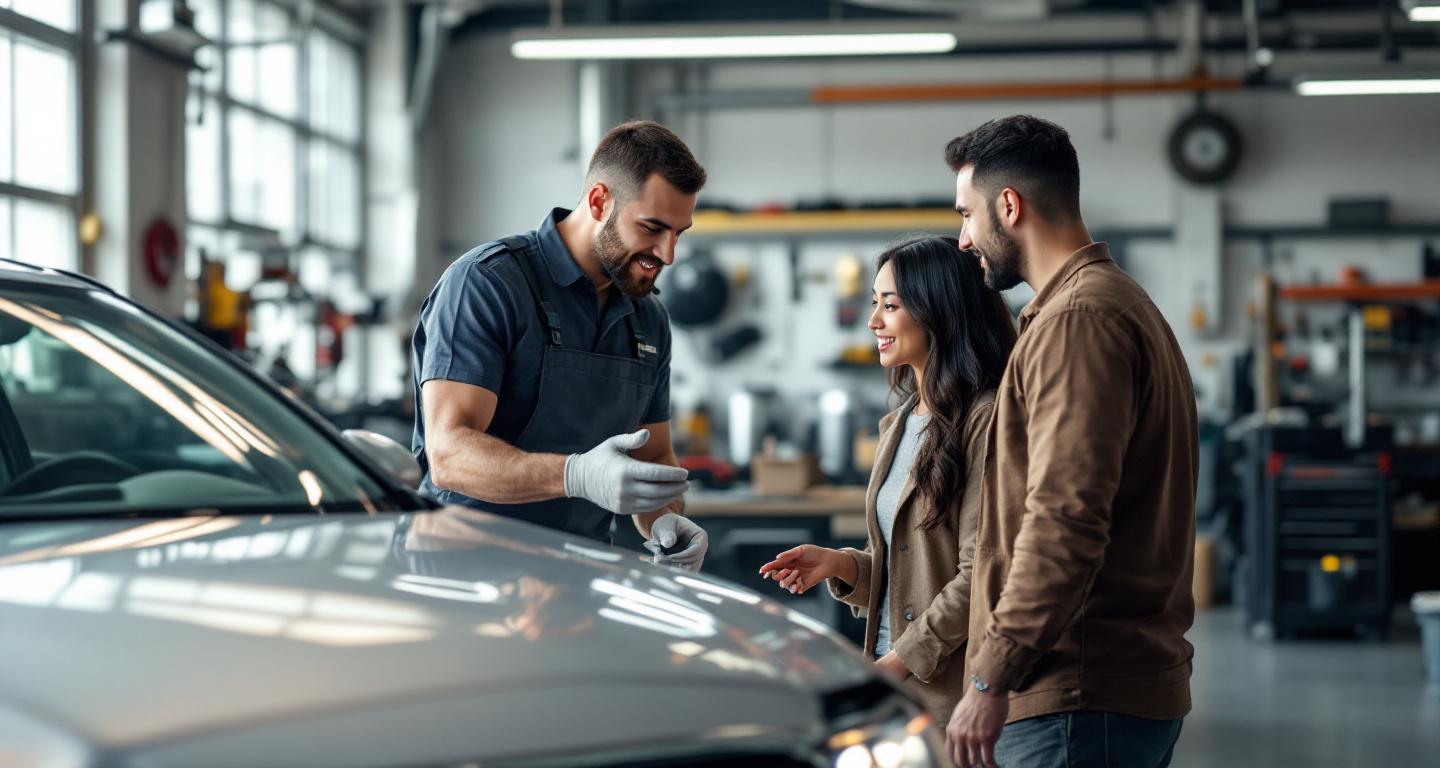
Ask about certifications, insurance partnerships, warranty coverage, repair timeline, original vs. aftermarket parts, payment terms, and whether they handle your insurance claim directly. These questions reveal quality standards and help avoid costly surprises.
Why These Questions Matter More Than You Think
Choosing the wrong auto body shop can cost you thousands and leave you with subpar repairs that affect your car's safety and resale value. The questions you ask upfront reveal whether a shop operates with integrity, uses quality materials, and stands behind their work. Professional shops welcome detailed questions—they understand that informed customers make better decisions and have realistic expectations. Shops that seem rushed, evasive, or annoyed by your questions are often hiding something important about their processes or quality standards.
What Certifications and Training Should They Have?
Proper certifications indicate that technicians receive ongoing training on modern repair techniques and safety standards. Look for these specific credentials:
- ASE (Automotive Service Excellence) certification for collision repair technicians
- I-CAR (Inter-Industry Conference on Auto Collision Repair) training completion
- Manufacturer-specific certifications for your vehicle brand (especially important for luxury or newer vehicles)
- Welding certifications for structural repairs
- Paint manufacturer certifications for color matching and application techniques
How Do They Handle Insurance Claims and Payments?
Insurance claim handling separates experienced shops from amateurs. Ask if they work directly with your insurance company and whether they're a preferred provider in your insurer's network. Preferred shops often streamline the claims process and may offer additional guarantees. Find out if they handle the insurance paperwork, coordinate with adjusters, and manage rental car arrangements. For payment, clarify whether you pay the deductible upfront or after completion, and what happens if additional damage is discovered during repairs. Quality shops provide clear, written estimates and explain any potential additional costs before starting work.
What Should You Know About Parts and Materials?
The parts and materials used directly impact repair quality, safety, and your vehicle's value. Ask these specific questions:
- Do they use OEM (Original Equipment Manufacturer), aftermarket, or recycled parts?
- How do they determine which type of parts to use for each repair?
- Can you request OEM parts if you're willing to pay the difference?
- What paint systems do they use and how do they ensure color matching?
- Do they have relationships with parts suppliers that ensure quick availability?
What Timeline Should You Expect?
Realistic timelines prevent frustration and help you plan alternative transportation. Ask for a detailed timeline that includes parts ordering, actual repair time, and potential delays. Professional shops factor in parts availability, paint curing time, and quality control inspections. Be wary of shops that promise unrealistically fast completion—quality repairs take time. Ask what happens if delays occur and how they communicate updates. Many shops now provide digital updates with photos showing repair progress, which demonstrates transparency and professionalism.
What Warranty Coverage Do They Provide?
Comprehensive warranty coverage shows confidence in workmanship and provides protection for your investment. Ask about warranty duration, what's covered (labor, parts, paint), and whether the warranty is transferable if you sell the vehicle. National chain shops often provide nationwide warranty coverage, while independent shops may offer local coverage. Get warranty details in writing and understand the process for warranty claims. Ask about coverage for related issues that might appear months after the initial repair, as some problems only become apparent over time.
Pre-Repair Checklist: Questions to Ask Before Signing
- Can I see examples of similar repairs they've completed?
- Will they document pre-existing damage to avoid disputes later?
- How do they protect my vehicle's interior during repairs?
- What's their policy on test drives and quality inspections?
- Can they provide references from recent customers?
- Do they guarantee their color matching and paint work?
- What happens if I'm not satisfied with the completed repair?
- Will they explain the repair process and show me damaged parts?
How Do They Handle Quality Control and Final Inspection?
Professional shops have systematic quality control processes that ensure consistent results. Ask about their inspection procedures, who conducts final quality checks, and whether you'll receive a detailed explanation of completed work. Many quality shops use multi-point inspection checklists and may invite you to review the repair with a technician before final approval. Ask if they road test vehicles after mechanical repairs and how they verify proper alignment and function of safety systems. Understanding their quality control process helps you gauge their professionalism and attention to detail.
The best auto body shops treat every vehicle like it belongs to a family member. They take time to explain the process, show you the damage, and make sure you understand what they're going to do and why.
Mike Rodriguez, ASE Master Technician with 20 years in collision repair
What Red Flags Should You Watch For?
Certain responses or behaviors indicate shops you should avoid. Be cautious if they:
- Refuse to provide written estimates or rush you to sign agreements
- Cannot show proof of proper licensing and insurance coverage
- Offer prices significantly lower than other estimates without explanation
- Pressure you to use their preferred insurance company or financing
- Cannot provide references or examples of previous work
- Seem disorganized or unable to answer basic questions about their processes
- Request full payment upfront or ask for payment in cash only
How Should You Evaluate Their Communication Style?
Communication quality predicts your entire repair experience. Pay attention to how staff explains technical issues, whether they listen to your concerns, and how they handle questions. Professional shops provide clear explanations without condescending language and respect your time by being punctual for appointments. They should willingly show you damage, explain repair options, and discuss cost differences between approaches. Good communication includes proactive updates about timeline changes, unexpected discoveries, or additional work needed. If communication feels rushed, dismissive, or unclear during your initial visit, it likely won't improve during the repair process.
Frequently Asked Questions
Should I get multiple estimates before choosing an auto body shop?
Yes, get at least three estimates to compare pricing, repair approaches, and timelines. Significant price differences often reflect variations in parts quality, labor standards, or shop overhead costs.
How long should a typical auto body repair take?
Minor repairs typically take 2-5 days, while major collision damage can require 1-3 weeks. Timeline depends on parts availability, paint curing time, and shop workload.
What's the difference between OEM and aftermarket parts?
OEM parts are made by your vehicle's manufacturer and match original specifications exactly. Aftermarket parts are made by third parties and may vary in quality and fit.
Can I choose my own auto body shop if insurance is paying?
Yes, you can choose any licensed shop regardless of your insurance company's preferred provider network, though using network shops may offer additional benefits.
How do I know if an auto body shop is properly licensed?
Ask to see their business license and liability insurance certificates. Most states have online databases where you can verify licensing and check for complaints or violations.
What should I do if I'm not satisfied with the completed repair?
Document your concerns with photos, discuss them with the shop manager first, and reference your warranty coverage. Most professional shops will address legitimate quality issues promptly.
Find Auto Body Shops Your Network Trusts
Skip the guesswork of finding reliable auto body shops. Tools like Linked By Six automatically show you which local shops your friends, family, and colleagues have used and trusted—giving you confidence before you even walk in the door. See real connections and experiences from people you know, not anonymous online reviews.
Asking the right questions upfront saves time, money, and frustration throughout your auto body repair experience. Professional shops welcome detailed questions and provide clear, comprehensive answers about their processes, materials, and guarantees. Take time to evaluate their certifications, insurance handling, warranty coverage, and communication style. Remember that the cheapest option rarely delivers the best value—focus on shops that demonstrate expertise, transparency, and genuine commitment to quality workmanship. Your vehicle's safety and your peace of mind depend on choosing a shop that earns your trust through their knowledge and professionalism, not just their competitive pricing.