
Essential Pet Grooming Guide: Every Breed's Needs
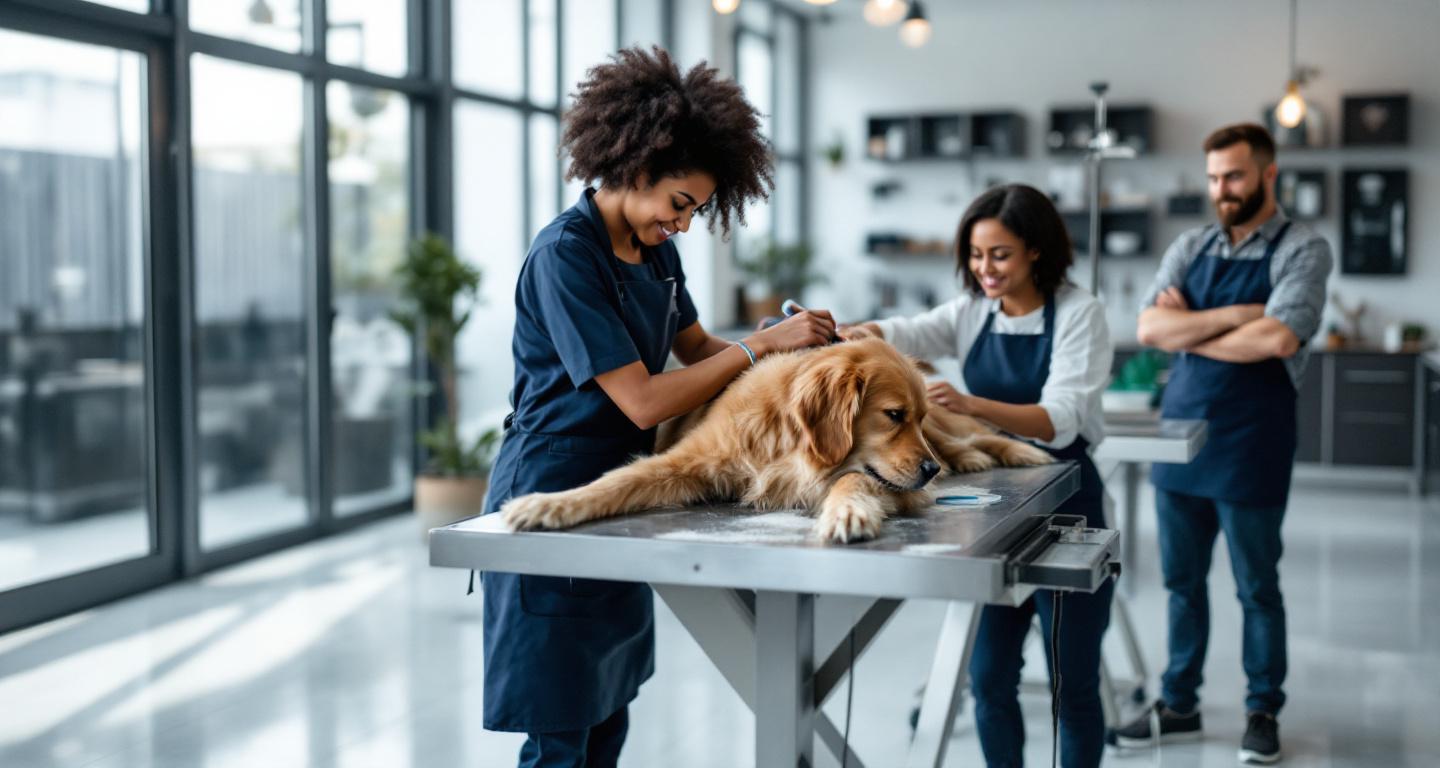
Essential pet grooming routines vary by breed but include daily brushing for long-haired pets, weekly baths for active dogs, monthly nail trims, and regular ear cleaning. Short-haired breeds need less frequent brushing but consistent maintenance schedules.
Why Does Breed-Specific Grooming Matter?
Every pet breed has unique grooming requirements based on their coat type, skin sensitivity, and lifestyle needs. A Poodle's curly coat requires completely different care than a Beagle's short fur. Understanding these differences prevents skin issues, matting, and discomfort while keeping your pet healthy and happy. Breed-specific grooming also helps you spot health problems early, from skin conditions to ear infections. Professional groomers understand these nuances and can create customized care plans. However, daily maintenance at home remains crucial regardless of professional grooming schedules. The right routine strengthens your bond with your pet while ensuring their comfort and well-being.
What Are the Core Grooming Steps for Every Pet?
These fundamental steps apply to all pets, though frequency varies by breed:
- Brushing and combing to remove loose fur and prevent matting
- Bathing with breed-appropriate shampoo and water temperature
- Nail trimming to prevent overgrowth and splitting
- Ear cleaning to remove wax buildup and prevent infections
- Teeth brushing or dental chews for oral health
- Eye cleaning for breeds prone to tear staining
- Sanitary area trimming for hygiene and comfort
How Often Should Long-Haired Breeds Be Groomed?
Long-haired breeds like Golden Retrievers, Afghan Hounds, and Persian cats require daily brushing to prevent painful matting. These pets need professional grooming every 6-8 weeks, with baths every 2-3 weeks depending on activity level. Daily brushing sessions should last 10-15 minutes, working in sections from skin to tip. Pay special attention to high-friction areas like behind ears, under arms, and rear legs where mats form quickly. Use a slicker brush followed by a metal comb to catch any missed tangles. Regular brushing distributes natural oils, reduces shedding, and allows you to check for skin issues. During shedding seasons, increase brushing frequency to prevent your home from being overwhelmed with fur.
What Do Short-Haired Breeds Need?
Short-haired pets like Boxers, Bulldogs, and domestic shorthair cats have simpler but still important grooming needs:
- Weekly brushing with a rubber brush or grooming mitt to remove loose hair
- Monthly baths unless they get particularly dirty or smelly
- Bi-weekly nail trims since they may not wear down naturally
- Weekly ear checks and cleaning as needed
- Daily teeth brushing or dental treats for oral health
- Regular skin checks for bumps, cuts, or irritation
Which Breeds Require Special Grooming Techniques?
Certain breeds need specialized approaches due to their unique coat types or physical characteristics. Poodles and Doodle mixes require professional clipping every 6-8 weeks to prevent severe matting of their curly coats. Double-coated breeds like German Shepherds and Huskies should never be shaved, as this disrupts their natural temperature regulation. Instead, they need thorough brushing with an undercoat rake during shedding seasons. Wrinkled breeds like Shar Peis and English Bulldogs need daily cleaning of their skin folds to prevent bacterial infections. Flat-faced breeds require gentle handling during baths to avoid breathing difficulties. Hairless breeds like Chinese Cresteds need sunscreen and moisturizing routines similar to human skincare.
Essential Grooming Supplies Checklist
Gather these tools for effective at-home grooming:
- Slicker brush for removing mats and tangles
- Undercoat rake for double-coated breeds
- Metal comb for final checks and detailed work
- Nail clippers appropriate for your pet's size
- Pet-specific shampoo and conditioner
- Ear cleaning solution and cotton balls
- Toothbrush and pet-safe toothpaste
- Grooming table or non-slip mat for safety
- High-value treats for positive reinforcement
- Towels and blow dryer designed for pets
How Do You Choose a Professional Groomer?
Finding a skilled, trustworthy groomer is crucial for your pet's safety and comfort. Look for certified professionals with specific experience in your pet's breed. A quality groomer will ask about your pet's temperament, health issues, and grooming history before starting. They should welcome you to tour their facility and meet your pet before the first appointment. Red flags include unwillingness to answer questions, unsanitary conditions, or rushed handling of anxious pets. The best groomers build relationships with both pets and owners, tracking preferences and health changes over time. They'll also educate you about at-home maintenance between appointments. Quality grooming services invest in continuing education and stay current with breed-specific techniques and safety protocols.
What Seasonal Adjustments Should You Make?
Pet grooming needs change throughout the year based on weather, activity levels, and natural shedding cycles. Spring brings heavy shedding as winter coats are lost, requiring daily brushing for most breeds. Summer may necessitate more frequent baths for active outdoor pets, plus attention to paw pad care from hot pavement. Fall preparation includes building up coats for winter while managing increased shedding. Winter requires moisturizing for dry skin and protecting paws from salt and ice. Indoor heating can cause skin dryness, making regular brushing and occasional conditioning treatments important. Adjust bathing frequency based on your pet's lifestyle—outdoor adventurers need more frequent cleaning than indoor companions. Always consider your local climate and your pet's individual needs when planning seasonal grooming adjustments.
Frequently Asked Questions
How often should I bathe my dog?
Most dogs need baths every 4-6 weeks, but active outdoor dogs may need weekly baths while indoor pets with healthy coats can go 8-12 weeks between baths.
Can I groom my pet at home?
Basic maintenance like brushing, nail trims, and baths can be done at home, but professional grooming every 6-12 weeks ensures proper technique and health checks.
What if my pet hates being groomed?
Start slowly with short, positive sessions using treats and praise. Gradually increase duration and intensity. Some anxious pets benefit from anti-anxiety aids or sedation from veterinarians.
How much does professional pet grooming cost?
Professional grooming typically costs $30-150 depending on pet size, coat condition, and services needed. Regular maintenance is more affordable than fixing severely matted coats.
When should I start grooming my puppy or kitten?
Begin gentle handling and short grooming sessions at 8-12 weeks old. Professional grooming can start after vaccinations are complete, usually around 16 weeks.
What's the difference between a groomer and a veterinarian for skin issues?
Groomers handle cosmetic and maintenance needs, while veterinarians diagnose and treat medical conditions. Groomers often spot issues early and can recommend veterinary consultation when needed.
Find Trusted Pet Groomers in Your Area
Finding a groomer you can trust with your beloved pet shouldn't be left to chance. Tools like Linked By Six automatically show you which local pet groomers your friends and neighbors already trust, giving you confidence in your choice before you book that first appointment.
Proper grooming is essential for every pet's health, comfort, and happiness, but the specific needs vary dramatically by breed. While daily brushing and basic care can be handled at home, establishing a relationship with a professional groomer ensures your pet receives expert care tailored to their unique requirements. Remember that grooming is about more than appearance—it's a crucial part of preventive healthcare that helps you catch potential issues early. Start with gentle, positive experiences and build routines that work for both you and your pet. Whether you have a high-maintenance Poodle or a low-key Beagle, consistent grooming care will keep your companion healthy and strengthen the bond you share.