
Essential Follow-Up Questions Pet Owners Ask Veterinarians
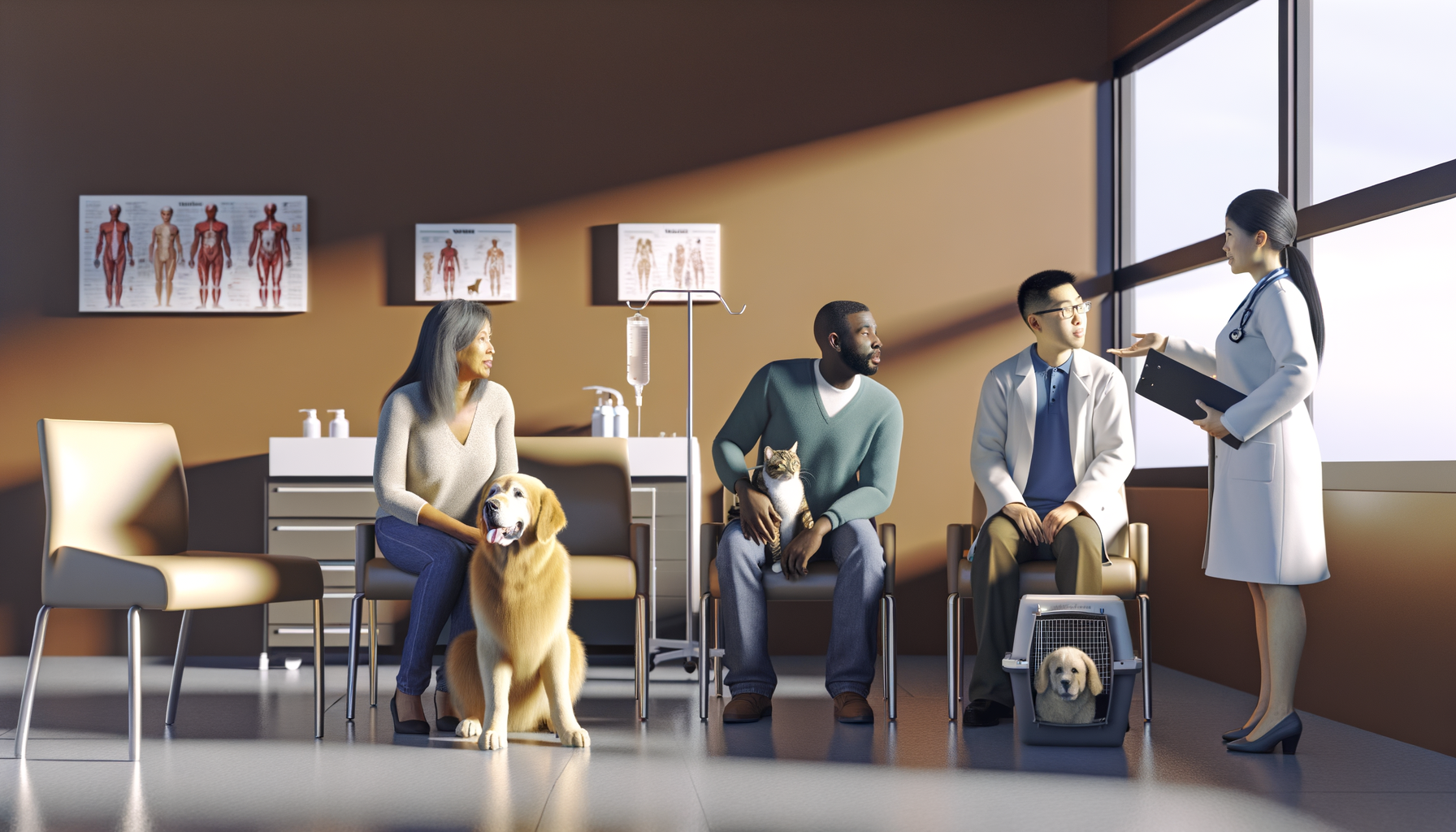
Pet owners typically ask veterinarians follow-up questions about medication schedules, warning signs to watch for, recovery timelines, dietary restrictions, activity limitations, and when to schedule the next appointment to ensure proper care.
Why Do Follow-Up Questions Matter in Veterinary Care?
The moments after a veterinary diagnosis or treatment recommendation can feel overwhelming. Your mind races with concerns about your pet's wellbeing, treatment costs, and what comes next. This is precisely when follow-up questions become crucial for your pet's health outcomes. Unlike human medicine, your pet cannot communicate their symptoms or concerns directly, making your role as an advocate even more critical. Veterinarians expect and welcome these questions because they demonstrate your commitment to your pet's care. The most successful treatment outcomes occur when pet owners fully understand their pet's condition, treatment plan, and ongoing care requirements. Building this understanding through thoughtful questions creates a partnership between you and your veterinarian that ultimately benefits your pet's long-term health and quality of life.
What Are the Most Common Medication-Related Questions?
Medication administration often generates the most follow-up questions from pet owners, and for good reason - proper dosing and timing are critical:
- How exactly should I give this medication if my pet resists taking pills or liquid medicines?
- What should I do if I miss a dose or accidentally give a double dose?
- Can this medication be given with food, or does it need to be administered on an empty stomach?
- How long before I should see improvement, and what signs indicate the medication is working?
- Are there any side effects I should watch for, and when should I contact you immediately?
- Can my pet take their regular supplements or other medications alongside this new treatment?
What Warning Signs Should Pet Owners Ask About?
Understanding what constitutes a veterinary emergency versus normal recovery can save your pet's life and spare you unnecessary panic. Pet owners consistently ask about red flags that require immediate attention versus symptoms that are part of the normal healing process. Your veterinarian should provide specific guidance about changes in appetite, behavior, bathroom habits, or physical symptoms that warrant concern. For surgical procedures, ask about normal versus abnormal appearance of incision sites, acceptable levels of swelling or discharge, and mobility expectations. With medical conditions, inquire about breathing changes, lethargy levels, or pain indicators that signal complications. Having these specific parameters helps you make informed decisions about whether to wait until morning, call the after-hours line, or head to an emergency clinic immediately.
How Should Pet Owners Approach Recovery Timeline Questions?
Recovery timelines help pet owners set realistic expectations and plan their schedules accordingly:
- When can my pet return to normal activities like walks, playing, or jumping on furniture?
- How long should I expect my pet to need pain medication or restricted activity?
- What milestones should I look for that indicate my pet is healing properly?
- When will my pet's energy levels and appetite return to normal?
- Should I expect any behavioral changes during recovery, and how long might they last?
What Dietary and Lifestyle Questions Come Up Most Often?
Pet nutrition and activity modifications frequently require clarification after the initial veterinary consultation. Owners want to know if their pet needs a special diet during recovery, whether treats are allowed, and how to handle feeding schedules around medication timing. Activity restrictions often need more detailed explanation - what constitutes 'restricted activity' for an active dog versus a sedentary cat? Can they go outside? Are stairs allowed? What about mental stimulation activities if physical activity is limited? Environmental modifications also generate questions: Should the litter box be moved for a cat recovering from surgery? Does a dog with joint issues need softer bedding? Understanding these practical daily life adjustments helps ensure your pet's comfort and promotes healing while maintaining their quality of life during recovery periods.
Essential Follow-Up Questions Checklist
Use this checklist to ensure you cover all important topics during your veterinary consultation:
- Ask for written instructions for all medications including dosing, timing, and administration tips
- Request specific warning signs that require immediate veterinary attention
- Clarify the expected recovery timeline and healing milestones to watch for
- Understand any dietary restrictions or special nutritional requirements
- Determine activity limitations and when normal exercise can resume
- Schedule the next follow-up appointment before leaving the clinic
- Get contact information for after-hours concerns or emergencies
- Ask about costs for ongoing treatment or follow-up care
When Should Pet Owners Schedule Follow-Up Appointments?
Follow-up appointment timing varies significantly based on your pet's condition and treatment plan. Surgical procedures typically require suture removal appointments 10-14 days post-surgery, but some conditions need evaluation much sooner. Chronic conditions like diabetes or kidney disease may require frequent monitoring initially, then less frequent check-ups as management stabilizes. New medications often warrant recheck appointments to assess effectiveness and monitor for side effects. Always ask your veterinarian when they want to see your pet next, rather than assuming you'll only return if problems arise. Preventive follow-ups often catch issues before they become serious complications. Some conditions require specific timing - for example, certain antibiotics need liver function monitoring after a specific number of days. Understanding the reasoning behind follow-up timing helps you prioritize these appointments and understand their importance in your pet's overall care plan.
The best pet owners are the ones who ask questions. I'd rather spend extra time explaining care instructions than have a pet suffer because their owner was afraid to ask for clarification.
Dr. Maria Rodriguez, Emergency Veterinarian
How Can Pet Owners Prepare for Effective Veterinary Communication?
Preparation transforms stressful veterinary visits into productive consultations that benefit your pet's health outcomes. Before appointments, write down your observations about your pet's symptoms, behavior changes, or concerns. Include specific details like frequency, duration, and circumstances surrounding any issues. Prepare a list of current medications, supplements, and recent diet changes. During the visit, don't hesitate to ask your veterinarian to repeat information or explain medical terms in simpler language. Request written instructions for complex care requirements, and ask if they have educational handouts about your pet's condition. Many veterinarians appreciate when owners take notes during consultations - it shows engagement and helps ensure compliance with treatment plans. If you're feeling overwhelmed, ask if a family member can join future appointments to help remember important information and provide support during difficult discussions about your pet's health.
Frequently Asked Questions
How many follow-up questions is too many during a vet visit?
There's no such thing as too many questions when it comes to your pet's health. Veterinarians expect and encourage questions because they lead to better treatment outcomes and show you're a committed pet owner.
Should I write down my questions before the veterinary appointment?
Yes, writing down questions beforehand ensures you don't forget important concerns during the stress of the appointment. It also helps you organize your thoughts and use appointment time efficiently.
What if I think of questions after leaving the veterinary clinic?
Most veterinary clinics welcome follow-up calls for clarification on treatment instructions. Many also offer client portals or email communication for non-urgent questions that arise after appointments.
How do I know if my follow-up question requires an emergency call?
Ask your veterinarian during the appointment to specify which symptoms or concerns warrant immediate contact versus what can wait until business hours or the next scheduled visit.
Can I ask about treatment costs during follow-up questions?
Absolutely. Understanding the financial commitment for ongoing treatment helps you make informed decisions about your pet's care and plan your budget accordingly. Most veterinarians appreciate cost transparency discussions.
Should I ask for second opinions during follow-up questions?
Yes, asking about second opinions is appropriate, especially for serious diagnoses or expensive treatments. Professional veterinarians understand and often encourage second opinions for complex cases.
Find Trusted Veterinarians in Your Network
Finding the right veterinarian who welcomes your questions and provides thorough explanations is crucial for your pet's wellbeing. Rather than searching through anonymous reviews, tools like Linked By Six show you which local veterinarians your friends and colleagues already trust - giving you confidence before you even make that first appointment.
Asking thoughtful follow-up questions during veterinary visits demonstrates your commitment to your pet's health and creates better outcomes for everyone involved. The most important questions cover medication administration, warning signs to monitor, recovery expectations, and follow-up care requirements. Remember that veterinarians want you to understand your pet's condition and treatment plan completely - your questions help them provide better care. Preparation and written notes ensure you cover all your concerns during appointments. Building a strong communication relationship with your veterinarian through engaged questioning creates a partnership that serves your pet's health needs for years to come.