
Essential Car Checks Before Long-Distance Driving
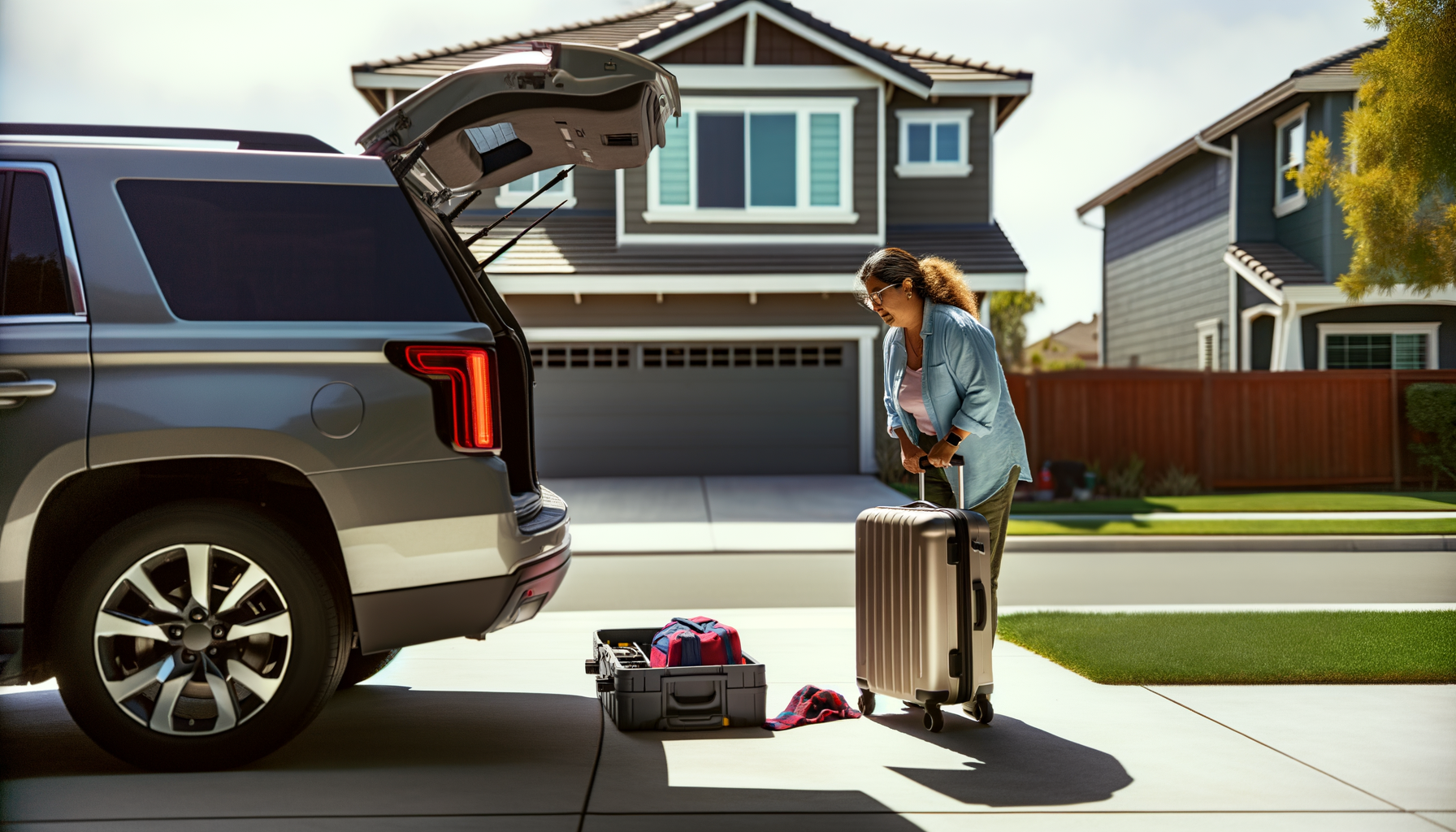
Before long-distance driving, check fluid levels (oil, coolant, brake), tire condition and pressure, lights, belts, battery, and emergency supplies. Verify recent maintenance records and ensure your spare tire is properly inflated.
Why Pre-Trip Inspections Matter More Than You Think
A breakdown 300 miles from home isn't just inconvenient—it's expensive, potentially dangerous, and could ruin your entire trip. AAA responds to over 32 million roadside assistance calls annually, with many occurring during peak travel seasons when families embark on long-distance journeys. The most frustrating part? Most of these breakdowns are preventable with proper preparation. Your car operates under significantly more stress during extended highway driving. Higher speeds, constant operation, and varying weather conditions push every system harder than daily commuting. A minor issue that might wait for your next scheduled maintenance could become a major problem when you're hours from home. Smart travelers understand that 30 minutes of inspection can prevent days of delays and potentially thousands in emergency repairs.
Essential Fluid Level Checks
Fluids are your car's lifeblood, and long drives can reveal marginal levels that seemed fine around town:
- Engine oil - Check level and color; dark, gritty oil should be changed
- Coolant - Verify level in overflow tank; look for leaks around hoses
- Brake fluid - Should be clear, not dark or contaminated
- Power steering fluid - Low levels cause steering difficulty
- Windshield washer fluid - Fill completely for bug and weather visibility
- Transmission fluid - Check while engine is warm and running
What Professional Mechanics Check for Tire Safety
Tire failures cause approximately 11,000 crashes annually, according to NHTSA data. Professional mechanics know that visual inspection alone isn't sufficient—you need systematic evaluation. Start with tread depth using the penny test: insert Lincoln's head upside down into the tread. If you can see his entire head, your tires need replacement before any long trip. Check tire pressure when tires are cold, preferably in the morning before driving. Highway speeds generate significant heat, and under-inflated tires can blow out catastrophically. Don't forget your spare tire—it's often overlooked until desperately needed. Examine sidewalls for cracks, bulges, or embedded objects. Uneven wear patterns indicate alignment issues that will worsen during extended driving. If your tires haven't been rotated recently, consider having this done before departure to ensure even wear distribution throughout your journey.
How to Inspect Your Car's Electrical Systems
Electrical failures can strand you in remote areas where help is hours away. Follow this systematic approach:
- Test all exterior lights with a helper: headlights (high and low beam), taillights, brake lights, turn signals, and hazards
- Check battery terminals for corrosion; clean with baking soda solution if needed
- Inspect battery case for cracks or swelling that indicate replacement needed
- Test windshield wipers on all speeds and verify washer spray pattern reaches entire windshield
- Verify air conditioning and heating systems work properly for comfort and safety
- Check that all interior lights, radio, and charging ports function correctly
When to Worry About Belts, Hoses, and Engine Components
Engine bay components work overtime during long-distance driving, and failure signs are often subtle. Serpentine belts should show no fraying, cracking, or glazing. A belt failure can disable your alternator, power steering, and cooling system simultaneously. Squeeze accessible hoses—they should feel firm, not spongy or hard and brittle. Look for white residue around connections, which indicates minor leaks that could worsen under highway stress. Listen to your engine during startup and idle. New noises, rough idling, or hesitation during acceleration need professional diagnosis before departure. Check your air filter; a clogged filter reduces performance and fuel economy when you need both most. If your car has over 75,000 miles and hasn't had recent belt replacement, consider having this done preventively. The cost of roadside belt replacement far exceeds scheduled maintenance.
What Emergency Supplies Do You Actually Need?
Professional drivers and automotive experts recommend these essential emergency items:
- Jumper cables or portable jump starter with USB charging capability
- Basic tool kit including screwdrivers, adjustable wrench, and tire pressure gauge
- Emergency tire sealant and 12V air compressor for minor tire issues
- Flashlight with extra batteries or hand-crank emergency radio
- First aid kit appropriate for your group size and any medical conditions
- Emergency water (1 gallon) and non-perishable snacks
- Reflective triangles or flares for roadside visibility
- Paper towels, wet wipes, and basic cleaning supplies
- Phone car charger and portable battery pack
- Emergency cash for situations where cards aren't accepted
How Recent Maintenance History Affects Trip Planning
Your maintenance records tell a story about your car's readiness for extended travel. If your last oil change was over 5,000 miles ago, change it before departure—highway driving is harder on oil than stop-and-go city driving. Timing belt replacement is critical for interference engines; if you're approaching the replacement interval, don't gamble with a long trip. Brake service becomes more important when you'll be carrying luggage and potentially driving in mountains or heavy traffic. Recent transmission service indicates your car can handle sustained highway speeds without overheating. Keep maintenance records accessible during travel—they help technicians diagnose problems quickly if issues arise. If you're approaching any major service interval, complete it before departure rather than hoping to reach your destination first.
Why Weather and Route Planning Matter for Car Preparation
Your preparation should match your intended route and expected conditions. Mountain driving requires excellent brakes and cooling system performance—heat buildup on long grades can cause catastrophic failures. Desert travel demands extra coolant capacity and emergency water supplies. Winter conditions need proper tires, antifreeze protection, and cold-weather emergency supplies. Check your route for construction delays that could extend driving time significantly. Long delays in summer heat stress cooling systems, while winter delays require additional warm clothing and supplies. Verify your insurance coverage includes roadside assistance in all states you'll visit. Some policies have geographic limitations that could leave you stranded. Research emergency services along your route—know where hospitals, tire shops, and dealerships are located in case of problems.
How to Find Trusted Mechanics Along Your Route
Preparation includes knowing where to get help if something goes wrong:
- Research ASE-certified shops in major cities along your route before departure
- Save contact information for dealerships that service your car brand
- Identify 24-hour service stations for emergency fuel or basic repairs
- Note locations of major tire chains that can provide quick replacements
- Document emergency numbers for your insurance and roadside assistance
- Keep a list of trusted mechanics in your destination city for longer stays
Frequently Asked Questions
How far in advance should I check my car before a long trip?
Check your car at least one week before departure. This provides time to address any discovered issues without rushing or paying emergency rates for parts and service.
What's the most important thing to check before long-distance driving?
Tire condition and pressure are most critical. Tire failures cause thousands of crashes annually and often occur during highway driving when tires are stressed by heat and sustained speeds.
Should I get an oil change before every long trip?
Change your oil if it's been over 5,000 miles or 6 months since the last change. Highway driving is harder on oil than city driving, requiring fresh lubrication.
What emergency supplies are actually necessary for road trips?
Essential items include jumper cables, basic tools, tire repair kit, flashlight, first aid supplies, emergency water, phone charger, and reflective triangles for roadside safety.
Can I drive long distances with a check engine light on?
Never ignore warning lights before long trips. Highway stress can turn minor issues into major failures. Get diagnostic testing done before departure to avoid roadside breakdowns.
How do I know if my car is too old for a long road trip?
Age matters less than maintenance history and current condition. Well-maintained older cars can be more reliable than neglected newer vehicles. Focus on recent service records and current performance.
Find Trusted Mechanics Before You Need Them
Don't wait until you're stranded to find reliable service. Tools like Linked By Six help you discover which mechanics and auto shops your friends and colleagues already trust—see your network's recommendations before you travel. Download our free road trip preparation checklist to ensure you've covered every essential safety check.
Proper pre-trip preparation transforms potentially stressful journeys into confident adventures. The 30 minutes you spend checking fluids, tires, lights, and emergency supplies could save you hours of roadside delays and hundreds in emergency repair costs. Remember that highway driving stresses every system in your car more than daily commuting—marginal components that work fine around town can fail catastrophically at sustained highway speeds. Your preparation should match your route's demands, whether that's mountain driving, desert conditions, or winter weather. Keep maintenance records accessible, research trusted service providers along your route, and never ignore warning signs your car displays. The goal isn't just reaching your destination—it's arriving safely, comfortably, and ready to enjoy your time away from home. Smart preparation ensures your vehicle serves as reliable transportation rather than the source of travel stress and unexpected expenses.