
8 Warning Signs Your Home Needs Electrical Service Now
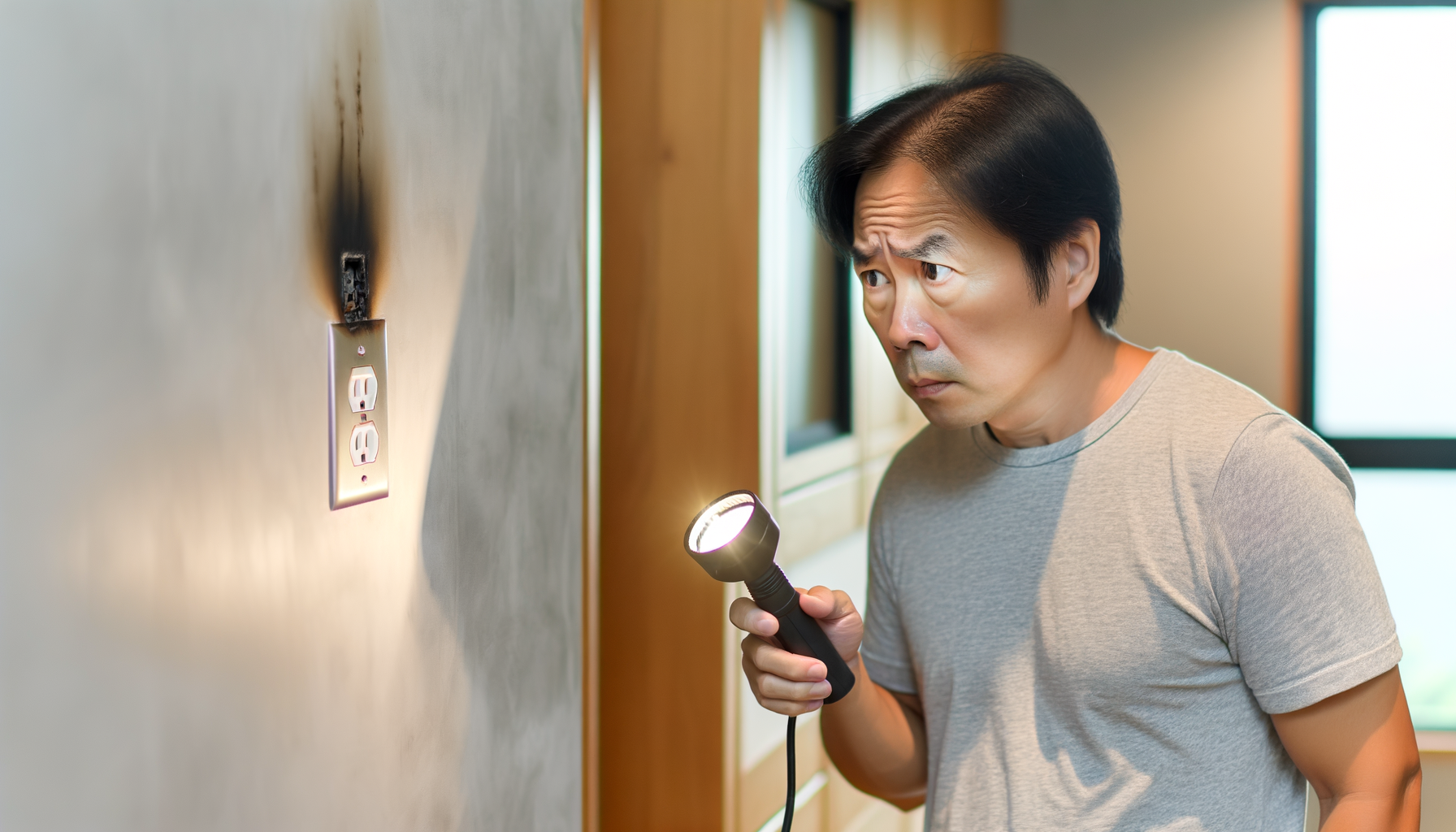
Key electrical warning signs include flickering lights, burning smells, warm outlets or switch plates, frequently tripping breakers, and buzzing sounds from electrical panels. These symptoms often indicate dangerous wiring issues that require immediate professional attention to prevent fires or electrocution.
Why Do Electrical Problems Develop Gradually?
Electrical systems deteriorate slowly over time, making warning signs easy to dismiss as minor annoyances. Wiring insulation breaks down, connections loosen, and circuits become overloaded as we add more devices to our homes. What starts as a occasionally flickering light can escalate into a house fire within months. The National Fire Protection Association reports that electrical failures cause over 13% of home fires annually, resulting in hundreds of deaths and billions in property damage. Understanding these warning signs isn't just about convenience—it's about protecting your family's safety and your most valuable investment.
What Are the Most Dangerous Electrical Warning Signs?
These symptoms indicate immediate electrical hazards that require professional attention within 24-48 hours:
- Burning smell from outlets, switches, or electrical panel—especially plastic or fish-like odors
- Outlets or switch plates that feel warm or hot to the touch
- Scorch marks, discoloration, or melted plastic around electrical components
- Sparks when plugging in or unplugging devices
- Electrical shocks from appliances, switches, or metal fixtures
- GFCI outlets that won't reset or trip repeatedly without cause
When Should Flickering Lights Concern You?
Not all flickering lights signal emergencies, but certain patterns indicate serious problems. Lights that dim when large appliances start up suggest your electrical system lacks adequate capacity for your home's demands. Flickering that occurs randomly throughout the house often points to loose connections in your main electrical panel—a fire hazard requiring immediate attention. Single fixtures that flicker consistently may have loose wiring connections that could overheat. However, if multiple lights flicker simultaneously without an obvious cause like starting appliances, your home's electrical system may be failing. Professional electricians can distinguish between minor issues and dangerous wiring problems through proper testing and inspection.
How Do You Identify Circuit Overload Problems?
Follow these steps to recognize when your electrical circuits are dangerously overloaded:
- Count how often circuit breakers trip—more than once monthly indicates overloading
- Notice if lights dim when you use hair dryers, microwaves, or other high-power devices
- Check if you rely heavily on extension cords or power strips for daily electrical needs
- Observe whether multiple outlets stop working simultaneously
- Test if you can't run several appliances at once without losing power
- Look for outlets that feel warm after use or smell like burning plastic
What Sounds Indicate Electrical Hazards?
Electrical systems should operate silently, making any unusual sounds cause for concern. Buzzing or crackling from your electrical panel suggests loose connections or failing breakers that could spark fires. Sizzling sounds from outlets or switches indicate dangerous arcing between electrical connections. Humming from light fixtures often signals ballast failures in fluorescent lights or incompatible dimmer switches with LED bulbs. These seemingly minor sounds represent electrical current jumping across gaps where solid connections should exist. Arcing generates intense heat that can ignite nearby materials instantly. Professional electricians use specialized equipment to locate and repair these dangerous connection problems before they cause fires or electrocution injuries.
Which Electrical Components Need Regular Inspection?
Monitor these electrical elements monthly for early warning signs of problems:
- GFCI outlets in bathrooms, kitchens, and outdoor areas—test monthly using built-in test buttons
- Electrical panel for signs of rust, scorch marks, or unusual warmth
- Extension cords for fraying, exposed wires, or damaged plugs
- Outlet covers and switch plates for cracks, discoloration, or loose mounting
- Light fixtures for flickering, buzzing, or excessive heat generation
- Ceiling fans for wobbling, unusual noises, or speed control problems
How Do Age and Home Modifications Affect Electrical Safety?
Homes built before 1970 often have electrical systems designed for far fewer devices than modern families use daily. Original wiring may lack sufficient capacity for computers, large-screen televisions, gaming systems, and multiple phone chargers running simultaneously. Additionally, previous homeowners may have added outlets, lights, or circuits without proper permits or professional installation. These DIY modifications frequently create hidden hazards that manifest years later as flickering lights, warm outlets, or tripping breakers. Aluminum wiring, common in homes built between 1965-1973, requires special attention as connections loosen over time, creating fire risks. Even professionally installed electrical systems need updates every 25-30 years as components wear out and electrical demands increase.
What Should You Document About Electrical Problems?
Keep detailed records to help electricians diagnose issues quickly and accurately:
- Date and time when electrical problems occur
- Specific locations of flickering lights, warm outlets, or unusual sounds
- Which appliances or activities trigger electrical issues
- Photos of any visible damage, scorch marks, or discoloration
- History of circuit breaker trips including affected areas
- Recent changes like new appliances or electrical work
Most electrical fires start weeks or months before they happen. Homeowners often ignore early warning signs like warm outlets or occasional flickering because the problems seem minor. Professional inspection at the first sign of electrical issues prevents 90% of residential electrical fires.
Mike Rodriguez, Master Electrician and Fire Safety Inspector
When Do Electrical Problems Require Emergency Service?
Some electrical warning signs demand immediate professional attention, regardless of time or day. Burning smells from electrical components indicate active overheating that could ignite surrounding materials within hours. Electrical shocks from appliances, switches, or metal fixtures suggest dangerous ground faults that pose electrocution risks. Sparking outlets or switches show electrical arcing that generates temperatures exceeding 3,000 degrees Fahrenheit. Multiple circuit breakers tripping simultaneously often indicates main electrical panel failures that could leave your home without power or create fire hazards. Water exposure to electrical components from leaks or flooding requires emergency shutdown and professional assessment. Trust your instincts—if electrical problems feel dangerous or unusual, emergency electrical service provides peace of mind and prevents catastrophic damage.
Frequently Asked Questions
How often should I have my home's electrical system inspected?
Professional electrical inspections are recommended every 10 years for newer homes and every 3-5 years for homes over 25 years old. Schedule immediate inspection if you notice any warning signs.
Can I reset a circuit breaker that keeps tripping?
You can reset a breaker once, but if it trips again immediately or repeatedly, stop and call an electrician. Continued tripping indicates dangerous overloads or wiring faults.
Why do my lights flicker when I use certain appliances?
Large appliances draw significant power when starting, causing voltage drops that dim lights. This suggests your electrical system may lack adequate capacity for your current electrical demands.
Are warm electrical outlets always dangerous?
Outlets should never feel warm or hot. Warm outlets indicate loose connections or overloaded circuits that can cause fires. Turn off the circuit and call an electrician immediately.
How do I know if my electrical panel needs replacement?
Replace panels over 25 years old, those with rust or scorch marks, Federal Pacific or Zinsco brands, or panels that can't handle your electrical needs safely.
What should I do if I smell burning plastic near electrical components?
Turn off the circuit breaker immediately and call an emergency electrician. Burning plastic smells indicate overheating electrical components that could ignite fires within hours.
Find a Trusted Local Electrician
When electrical warning signs appear, you need an electrician your neighbors actually trust and recommend. Tools like Linked By Six automatically show you which local electrical contractors your friends and colleagues have used successfully, giving you confidence before you even make the call. See trusted connections in your area and get reliable electrical service from professionals with proven track records in your community.
Recognizing electrical warning signs early protects your family's safety and prevents costly fire damage. From flickering lights and warm outlets to burning smells and tripping breakers, these symptoms indicate your electrical system needs professional attention. Don't ignore minor electrical issues hoping they'll resolve themselves—electrical problems always worsen over time and can become life-threatening hazards. Document any unusual electrical behavior and contact qualified electricians promptly for inspection and repair. Your home's electrical system is too critical for your family's safety to leave electrical problems unaddressed or attempt dangerous DIY repairs.