
7 Hidden Plumbing Warning Signs That Could Save You Thousands
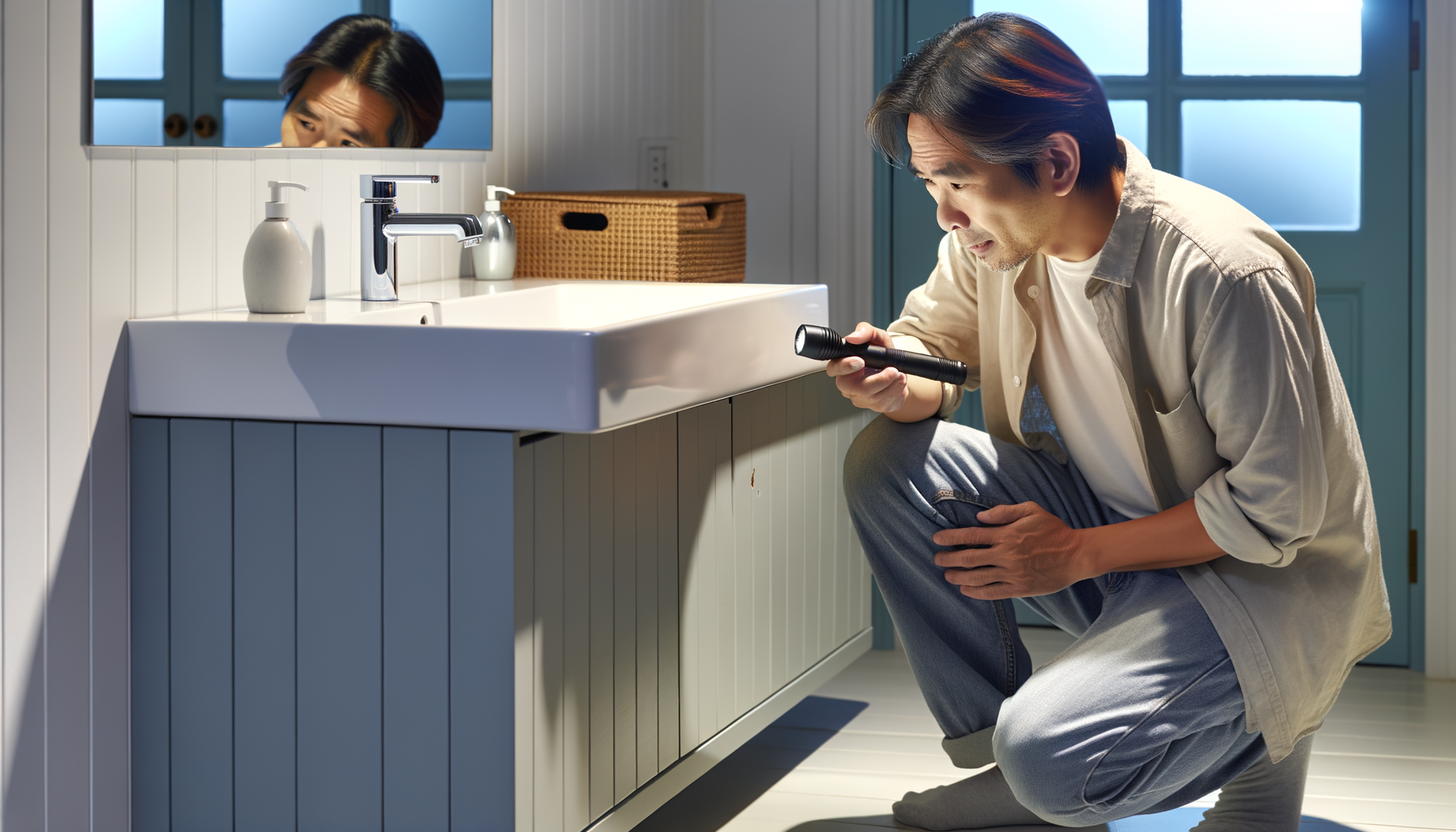
Early plumbing warning signs include subtle water stains, minor pressure changes, unusual sounds, slight temperature fluctuations, and small increases in water bills. Catching these indicators early can prevent major water damage and expensive emergency repairs.
Why Do Most Homeowners Miss These Warning Signs?
Plumbing problems rarely announce themselves with dramatic floods or complete system failures. Instead, they whisper their warnings through subtle changes that homeowners often dismiss as minor inconveniences. The challenge lies in recognizing that these small issues are actually your plumbing system's way of asking for help before a catastrophic failure occurs. Most people notice obvious problems like no hot water or a completely clogged drain, but the real money-saving opportunities come from catching issues during their early stages. Understanding what to look for can transform you from a reactive homeowner constantly dealing with emergencies into a proactive one who prevents them entirely.
What Are the Most Overlooked Early Warning Signs?
These subtle indicators often get dismissed but signal developing problems:
- Water stains or discoloration on walls, ceilings, or cabinets—even small ones
- Slight changes in water pressure throughout your home
- Unusual sounds like gurgling, whistling, or banging in pipes
- Minor fluctuations in water temperature during normal use
- Gradual increases in your water bill without increased usage
- Persistent musty odors near plumbing fixtures
- Small cracks or movement in tiles around tubs and showers
How Can Water Stains Reveal Hidden Problems?
Water stains are like breadcrumbs leading you to potential disasters. Even a small yellowish spot on your ceiling could indicate a slow leak that's been saturating insulation and weakening structural elements for months. These stains often appear in areas where you wouldn't expect plumbing issues—like bedroom ceilings under second-floor bathrooms or kitchen walls adjacent to laundry rooms. The key is understanding that water always follows gravity and finds the path of least resistance, so stains might appear far from the actual leak source. Fresh stains typically appear darker and may feel slightly damp, while older stains often have brownish edges and a chalky texture. Don't ignore small stains hoping they'll disappear—they're usually the tip of the iceberg.
What's Your Monthly Plumbing Health Check Process?
Develop this simple routine to catch problems early:
- Walk through your home listening for unusual sounds from pipes, especially after using fixtures
- Check under sinks, around toilets, and behind appliances for any signs of moisture or staining
- Test water pressure in different rooms—note any significant variations from room to room
- Monitor your water bill for unexplained increases compared to the same month last year
- Examine caulking and grout lines for cracks, gaps, or discoloration that could allow water intrusion
- Run water in rarely used fixtures like guest bathroom sinks to prevent trap seal problems
Why Do Small Pressure Changes Matter?
Water pressure changes often signal developing blockages, leaks, or failing fixtures long before they become obvious problems. If your morning shower suddenly has less pressure than it did last month, something in your system is changing. This could indicate mineral buildup in pipes, a developing blockage, or even a hidden leak that's diverting water pressure. The most telling sign is inconsistent pressure—when your kitchen faucet runs strong but your bathroom sink barely trickles, you're seeing evidence of localized problems that will worsen over time. Whole-house pressure drops might indicate issues with your main water line or pressure regulator, while isolated pressure changes usually point to problems in specific branch lines or fixtures.
What Do Different Pipe Sounds Actually Mean?
Your pipes communicate through sounds, and learning their language can save you thousands in damage. Gurgling sounds often indicate ventilation problems or partial blockages that are creating air bubbles in your drainage system. Whistling usually points to restrictions in supply lines—often from mineral buildup or failing fixtures. Banging or hammering sounds, known as water hammer, occur when water flow stops suddenly, creating pressure waves that can damage joints and connections over time. Clicking sounds might indicate thermal expansion as hot water pipes heat up and cool down, but persistent clicking could signal loose mounting hardware. The key is distinguishing between normal settling sounds and new noises that indicate developing problems.
Your Emergency Plumber Evaluation Checklist
When you need help, use this checklist to evaluate potential plumbers:
- Licensed and insured in your state
- Provides detailed written estimates before starting work
- Explains problems in terms you can understand
- Offers multiple solution options with different price points
- Has verifiable local references from recent customers
- Uses modern diagnostic equipment, not just guesswork
- Guarantees their work with a written warranty
- Responds promptly to initial inquiries and questions
How Can You Distinguish Normal Settling from Real Problems?
Every home makes sounds as materials expand, contract, and settle, but learning to distinguish normal house sounds from plumbing problems requires attention to patterns and changes. Normal settling typically occurs at predictable times—when heating systems cycle on and off, when outdoor temperatures change dramatically, or when heavy appliances like dishwashers start and stop. Problematic sounds are usually new, getting progressively worse, or occurring at unexpected times. For example, hearing pipes creak when you turn on hot water is normal thermal expansion, but hearing gurgling sounds when someone flushes a toilet upstairs indicates a ventilation or drainage problem. Document when you hear unusual sounds and what triggers them—this information proves invaluable when explaining issues to service professionals.
The most expensive plumbing repairs I see could have been prevented if homeowners had acted on early warning signs instead of waiting for obvious failures.
Mike Rodriguez, Licensed Master Plumber, 18 years experience
When Should You Call a Professional vs. Monitor the Situation?
Knowing when to act immediately versus when to monitor a situation can save both money and stress. Call a professional immediately for any signs of active leaking, sudden pressure loss, or water discoloration that could indicate contamination. Also prioritize any issues near electrical systems, structural elements, or expensive belongings. However, minor pressure variations, occasional unusual sounds, or small stains that aren't growing can often be monitored for a few weeks while you gather more information. Keep a simple log noting dates, locations, and severity of symptoms. This documentation helps professionals diagnose problems more efficiently and can reveal patterns you might miss. The key is having a trusted professional relationship established before you need emergency service, rather than scrambling to find help during a crisis.
Frequently Asked Questions
How much should my water bill increase before I worry about a leak?
Any unexplained increase over 10% compared to the same month last year warrants investigation. Even smaller increases could indicate developing problems worth monitoring closely.
Are small water stains always a sign of active leaks?
Not always, but they indicate moisture problems that need attention. Old stains from resolved issues look different from active problems—fresh stains are darker and may feel damp.
Should I be concerned about occasional gurgling sounds from drains?
Occasional gurgling is normal, but persistent or worsening sounds indicate ventilation problems or developing blockages that should be addressed before they become major issues.
How often should I check for these early warning signs?
Monthly checks are ideal for most homeowners. This frequency catches developing problems early while being manageable to maintain as a regular habit.
What's the most important early warning sign to watch for?
Unexplained increases in water bills are often the earliest indicator of hidden leaks that can cause extensive damage before becoming visible.
Find Your Trusted Plumber Before You Need One
Don't wait for a plumbing emergency to find reliable help. Tools like Linked By Six show you which local plumbers your friends and neighbors already trust—discover your network's recommendations before problems arise, so you're prepared with vetted professionals when early warning signs appear.
Catching plumbing problems early requires shifting from reactive to proactive thinking. Those small stains, minor pressure changes, and unusual sounds are your home's early warning system—ignore them at your financial peril. By developing simple monthly inspection habits and understanding what different symptoms mean, you transform from someone who deals with plumbing emergencies to someone who prevents them. The key is taking action on early indicators rather than waiting for obvious failures, and having trusted professional relationships established before you need them. Your future self will thank you for the thousands of dollars in damage you prevented by listening to your plumbing's subtle cries for help.