
Dashboard Warning Lights: What They Mean & When to Act
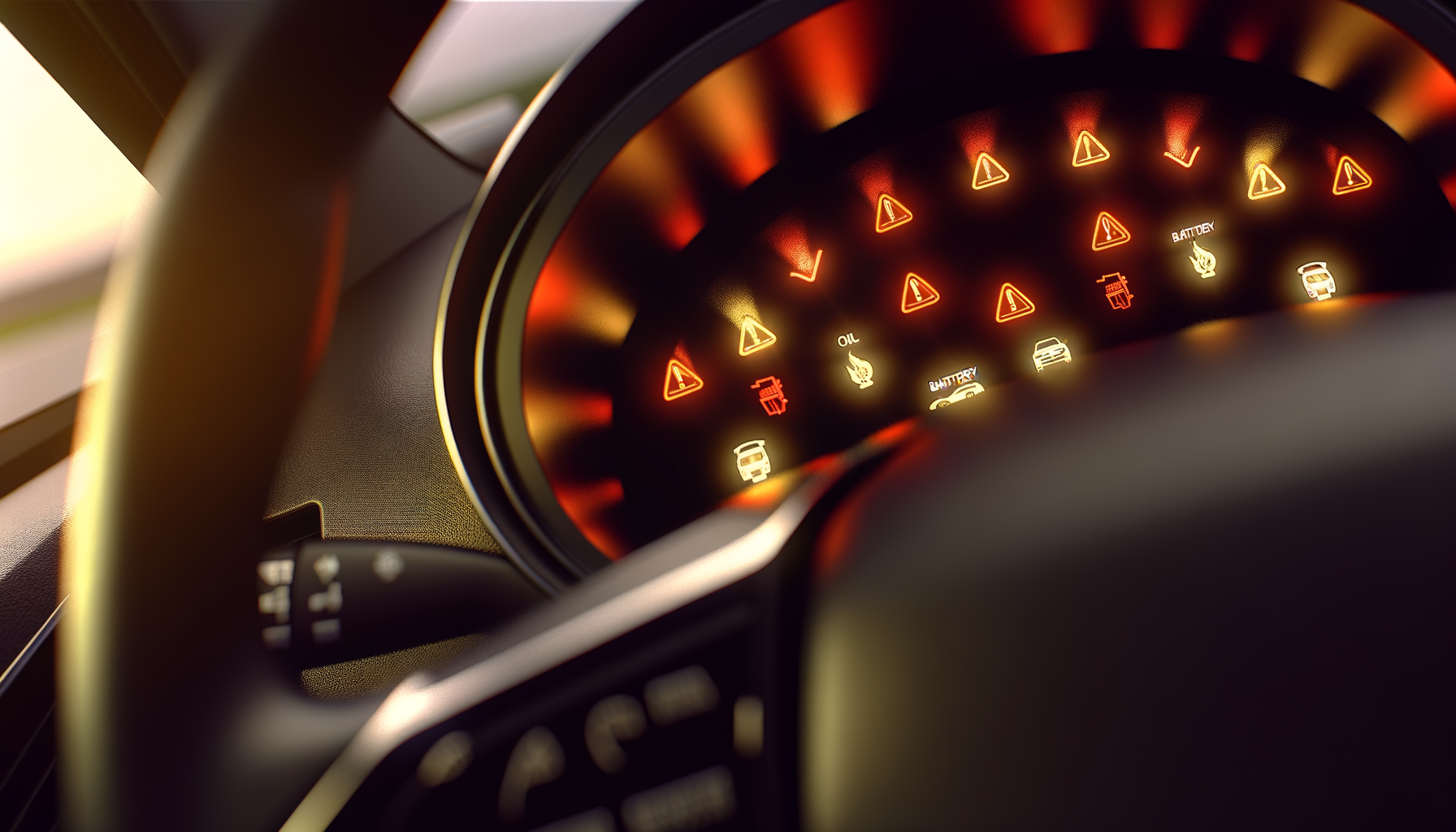
Dashboard warning lights are your vehicle's communication system, alerting you to potential problems before they become expensive repairs. Red lights typically indicate immediate action needed, while amber/yellow lights suggest scheduled maintenance or monitoring required.
Why Do Dashboard Warning Lights Matter?
Your vehicle's dashboard warning system is essentially a early detection network designed to prevent catastrophic failures and costly repairs. Modern cars contain dozens of sensors monitoring everything from engine temperature to brake fluid levels, tire pressure to emissions systems. When these sensors detect readings outside normal parameters, they trigger warning lights to alert you before minor issues become major problems. Understanding these signals can save you thousands of dollars and prevent dangerous breakdowns. The key is knowing which lights require immediate attention versus those that indicate routine maintenance needs.
What Do Red Dashboard Lights Mean?
Red warning lights indicate immediate danger or critical system failure. Pull over safely and address these issues before continuing to drive:
- Engine temperature warning - Overheating can cause permanent engine damage within minutes
- Oil pressure warning - Loss of oil pressure means immediate engine shutdown to prevent seizure
- Brake system warning - Could indicate brake failure, loss of brake fluid, or parking brake engagement
- Battery/charging system - Your vehicle may stop running when the battery dies completely
- Power steering warning - Loss of power steering assistance, especially dangerous at high speeds
When Should You Take Action on Amber Lights?
Amber or yellow warning lights typically indicate systems that need attention but don't require immediate stopping. However, ignoring these warnings can lead to red-light emergencies. The check engine light, for example, might start as an amber warning for a faulty oxygen sensor but could escalate to engine damage if ignored. Tire pressure monitoring lights seem minor but low tire pressure increases blowout risk and reduces fuel efficiency. Service reminder lights aren't emergencies, but they indicate manufacturer-recommended maintenance intervals designed to prevent more serious problems. Generally, amber lights should be addressed within a few days to a week, depending on the specific warning.
How to Respond When Warning Lights Appear
- Identify the specific warning light using your owner's manual or dashboard symbol guide
- Determine urgency level - red lights require immediate action, amber lights need prompt attention
- Check for obvious causes like low fuel, parking brake engagement, or loose gas cap
- Note any accompanying symptoms like unusual noises, vibrations, or performance changes
- Document when the light appeared and under what driving conditions
- Schedule service appointment based on urgency level and your vehicle's warranty status
What's the Difference Between Solid and Blinking Lights?
The pattern of warning lights provides additional information about urgency and system status. Solid warning lights typically indicate a detected problem that needs attention but isn't immediately catastrophic. A solid check engine light, for instance, suggests an emissions or engine management issue that should be diagnosed soon. Blinking or flashing warning lights usually signal more urgent problems requiring immediate attention. A flashing check engine light indicates engine misfires that can damage the catalytic converter. Flashing oil pressure or temperature warnings suggest rapidly worsening conditions. Some systems use different colors combined with patterns - a blinking red light almost always means stop driving immediately.
Which Warning Lights Can You Safely Drive With?
Some amber warning lights allow continued driving with caution, but require prompt service scheduling:
- Check engine light (solid, not flashing) - indicates emissions issues but usually safe for short-term driving
- Tire pressure monitoring - can drive carefully to nearest service station for air
- Service reminder lights - routine maintenance indicators, safe to drive until scheduled appointment
- Traction control or stability system warnings - reduces safety features but doesn't prevent driving
- Low fuel warning - obviously requires fuel stop but not mechanical repair
How Do Seasonal Changes Affect Warning Lights?
Temperature fluctuations significantly impact vehicle systems and can trigger warning lights even when no actual problems exist. Cold weather commonly triggers tire pressure monitoring lights because tire pressure drops about 1 PSI for every 10-degree temperature decrease. Battery warning lights appear more frequently in winter when cold weather reduces battery capacity and increases starting demands. Summer heat can trigger temperature warnings in vehicles with marginal cooling systems or low coolant levels. Understanding these seasonal patterns helps you distinguish between weather-related alerts and genuine mechanical problems. However, don't automatically dismiss warning lights as weather-related - verify the actual cause through proper inspection or diagnostic testing.
Essential Dashboard Warning Response Checklist
- Keep owner's manual accessible for warning light identification
- Know your vehicle's basic fluid check procedures
- Identify nearest safe location to pull over if red lights appear
- Have emergency contact information for roadside assistance
- Maintain relationships with trusted automotive service providers
- Document warning light patterns and driving conditions when they occur
- Schedule regular maintenance to prevent warning light activation
Why Professional Diagnosis Beats Guesswork
While some warning lights have obvious solutions like adding fuel or checking tire pressure, most require professional diagnostic equipment to identify root causes. Modern vehicles' computer systems store detailed error codes that explain exactly what triggered each warning light. Attempting to diagnose complex issues without proper tools often leads to unnecessary part replacement and wasted money. Professional technicians can distinguish between symptoms and causes, potentially saving you hundreds of dollars in incorrect repairs. Additionally, many warning lights indicate problems in multiple related systems - a battery light might actually indicate alternator problems, belt issues, or electrical connection failures that require comprehensive testing to identify properly.
I've seen too many customers ignore warning lights until they need major repairs instead of minor adjustments. That check engine light might just need a $20 sensor replacement today, but ignoring it could mean a $2,000 catalytic converter replacement next month.
Mike Rodriguez, ASE Master Technician
Frequently Asked Questions
Can I drive with the check engine light on?
A solid check engine light usually allows continued driving to a service appointment, but schedule diagnosis within a few days. A flashing check engine light requires immediate attention to prevent costly damage.
Why did my tire pressure light come on suddenly?
Temperature changes cause tire pressure fluctuations - pressure drops about 1 PSI per 10-degree temperature decrease. Check tire pressure first, but also inspect for punctures or leaks.
What should I do if multiple warning lights appear at once?
Multiple simultaneous warning lights often indicate a single underlying problem affecting multiple systems. Stop driving safely and seek immediate professional diagnosis to prevent cascading failures.
How long can I drive with the oil change reminder light?
Oil change reminder lights typically provide a 500-1000 mile buffer beyond recommended intervals. However, schedule service promptly to maintain warranty coverage and prevent engine wear.
Do warning lights reset automatically after repairs?
Some warning lights reset automatically after the underlying problem is fixed, while others require manual reset with diagnostic equipment. Professional service usually includes proper light reset procedures.
Why do warning lights sometimes come on and then disappear?
Intermittent warning lights often indicate developing problems or loose connections. Even if the light disappears, have the system diagnosed since error codes remain stored in memory.
Find Trusted Automotive Service
When warning lights appear, you need reliable service from technicians your network already trusts. Tools like Linked By Six automatically show you which automotive shops your friends and colleagues recommend, so you can address dashboard alerts with confidence in your service provider choice.
Dashboard warning lights serve as your vehicle's early warning system, designed to prevent minor issues from becoming major repairs. Understanding the difference between red emergency alerts and amber maintenance reminders helps you respond appropriately and avoid costly mistakes. While some warnings allow continued driving, never ignore red lights indicating oil pressure, engine temperature, or brake system problems. Professional diagnosis using modern computerized systems provides accurate problem identification and prevents unnecessary repairs. By responding promptly to dashboard alerts and working with trusted service providers, you can maintain your vehicle's reliability and safety while minimizing unexpected repair costs. Remember that today's minor warning could prevent tomorrow's major breakdown.