
7 Essential Daily Routines for Effective Pet Training
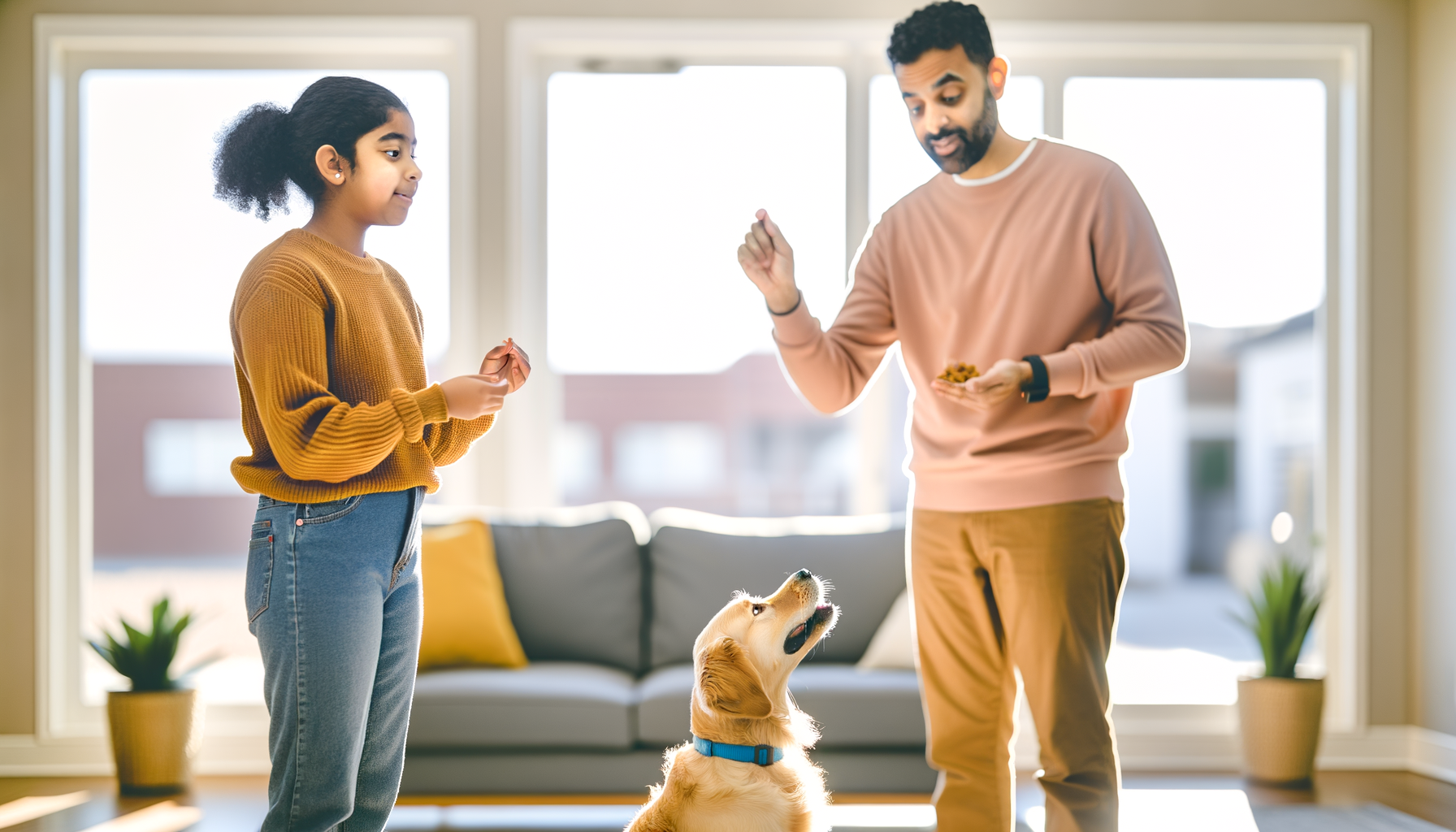
Effective pet training thrives on consistent daily routines including structured feeding times, regular exercise periods, dedicated training sessions, and predictable sleep schedules. These routines create the stability and repetition pets need to learn and retain new behaviors successfully.
Why Do Daily Routines Make Pet Training More Effective?
Dogs and cats are creatures of habit who thrive on predictability. When you establish consistent daily routines, you create a framework that naturally supports learning and behavior modification. Pets feel more secure when they know what to expect, reducing anxiety that can interfere with training progress. Routines also help you maintain consistency in your training approach, which is crucial for reinforcing desired behaviors. Additionally, structured schedules ensure you're dedicating adequate time to training rather than trying to squeeze it in randomly throughout the day. This predictable structure helps both you and your pet stay committed to the training process.
What Are the Core Daily Routines Every Pet Owner Should Establish?
These seven fundamental routines create the foundation for successful pet training:
- Morning feeding at the same time each day (helps establish bathroom schedules and creates training opportunities)
- Post-meal potty breaks within 15-30 minutes of eating (builds reliable house training habits)
- Dedicated 10-15 minute training sessions twice daily (maintains skill development and mental stimulation)
- Regular exercise periods matching your pet's energy level (reduces behavioral problems from pent-up energy)
- Consistent meal preparation rituals that include basic commands like 'sit' and 'stay'
- Evening wind-down routines with gentle training reinforcement (solidifies learning before rest)
- Fixed bedtime schedule that signals the end of active training for the day
How Should You Time Training Sessions for Maximum Impact?
The timing of your training sessions can significantly impact their effectiveness. Most pets learn best when they're alert but not overstimulated, which typically occurs about an hour after meals when initial energy has settled but focus remains high. Morning sessions work well because pets are fresh and eager to engage, while evening sessions help reinforce the day's lessons. Keep individual sessions short—5 to 15 minutes depending on your pet's attention span—but maintain frequency rather than duration. Multiple brief sessions throughout the day are more effective than one long session that leads to mental fatigue. Pay attention to your pet's energy patterns and schedule training when they're naturally most receptive to learning.
What Role Does Exercise Play in Training Success?
Physical exercise is a cornerstone of effective pet training that often gets overlooked. A well-exercised pet is more likely to focus during training sessions because their physical energy needs are met. Exercise also releases endorphins that improve mood and reduce stress, creating an optimal mental state for learning. Different pets require different exercise routines—high-energy breeds may need 60-90 minutes of activity daily, while others might need only 30 minutes. The key is consistency in timing and duration. Schedule exercise sessions before training when possible, as this helps burn off excess energy that might otherwise lead to distraction or hyperactivity during learning sessions.
Which Environmental Routines Support Better Training Outcomes?
Your pet's environment plays a crucial role in training success. These environmental routines help create optimal learning conditions:
- Designate specific areas for training sessions to help your pet understand when it's time to focus and learn
- Maintain consistent lighting and minimize distractions during training periods
- Keep training supplies in the same accessible location so sessions can start promptly without delay
- Create quiet zones where your pet can rest and process new learning without overstimulation
- Establish clear boundaries between play areas and training spaces to help your pet differentiate between activities
How Can You Build Training Into Existing Daily Activities?
The most sustainable training routines are those that integrate seamlessly into your existing schedule. Before each meal, require a simple 'sit' or 'stay' command. During walks, practice loose-leash walking and basic commands like 'heel' or 'wait' at crosswalks. While preparing their food, use the anticipation as motivation for practicing patience and impulse control. Even grooming sessions can become training opportunities by teaching your pet to remain calm during handling. This integration approach means training becomes a natural part of your pet's day rather than an additional task you need to remember. It also provides more frequent reinforcement opportunities, which accelerates learning.
What Consistency Principles Make the Biggest Difference?
Consistency in pet training extends beyond just regular timing—it encompasses your commands, rewards, expectations, and responses to behaviors. Use the same verbal cues and hand signals each time, as varying your commands confuses pets and slows learning. Establish consistent rules that apply in all situations; for example, if jumping on people isn't allowed, this rule should apply whether guests are visiting or family members are around. Everyone in your household should follow the same training protocols to avoid sending mixed messages. Consistent positive reinforcement timing is also crucial—reward desired behaviors immediately so your pet can clearly connect the action with the positive outcome.
Daily Training Routine Checklist
Use this checklist to ensure you're covering all essential training elements each day:
- Morning feeding with basic command practice
- Post-meal potty break and house training reinforcement
- First dedicated training session (5-15 minutes)
- Mid-day exercise period appropriate for your pet's needs
- Afternoon training integration during daily activities
- Second dedicated training session focusing on problem areas
- Evening wind-down with gentle command practice
- Consistent bedtime routine to signal end of training day
How Do You Maintain Routines During Busy Periods?
Life inevitably disrupts even the best-planned routines, but maintaining core training elements during busy periods is essential for continued progress. Focus on the non-negotiables: feeding times, potty breaks, and at least one brief training session daily. During hectic days, integrate training into necessary activities rather than trying to find separate time blocks. A two-minute training session is better than skipping entirely, as it maintains the routine's psychological benefits for both you and your pet. Prepare for busy periods by teaching family members or pet sitters your basic training protocols so routines can continue even when you're not available. Remember that temporary disruptions won't derail overall progress if you quickly return to established patterns.
The magic isn't in perfect execution—it's in consistent effort. Pets learn more from reliable, imperfect routines than from sporadic perfect sessions.
Dr. Patricia McConnell, Certified Animal Behaviorist
Frequently Asked Questions
How long does it take for pets to adapt to new training routines?
Most pets adapt to new routines within 2-3 weeks of consistent implementation. However, individual personalities and past experiences can affect this timeline, with some pets adjusting within days while others may need up to six weeks.
What should I do if my pet resists the new training schedule?
Start with shorter, more frequent sessions and gradually increase duration. Ensure you're using high-value rewards and training when your pet is naturally alert. If resistance continues, consider adjusting timing or consulting a professional trainer.
Can I train multiple pets simultaneously using the same routine?
Yes, but each pet may need individual attention within the routine. Group training can work for basic commands, but address specific behavioral issues separately. Ensure each pet receives adequate individual focus and appropriate rewards.
How do I adjust training routines as my pet ages?
Older pets may need shorter sessions, gentler exercises, and more patience. Focus on maintaining existing skills rather than learning complex new behaviors. Adjust exercise intensity and consider joint-friendly activities while keeping mental stimulation consistent.
What's the minimum daily training time needed to see progress?
Even 10-15 minutes of focused training daily can produce noticeable results within weeks. Consistency matters more than duration—brief daily sessions are more effective than longer weekly sessions for building lasting behavioral changes.
Should training routines be the same every day or can they vary?
Maintain consistent core elements like timing and basic commands, but vary specific activities to prevent boredom. The structure should remain predictable while the content can include different skills, games, or challenges to maintain engagement.
Find Trusted Pet Training Support
Ready to work with a professional trainer? Tools like Linked By Six help you discover which local pet trainers your friends and neighbors actually trust—see real connections and reviews from people you know before making your choice. Sometimes the best training routines are built with expert guidance tailored to your pet's specific needs.
Establishing effective daily routines transforms pet training from a chore into a natural part of your life together. The key lies not in perfection, but in consistency—regular feeding times, structured exercise, brief training sessions, and predictable schedules create the stability your pet needs to learn and thrive. Remember that every interaction is a training opportunity, and the most successful pet owners are those who integrate positive reinforcement into their daily routines rather than treating training as a separate activity. Start with just one or two routine changes and gradually build from there. With patience and persistence, these daily habits will strengthen your bond while creating a well-behaved, confident companion.