
CrossFit vs Weight Lifting: Which Is Right for You?
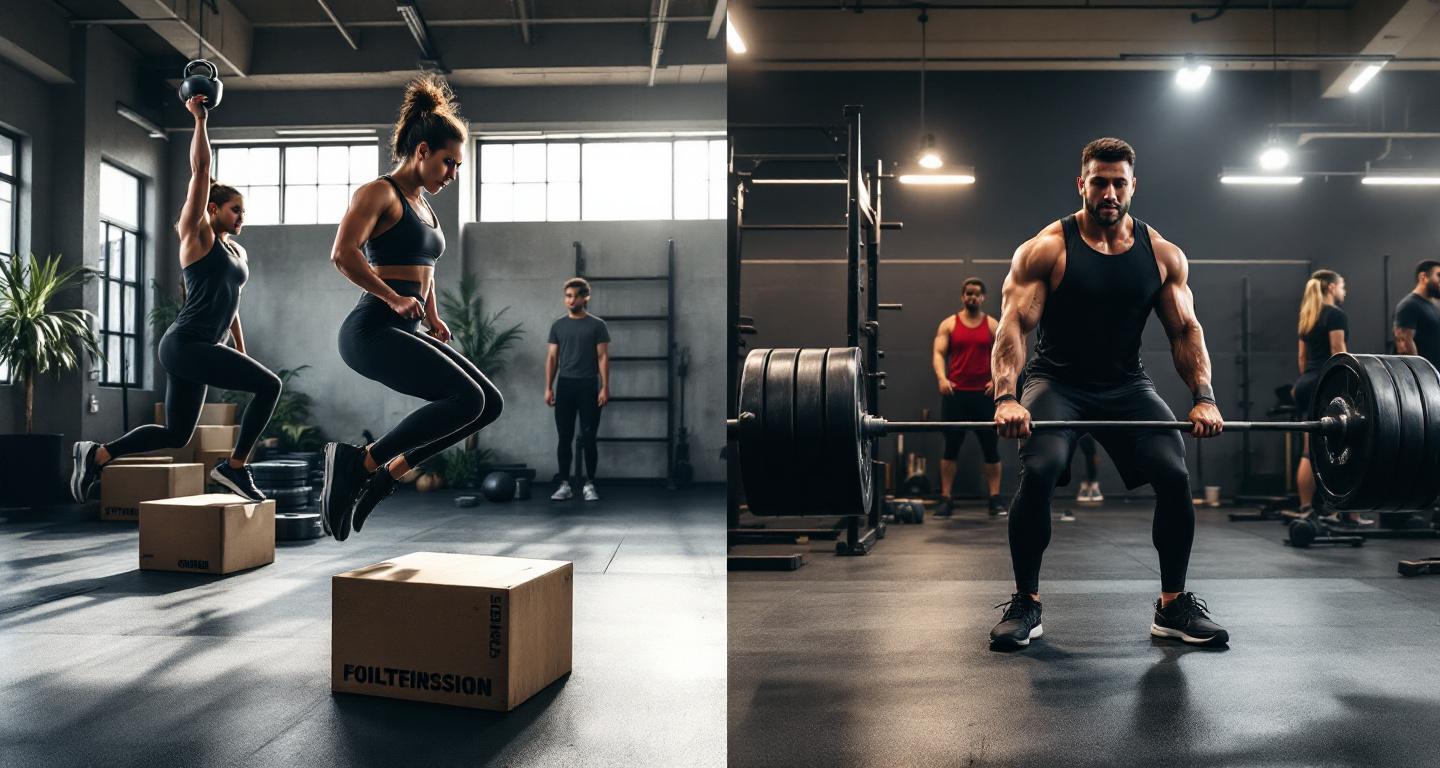
CrossFit emphasizes high-intensity functional movements and community, while weight lifting focuses on progressive strength building through traditional exercises. Choose CrossFit for varied workouts and group motivation, or weight lifting for targeted muscle development and predictable progression.
What Makes CrossFit Different from Traditional Weight Lifting?
The fundamental difference lies in philosophy and approach. CrossFit combines weightlifting, cardio, and bodyweight exercises into constantly varied, high-intensity workouts performed in a group setting. These workouts of the day (WODs) might include Olympic lifts, rowing, box jumps, and gymnastics movements all in one session. Traditional weight lifting, by contrast, focuses on progressive overload through structured programs targeting specific muscle groups with barbells, dumbbells, and machines. Weight lifting sessions typically follow predetermined rep and set schemes designed to build strength, muscle mass, or both. The environment also differs significantly—CrossFit thrives on community energy and competition, while weight lifting can be more solitary and self-directed. Understanding these core differences helps you align your choice with your personality, goals, and preferences for how you want to approach fitness.
What Are the Key Benefits of CrossFit Training?
CrossFit offers unique advantages that appeal to many fitness enthusiasts:
- Comprehensive fitness development across strength, cardio, flexibility, and coordination in single workouts
- Built-in community support and motivation through group classes and friendly competition
- Constantly varied workouts prevent boredom and challenge your body in new ways daily
- Functional movements that translate to real-world activities and sports performance
- Efficient time use with high-intensity sessions typically lasting 45-60 minutes
- Scalable workouts that can be modified for any fitness level or physical limitation
- Professional coaching included in membership fees, providing form correction and motivation
Why Choose Traditional Weight Lifting?
Weight lifting provides distinct advantages for specific fitness goals:
- Precise control over progressive overload for predictable strength and muscle gains
- Ability to target specific muscle groups or address weaknesses through isolation exercises
- Flexible scheduling since you can work out independently without class times
- Lower injury risk when proper form is maintained, due to controlled movement patterns
- Cost-effective option with basic gym memberships typically less expensive than CrossFit boxes
- Extensive exercise variety through different equipment, rep ranges, and training methods
- Measurable progress through tracking weights, reps, and personal records over time
How Do Injury Risks Compare Between These Training Methods?
Injury risk exists in both training styles but manifests differently. CrossFit's high-intensity nature and complex movements like Olympic lifts performed under fatigue can increase acute injury risk, particularly for beginners who haven't mastered proper form. The competitive atmosphere might also encourage pushing beyond safe limits. However, quality CrossFit gyms emphasize proper coaching and movement standards to mitigate these risks. Traditional weight lifting typically has lower acute injury rates due to controlled movements and rest between sets, but overuse injuries can develop from repetitive stress or inadequate recovery. Poor form in heavy compound lifts like squats and deadlifts can cause significant injury regardless of training style. The key factor isn't which method is inherently safer, but rather the quality of instruction, your commitment to proper form, and listening to your body. Both approaches can be performed safely with proper progression, adequate recovery, and attention to technique over ego lifting.
How Should You Choose Between CrossFit and Weight Lifting?
- Assess your primary fitness goals - choose CrossFit for overall fitness and functional strength, weight lifting for specific strength or physique goals
- Consider your personality and motivation style - pick CrossFit if you thrive on community and variety, weight lifting if you prefer self-directed training
- Evaluate your schedule flexibility - CrossFit requires attending scheduled classes while weight lifting offers more timing freedom
- Factor in your budget - compare local CrossFit box fees with traditional gym memberships plus potential personal training costs
- Try both options with trial passes or day passes to experience the training styles and gym cultures firsthand
- Consider your injury history and current fitness level - beginners might benefit from CrossFit's built-in coaching or weight lifting's controlled progression
What Should You Expect in Terms of Results and Timeline?
Results timelines vary based on starting fitness level, consistency, and specific goals. CrossFit typically produces noticeable improvements in overall fitness, endurance, and functional strength within 4-6 weeks due to its high-intensity, full-body approach. You'll likely see faster cardiovascular improvements and enhanced work capacity. However, specific strength gains in individual lifts may progress more slowly than dedicated weight training. Traditional weight lifting often shows strength increases within 2-4 weeks and visible muscle changes within 6-8 weeks, especially for beginners. The linear progression possible in weight lifting can be psychologically rewarding as you consistently add weight to the bar. CrossFit results tend to be more varied and less predictable due to the constantly changing stimulus. Both approaches require consistent effort over months and years for significant body composition changes. Your nutrition, sleep, and recovery practices will significantly impact results regardless of which training method you choose. Set realistic expectations and focus on long-term consistency rather than short-term dramatic changes.
How Much Should You Expect to Invest in Each Option?
Cost considerations extend beyond monthly membership fees. CrossFit box memberships typically range from $100-200 per month, which includes coaching, programming, and community access. While more expensive upfront, this comprehensive service can provide excellent value compared to hiring a personal trainer. Traditional gym memberships might cost $20-80 monthly, but you may need additional investments in personal training sessions ($50-100 per session), specialized programming, or online coaching. Equipment needs also differ—CrossFit requires minimal personal gear beyond athletic shoes and comfortable workout clothes, as boxes provide all equipment. Weight lifting might benefit from personal accessories like lifting shoes, belts, straps, or chalk, though these aren't mandatory. Consider hidden costs like commute time and gas to determine true expense. Many people find CrossFit's all-inclusive model more economical than cobbling together training, programming, and motivation separately. However, if you're self-motivated and knowledgeable about programming, traditional gyms offer the most budget-friendly option for long-term fitness.
Questions to Ask When Visiting Potential Gyms
- What are the coach-to-athlete ratios during classes?
- How do you modify workouts for different fitness levels and injuries?
- What is your policy on dropping in for trial classes?
- Are there additional fees beyond monthly membership costs?
- What safety protocols and emergency procedures are in place?
- How do you handle form correction and progression for new members?
- What are the peak hours and how crowded does the facility get?
- Do you offer nutrition guidance or other wellness services?
Frequently Asked Questions
Can beginners start with CrossFit safely?
Yes, reputable CrossFit gyms offer beginner programs and scale all movements to individual fitness levels. Quality coaching focuses on proper form before intensity, making it accessible for newcomers to fitness.
Is weight lifting better for building muscle mass?
Generally yes, traditional weight lifting allows more targeted muscle development through isolation exercises and controlled progressive overload, making it more effective for specific hypertrophy goals than CrossFit's varied approach.
How many days per week should I train?
Most people see excellent results with 3-4 training days per week regardless of method. Consistency matters more than frequency, and adequate recovery time prevents overtraining and reduces injury risk.
Which option is better for weight loss?
Both can support weight loss when combined with proper nutrition. CrossFit's high-intensity format may burn more calories per session, while weight lifting builds muscle that increases metabolic rate long-term.
Can I switch between CrossFit and weight lifting?
Absolutely. Many people benefit from trying both approaches or combining elements of each. Your fitness journey can evolve, and different training styles may suit different life phases or goals.
Do I need previous gym experience for either option?
No previous experience is required for either. CrossFit boxes typically offer fundamentals courses for beginners, while many traditional gyms provide orientation sessions. Start conservatively and focus on learning proper form.
Find Trusted Fitness Professionals in Your Area
Choosing between CrossFit and weight lifting is just the first step. Finding a quality gym or trainer you can trust makes all the difference in your fitness journey. Tools like Linked By Six help you discover which fitness professionals and gyms your friends and colleagues already trust—see real recommendations from your network before you commit to a membership.
The CrossFit versus weight lifting debate ultimately comes down to personal preference, goals, and lifestyle factors. CrossFit excels for those seeking community, variety, and comprehensive fitness development, while weight lifting offers more control and specificity for strength and physique goals. Both can deliver excellent results when performed consistently with proper form and adequate recovery. Consider trying both approaches to experience the different training philosophies firsthand. Remember that the best workout program is the one you'll stick with long-term, so choose based on what motivates and excites you most about fitness. Your perfect training method might even combine elements of both approaches as your fitness journey evolves.