
Essential Annual Plumbing Maintenance Every Homeowner Needs
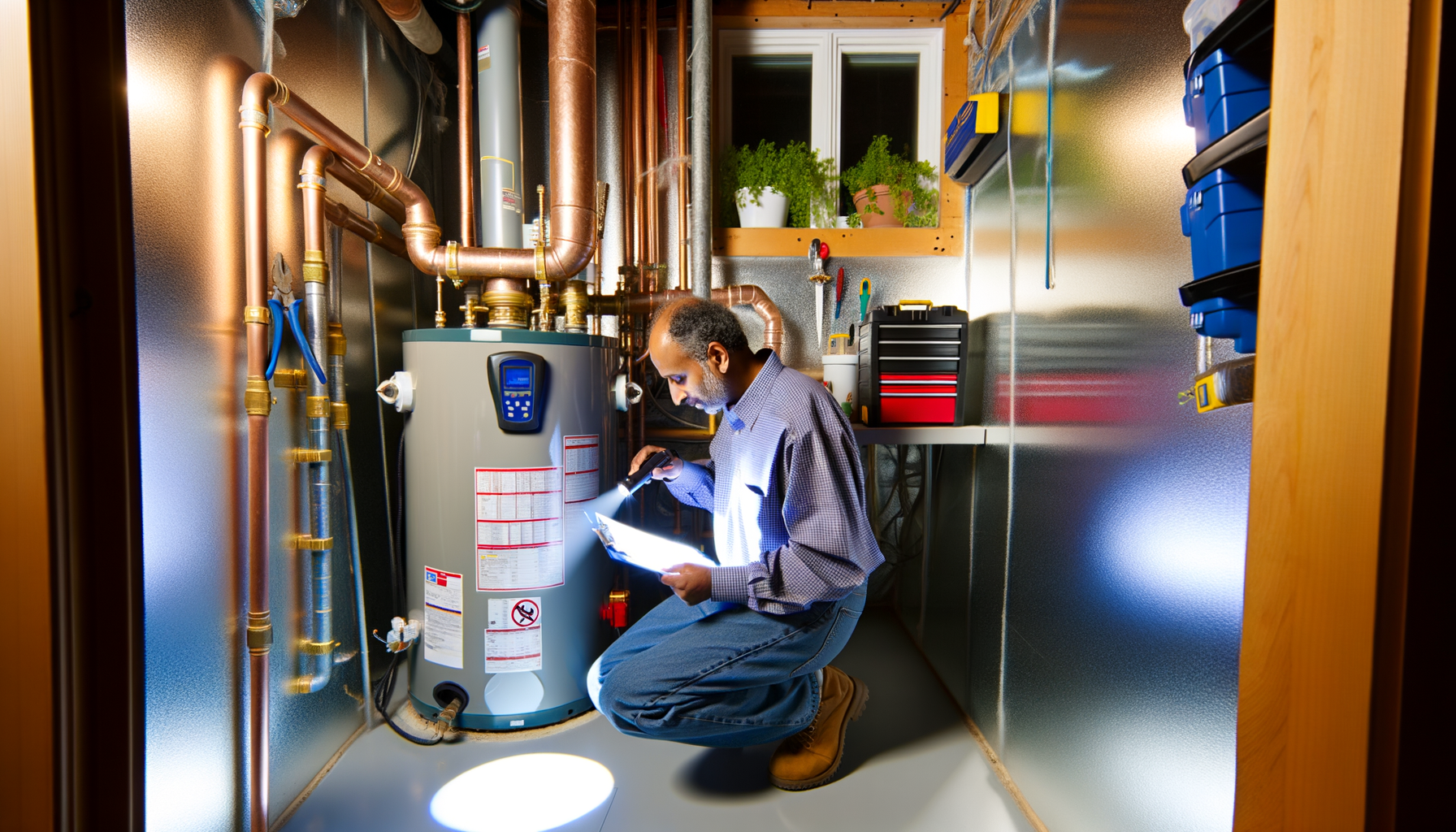
Annual plumbing maintenance should include inspecting water heaters, checking for leaks, testing water pressure, cleaning drains, examining exposed pipes, and servicing sump pumps. Schedule professional inspections every 2-3 years and address small issues before they become expensive emergencies.
Why Does Annual Plumbing Maintenance Matter?
Plumbing failures don't happen overnight—they develop gradually through wear, mineral buildup, and aging components. The average homeowner spends $1,200 annually on plumbing repairs, but proactive maintenance can reduce this by up to 70%. Think of annual plumbing maintenance like changing your car's oil: small investments in upkeep prevent major breakdowns. Water damage from burst pipes or failed water heaters can cost tens of thousands in repairs, not to mention the disruption to your daily life. Regular maintenance helps you catch issues early when they're manageable and affordable to fix.
What Should You Inspect During Your Annual Plumbing Review?
Your annual plumbing inspection should cover these critical areas in order of priority:
- Water heater: Check for rust, corrosion, or water pooling around the base. Test the temperature relief valve and inspect the anode rod if accessible.
- Visible pipes: Examine exposed plumbing in basements, crawl spaces, and under sinks for leaks, corrosion, or loose fittings.
- Water pressure: Test faucets and showers throughout the house. Low pressure may indicate mineral buildup or pipe issues.
- Drains and fixtures: Check all sinks, tubs, and toilets for slow drainage, unusual sounds, or water damage around bases.
- Outdoor plumbing: Inspect hose bibs, sprinkler systems, and outdoor faucets for freeze damage or leaks.
- Sump pump: Test operation before heavy rain seasons and ensure the discharge pipe directs water away from your foundation.
When Should You Schedule Professional Plumbing Inspections?
While homeowners can handle basic visual inspections, professional plumbers have tools and expertise to identify problems you might miss. Schedule a comprehensive professional inspection every 2-3 years, or annually if your home is over 20 years old. Professionals can perform camera inspections of main sewer lines, test water quality, and assess the condition of pipes inside walls. They can also service your water heater properly, including flushing sediment and replacing anode rods. If you notice any concerning signs during your DIY inspection—like water stains, unusual sounds, or persistent odors—don't wait for your scheduled professional visit.
Monthly and Seasonal Plumbing Tasks to Prevent Problems
Beyond annual inspections, these regular maintenance tasks keep your plumbing system healthy:
- Run water in rarely-used fixtures to prevent trap seals from drying out
- Clean shower heads and faucet aerators to remove mineral buildup
- Check toilet flappers and fill valves for proper sealing
- Pour hot water down drains monthly to prevent grease buildup
- Test GFCI outlets near water sources
- Before winter: disconnect garden hoses and shut off outdoor water valves
- After winter: check for freeze damage and test outdoor faucets
- Clean lint from washing machine hoses and connections
- Inspect garbage disposal and run ice cubes to clean blades
How Do You Know When DIY Maintenance Isn't Enough?
Some plumbing maintenance requires professional expertise and specialized tools. Call a plumber if you discover rust-colored water, significant pressure drops, water hammer (banging pipes), or any signs of sewer backup. Older homes may need pipe replacement or major system upgrades that require permits and professional installation. Gas water heaters require particular caution—never attempt to service gas connections yourself. Similarly, main sewer line issues, whole-house repiping, or water heater replacement should always be handled by licensed professionals. Your safety and your home's integrity are worth the investment in proper expertise.
What Are the Most Cost-Effective Preventive Measures?
These high-impact, low-cost maintenance steps provide the best return on investment:
- Install water leak detectors near water heaters, washing machines, and under sinks—early detection prevents extensive damage
- Replace washing machine hoses every 5 years, even if they look fine—rubber degrades over time
- Use drain screens to prevent hair and debris from clogging pipes
- Insulate pipes in unheated areas to prevent freeze damage
- Know the location of your main water shut-off valve and test it annually
- Keep a plumbing emergency kit with basic tools and the number of a trusted plumber
How Do You Budget for Plumbing Maintenance and Repairs?
Smart homeowners budget 1-3% of their home's value annually for all maintenance, with plumbing representing about 15% of that amount. For a $300,000 home, that means setting aside $450-1,350 per year for plumbing maintenance and repairs. This might seem like a lot, but it's far less than the cost of emergency repairs or water damage restoration. Create a home maintenance fund specifically for these expenses, and remember that preventive maintenance reduces the likelihood of expensive emergencies. Track your plumbing expenses over time—you'll likely find that consistent maintenance significantly reduces your overall costs.
Frequently Asked Questions
How often should I flush my water heater?
Flush your water heater annually to remove sediment buildup that reduces efficiency and can cause premature failure. In areas with hard water, consider flushing every six months.
What's the most important plumbing maintenance task for new homeowners?
Locate your main water shut-off valve and test it annually. In an emergency, quickly shutting off water can prevent thousands of dollars in damage while you wait for professional help.
Can I perform plumbing maintenance myself or do I need a professional?
Homeowners can handle visual inspections, basic cleaning, and simple tasks like replacing flappers. However, major repairs, gas connections, and sewer line issues require licensed professionals for safety and code compliance.
How do I know if my home needs immediate plumbing attention?
Call a plumber immediately for sewage odors, no water pressure, visible leaks, or water backing up from drains. These signs indicate problems that can quickly cause expensive damage or health hazards.
What's the difference between preventive maintenance and emergency repairs?
Preventive maintenance involves scheduled inspections and upkeep when systems are working normally. Emergency repairs happen after failures occur and typically cost 3-5 times more than preventive measures.
Should I replace plumbing fixtures before they fail?
Yes, replace key components like washing machine hoses every 5 years and water heaters every 8-12 years. Proactive replacement lets you choose timing and quality rather than dealing with emergency failures.
Find Trusted Plumbing Professionals
When you need professional plumbing services, wouldn't it be great to know which local plumbers your friends and neighbors actually trust? Tools like Linked By Six automatically show you which service providers have earned recommendations from your personal network—no need to text around or post on social media asking for referrals.
Annual plumbing maintenance is one of the smartest investments you can make as a homeowner. By following a systematic approach to inspection and upkeep, you'll catch small problems before they become major expenses. Remember that the goal isn't to become a plumber yourself, but to be an informed homeowner who knows when to handle simple tasks and when to call in professionals. Your future self will thank you when you're enjoying reliable plumbing while your neighbors are dealing with emergency repairs and water damage. Start with this year's inspection—your home and your wallet will benefit from the proactive approach.