
8 Hidden Electrical Dangers in Aging Homes You Must Know
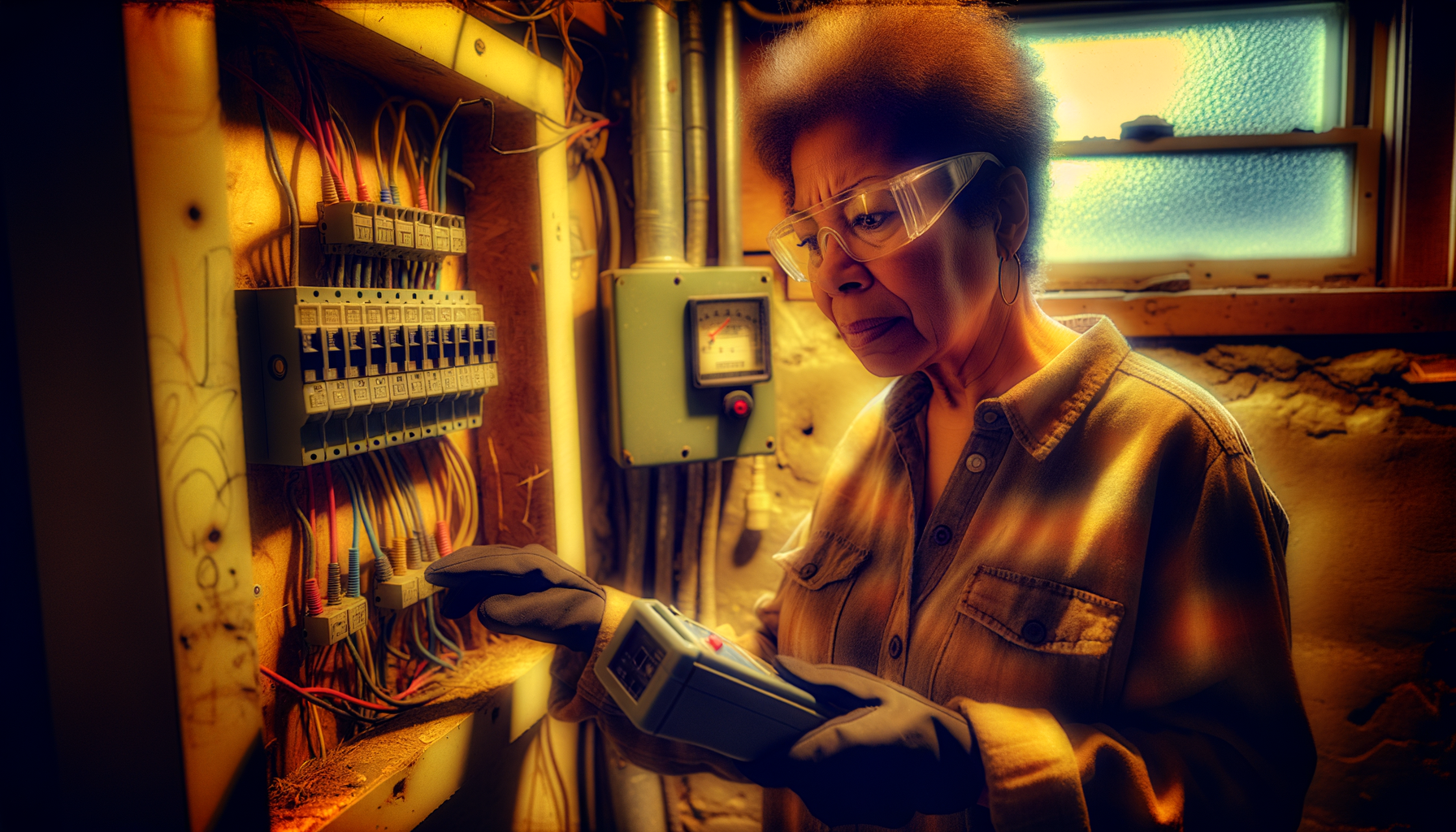
Aging homes face serious electrical safety risks including outdated wiring, overloaded circuits, degraded insulation, and obsolete panels that can cause fires, electrocution, and power failures. Homes over 40 years old require professional electrical inspections to identify these hidden dangers.
Why Do Electrical Systems Deteriorate Over Time?
Electrical systems weren't designed to last forever, and the demands we place on them have dramatically increased over the decades. A home built in the 1970s was designed for basic lighting, a refrigerator, and maybe a television. Today's homes power multiple computers, smart devices, electric vehicle chargers, and energy-intensive appliances that strain aging infrastructure. The materials used in older electrical systems—from wire insulation to connection points—naturally degrade over time. Heat cycles from electrical loads cause expansion and contraction, loosening connections and creating resistance that generates dangerous heat. Meanwhile, moisture infiltration, rodent damage, and simple age cause insulation to crack and fail. Understanding these fundamental aging processes helps homeowners recognize when their electrical systems need professional evaluation and potential upgrades to maintain safety standards.
What Are the Most Dangerous Electrical Hazards in Older Homes?
Aging homes present several critical electrical safety risks that can threaten both property and lives:
- Knob-and-tube wiring (pre-1950s) lacks grounding and uses degraded cloth insulation that becomes brittle and fire-prone
- Aluminum wiring (1960s-1970s) expands and contracts more than copper, creating loose connections that overheat and spark
- Federal Pacific Electric (FPE) panels manufactured before 1980 have circuit breakers that may fail to trip during overloads
- Ungrounded outlets throughout the home increase electrocution risk and can't safely power modern three-prong appliances
- Insufficient amperage service (60-amp or 100-amp) for modern electrical demands leads to frequent overloads and safety risks
- Deteriorated wire insulation in walls that cracks, exposing live conductors to combustible materials
How Can You Identify Warning Signs of Electrical Problems?
Your home often provides clear warning signs when electrical systems are failing, but many homeowners dismiss these signals as minor inconveniences. Flickering lights, especially when large appliances turn on, indicate voltage drops from loose connections or insufficient capacity. Warm or discolored outlet covers suggest dangerous overheating occurring behind the walls. Circuit breakers that trip frequently aren't just annoying—they're protective devices working overtime to prevent fires. The smell of burning plastic or rubber, even if brief, should never be ignored as it often indicates overheating wires or components. Mild electrical shocks from appliances or switches signal grounding problems that could escalate to dangerous levels. Additionally, outlets that don't hold plugs securely have worn contacts that create resistance and heat. These warning signs often appear gradually, making them easy to rationalize away, but they represent your electrical system's cry for help before a serious failure occurs.
What Electrical Code Changes Affect Older Homes?
Electrical codes have evolved dramatically over the past 50 years, introducing safety requirements that didn't exist when many homes were built. Ground Fault Circuit Interrupter (GFCI) protection, now required in bathrooms, kitchens, and outdoor areas since the 1970s, prevents electrocution in wet conditions but is absent in most older homes. Arc Fault Circuit Interrupters (AFCIs), mandatory in bedrooms since 2002 and most rooms today, detect dangerous electrical arcs that cause house fires. Modern homes require dedicated 20-amp circuits for kitchen appliances, while older homes often have everything on shared 15-amp circuits. Grounding requirements have also strengthened, with three-prong outlets now standard but often absent in vintage properties. While existing homes aren't required to meet current codes, these improvements represent decades of safety lessons learned from electrical accidents and fires. Understanding these code evolution helps homeowners appreciate why electrical updates aren't just modern conveniences—they're life-saving safety measures that protect families and property.
When Should You Schedule an Electrical Safety Inspection?
Professional electrical inspections become critical at specific intervals and situations:
- Every 10 years for homes over 40 years old, or every 5 years for homes with known electrical issues
- Before purchasing any home built before 1990 to identify costly electrical problems during negotiations
- After any major renovation or addition that increases electrical demands on existing systems
- When planning to sell, as buyers increasingly request electrical inspections and may demand updates
- Following any electrical emergency like sparks, small fires, or significant power outages
- Before installing high-demand appliances like electric vehicle chargers, hot tubs, or workshop equipment
How Do You Choose a Qualified Electrical Inspector?
Finding a trustworthy electrical inspector requires understanding their qualifications and approach to aging home electrical systems. Licensed electricians with inspection certifications bring practical experience that pure inspectors might lack, understanding not just what's wrong but how to fix it cost-effectively. Look for professionals who specialize in older homes and understand vintage electrical systems—they'll recognize original components and know which issues are urgent versus cosmetic. The best inspectors use modern testing equipment like thermal imaging cameras to detect hot spots invisible to the eye, and they provide detailed written reports with prioritized recommendations. They should explain findings in plain language, helping you understand which issues pose immediate safety risks versus long-term concerns. Quality inspectors also respect your home, wearing shoe covers and cleaning up after themselves. Most importantly, they should never pressure you into immediate repairs but should clearly explain the risks associated with different findings. Their goal is education and safety, not generating work for themselves or preferred contractors.
Essential Questions to Ask Electrical Inspectors
Before hiring an electrical inspector, ensure they're qualified by asking these critical questions:
- Are you licensed as both an electrician and certified as an inspector in this state?
- How many years of experience do you have specifically with homes built in my home's era?
- Do you use thermal imaging and other advanced diagnostic equipment during inspections?
- Will you provide a detailed written report with prioritized safety recommendations?
- Can you explain the difference between code violations and actual safety hazards?
- Do you offer follow-up consultations to discuss your findings and answer questions?
- Are you insured for errors and omissions coverage protecting both of us?
- Can you provide references from recent clients with similar vintage homes?
What Should You Expect During a Professional Inspection?
A comprehensive electrical inspection of an aging home typically takes 2-4 hours and covers every accessible component of your electrical system. The inspector will begin at your electrical panel, examining the service entrance, main breaker, and individual circuit breakers for proper operation and signs of overheating. They'll test outlets throughout the home for proper grounding, voltage levels, and GFCI functionality where required. Using specialized equipment, they'll measure electrical loads and identify circuits that may be overloaded or improperly wired. In older homes, inspectors pay special attention to original wiring methods, looking for knob-and-tube, aluminum wiring, or other vintage systems that may need updates. They'll examine junction boxes, switches, and fixtures for secure connections and proper installation. Thermal imaging helps identify hot spots that indicate problems developing behind walls. The inspector should also evaluate your electrical system's capacity against your current and planned future needs. Throughout the process, a good inspector will explain what they're finding and answer your questions, turning the inspection into an educational experience about your home's electrical health.
How Do You Prioritize Electrical Repairs and Updates?
After an electrical inspection reveals multiple issues—common in aging homes—prioritizing repairs based on safety risk and budget makes the process manageable. Immediate safety hazards like exposed wiring, sparking outlets, or failed panel breakers require emergency attention regardless of cost. Next priority goes to code violations that create genuine safety risks, such as missing GFCI protection in bathrooms or ungrounded outlets in kitchens. Capacity issues that cause frequent breaker trips or voltage drops should be addressed before they damage expensive appliances or create fire risks. Lower priority items might include cosmetic issues like old-style outlets or switches that function safely but look dated. When budgeting for electrical updates, remember that addressing multiple issues simultaneously often costs less than separate service calls. Some improvements, like GFCI outlets or updated panels, may qualify for insurance discounts that offset costs over time. Work with your electrician to create a phased plan that addresses the most critical safety issues first while building toward a fully updated, code-compliant electrical system that will serve your family safely for decades to come.
Frequently Asked Questions
How often should older homes have electrical inspections?
Homes over 40 years old should have professional electrical inspections every 10 years, or every 5 years if previous inspections revealed issues. More frequent inspections may be needed for homes with known problems or vintage wiring systems.
What's the biggest electrical danger in homes built before 1980?
The most serious risks include knob-and-tube wiring, aluminum wiring, and Federal Pacific Electric panels. These systems lack modern safety features and have higher failure rates that can cause fires or electrocution.
Can I sell my older home without updating the electrical system?
Yes, but electrical problems discovered during buyer inspections often lead to price negotiations or repair demands. Proactive electrical updates can increase home value and prevent deal complications during sale.
How much does it cost to update electrical systems in aging homes?
Basic safety updates like GFCI outlets cost $150-300 each, while complete panel replacements range from $2,000-5,000. Full home rewiring can cost $8,000-15,000 but may be necessary for homes with dangerous vintage wiring.
Are electrical problems covered by homeowners insurance?
Insurance typically covers sudden electrical failures but excludes damage from deferred maintenance or known problems. Some insurers offer discounts for homes with updated electrical systems, especially new panels and GFCI protection.
What electrical warning signs require immediate professional attention?
Call an electrician immediately for burning smells, visible sparks, frequent breaker trips, warm outlet covers, or any electrical shocks. These symptoms indicate dangerous conditions that could cause fires or electrocution without prompt repair.
Find Trusted Electrical Professionals
Don't gamble with your family's safety by choosing electrical professionals randomly. Tools like Linked By Six automatically show you which licensed electricians and electrical inspectors your friends and colleagues already trust—giving you confidence before you even make the call. See your network's trusted connections and schedule your electrical safety inspection with professionals who come recommended by people you know.
Electrical safety in aging homes isn't just about convenience—it's about protecting your family and property from preventable tragedies. While the warning signs of electrical problems often develop gradually, the consequences of ignoring them can be catastrophic. Regular professional inspections, prompt attention to warning signs, and strategic electrical updates transform aging electrical systems from liability into reliable, safe infrastructure. Remember that electrical work requires professional expertise; attempting DIY electrical repairs in aging homes often creates more dangers than it solves. By understanding the unique risks that time brings to electrical systems and taking proactive steps to address them, homeowners can enjoy the character and comfort of their aging homes while maintaining modern safety standards that protect what matters most.