
Acrylic vs. Silk Wrapped Nails: The Complete Guide
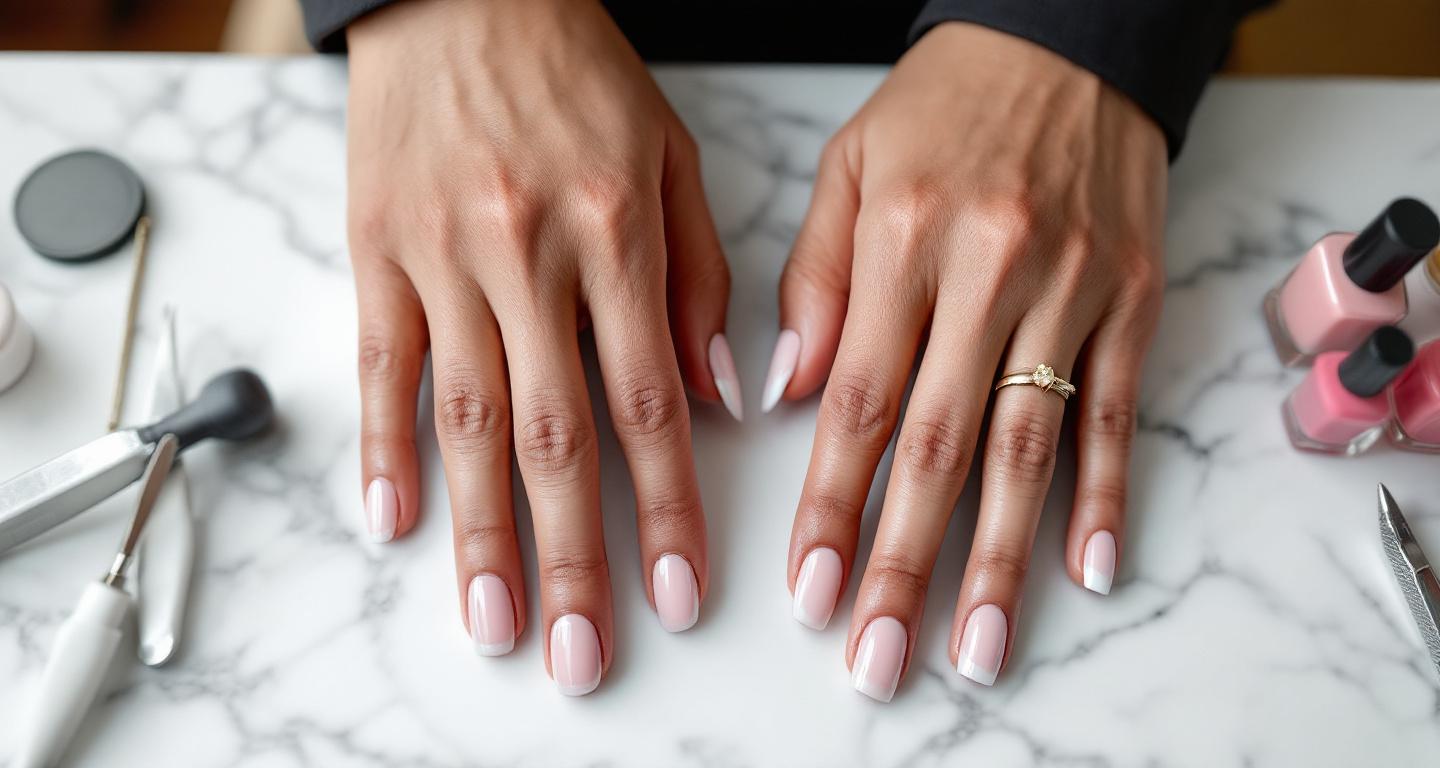
Acrylic nails offer maximum durability and length but can damage natural nails, while silk wraps provide a more natural look with less damage but require more frequent maintenance. Your choice depends on your lifestyle, budget, and nail health priorities.
What Are Acrylic Nails?
Acrylic nails are created by combining liquid monomer with polymer powder to form a hard, protective layer over your natural nails. This chemical reaction creates a durable plastic coating that can be shaped, filed, and painted. The process involves applying the mixture to your nail bed and extending it beyond your natural nail tip to create length. Acrylics have been the gold standard in nail enhancements since the 1970s, beloved for their strength and versatility. They can withstand significant wear and tear, making them ideal for people with active lifestyles or those who struggle with weak, brittle natural nails. The application process typically takes 60-90 minutes and requires skill to achieve a natural-looking result.
What Are Silk Wrapped Nails?
Silk wrapped nails use pieces of silk fabric adhered to the natural nail with resin or glue to create strength and length. This technique originated in the 1980s as a gentler alternative to acrylics. The silk material is cut to fit each nail, applied with adhesive, and then sealed with multiple coats of resin for durability. Unlike acrylics, silk wraps work with your natural nail rather than creating an entirely new surface. They're particularly effective for repairing broken nails or adding modest length. The silk fibers provide reinforcement while maintaining flexibility, resulting in a more natural feel. Many clients prefer silk wraps because they're lighter on the nail and create a more believable appearance, especially when kept at shorter lengths.
Durability: Which Lasts Longer?
When it comes to longevity, there's a clear winner, but durability depends on several factors:
- Acrylic nails typically last 6-8 weeks before requiring a fill, making them the more durable option for heavy use
- Silk wraps generally need maintenance every 2-3 weeks and complete replacement every 4-6 weeks
- Acrylics resist chipping, cracking, and breaking better than silk wraps, especially with longer lengths
- Silk wraps are more prone to lifting and damage from water exposure and daily activities
- Both options require professional maintenance to prevent damage to natural nails underneath
How Do Application Processes Differ?
The application processes for acrylics and silk wraps vary significantly in technique, time, and complexity. Acrylic application involves roughing up the natural nail surface, applying primer, and then building layers of the acrylic mixture. Each nail is sculpted individually, requiring the technician to work quickly before the mixture hardens. The process includes shaping, buffing, and polishing, typically taking 90 minutes or more. Silk wrap application is gentler, starting with minimal nail preparation. The silk pieces are cut to size, applied with adhesive, trimmed, and sealed with resin coats. This process is generally faster, taking 60-75 minutes, and creates less dust and chemical odor. Both techniques require skilled professionals, but silk wraps are considered more forgiving for beginners learning nail enhancement techniques.
What's the Cost Comparison?
Understanding the financial commitment helps you budget for your nail enhancement choice:
- Initial acrylic set ranges from $35-$80 depending on salon location and nail length desired
- Silk wrap application typically costs $40-$90 initially, often slightly more than acrylics due to material costs
- Acrylic fills every 2-3 weeks cost $20-$40, making long-term maintenance more affordable
- Silk wrap maintenance every 2 weeks ranges from $25-$45, potentially costing more over time
- Factor in removal costs ($10-$20) when switching between enhancement types or taking breaks
Which Is Better for Nail Health?
Nail health considerations often determine which enhancement option is most suitable for long-term wear. Silk wraps are generally considered less damaging because they don't require aggressive buffing of the natural nail surface. The application process preserves more of your natural nail thickness, and the flexibility of silk allows some natural movement. However, the frequent maintenance required can lead to more chemical exposure over time. Acrylics require more aggressive preparation, including significant buffing that removes layers of natural nail. The rigid structure can cause stress points where the natural nail meets the enhancement. However, when properly applied and maintained, acrylics can actually protect weak nails from breaking. Both options require breaks between applications to allow natural nails to recover and strengthen.
Who Should Choose Acrylic Nails?
Acrylic nails are ideal for specific lifestyles and preferences:
- People who want dramatic length and aren't concerned about a completely natural appearance
- Those with very weak or damaged natural nails who need maximum protection
- Individuals who prefer less frequent salon visits and longer-lasting results
- Anyone who regularly uses their hands for physical work or activities
- Clients who want bold nail art designs that require a strong, stable base
Who Should Choose Silk Wrapped Nails?
Silk wraps work best for clients with these priorities:
- Those seeking a natural appearance with modest length enhancement
- People with sensitive nails who want a gentler enhancement option
- Clients who prefer a lightweight feel and natural nail movement
- Anyone repairing one or two broken nails rather than enhancing all ten
- Individuals who don't mind more frequent maintenance visits for optimal results
How Do You Maintain Each Type?
Proper maintenance extends the life of both enhancement types and protects your natural nails. Acrylic maintenance involves regular fills every 2-3 weeks to address growth and prevent lifting. Daily care includes moisturizing cuticles, avoiding using nails as tools, and wearing gloves during cleaning. Acrylics can handle most daily activities but may crack under extreme pressure. Silk wrap maintenance requires more frequent attention, with professional touch-ups every 2 weeks. The delicate nature of silk wraps means avoiding prolonged water exposure and being gentler during daily activities. Both enhancement types benefit from cuticle oil application, proper filing techniques, and prompt professional repair of any damage to prevent further issues.
Can You Switch Between Types?
Switching between acrylic and silk wrap enhancements is possible but requires careful consideration and professional handling. Moving from acrylics to silk wraps typically requires complete removal and a recovery period for your natural nails. The buffing damage from acrylic preparation may make silk wrap adhesion less effective initially. Switching from silk wraps to acrylics is generally easier since less damage has occurred to the natural nail surface. However, any enhancement switch should include a consultation with your nail technician to assess nail health and determine the best transition approach. Some clients alternate between enhancement types seasonally, using acrylics during busy periods when durability matters most, and silk wraps when they prefer a more natural look and feel.
Frequently Asked Questions
Do acrylic or silk wrapped nails damage your natural nails more?
Acrylics typically cause more initial damage due to aggressive nail buffing during application. However, silk wraps require more frequent maintenance, potentially leading to cumulative chemical exposure over time.
Which nail enhancement looks more natural?
Silk wrapped nails look more natural because they're thinner, more flexible, and work with your natural nail rather than creating an entirely artificial surface like acrylics do.
How long do silk wraps vs acrylics actually last?
Acrylics last 6-8 weeks between fills, while silk wraps need maintenance every 2-3 weeks and complete replacement every 4-6 weeks, making acrylics more durable overall.
Can you do nail art on both acrylic and silk wrapped nails?
Yes, but acrylics provide a better base for elaborate nail art due to their thickness and durability. Silk wraps work better with simple designs and lighter decoration.
Which costs more in the long run - acrylics or silk wraps?
Silk wraps often cost more long-term due to more frequent maintenance visits every 2 weeks compared to acrylic fills every 2-3 weeks, despite similar initial application costs.
Are there any alternatives to acrylic and silk wrap nails?
Yes, alternatives include gel extensions, dip powder nails, fiberglass wraps, and press-on nails. Each has different benefits for durability, appearance, and nail health considerations.
Find a Trusted Nail Technician
The key to beautiful, healthy enhanced nails is finding a skilled, licensed nail technician who prioritizes sanitation and nail health. Rather than guessing which salons are reputable, tools like Linked By Six show you which nail salons your friends and colleagues already trust—see your connections before you search. This way, you can book with confidence knowing others in your network have had positive experiences.
Choosing between acrylic and silk wrapped nails ultimately depends on your lifestyle, budget, and nail health priorities. Acrylics offer maximum durability and dramatic results but require more aggressive application and can cause more damage to natural nails. Silk wraps provide a gentler, more natural-looking option but need more frequent maintenance and aren't as durable for active lifestyles. Consider your daily activities, desired appearance, maintenance preferences, and long-term nail health goals when making your decision. Regardless of which enhancement you choose, working with a skilled, licensed nail technician is essential for achieving beautiful results while protecting your natural nail health. Remember that both options require commitment to proper maintenance and occasional breaks to allow your natural nails to recover and strengthen.